



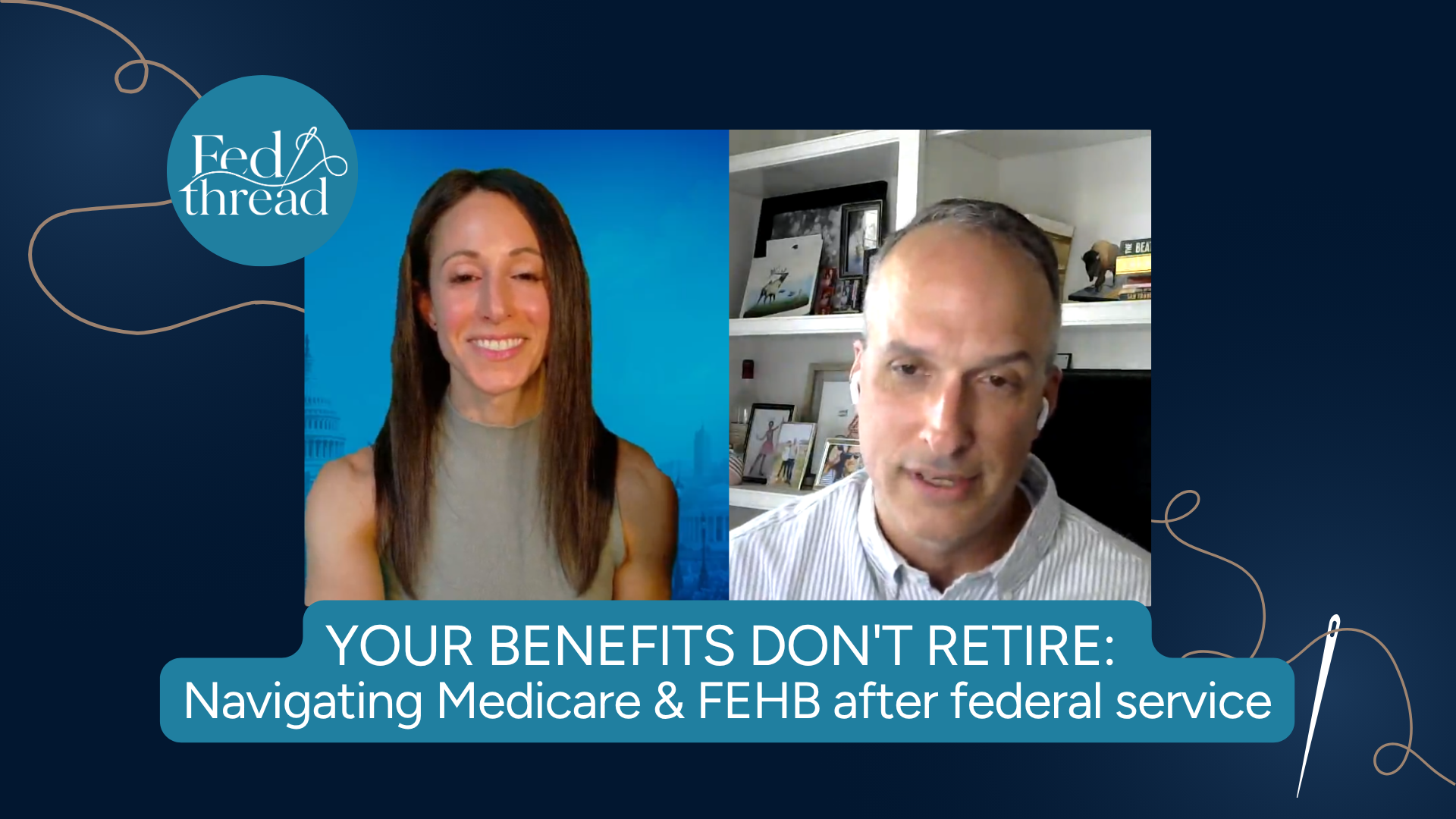
**Navigating Medicare Decisions in Retirement: A Federal Employee’s Guide**
The transition into retirement brings numerous changes for federal employees, particularly regarding healthcare. While many spend years carefully selecting the right Federal Employees Health Benefits (FEHB) plan, retirement introduces a new layer of complexity, primarily centered around Medicare. According to Kevin Moss, Director of Decision Support and Consumer Outreach at Consumer’s Checkbook, the decisions don’t get easier; they evolve.
A recent episode of the *Fed Thread* podcast delved into the intricacies of healthcare for retirees, highlighting how retirement affects more than just your paycheck and why the choice regarding Medicare Part B is often the most significant.
### Retirement Affects More Than Your Paycheck
One of the biggest surprises for new retirees isn’t the Medicare system itself, but rather the shift in tax implications for healthcare. While employed, federal workers benefit from several tax advantages that lower their healthcare costs. These advantages largely disappear upon retirement. For instance, retirees can no longer pay their FEHB premiums with pre-tax dollars. Flexible Spending Accounts (FSAs) are eliminated as they are tied to payroll deductions, and the structure of Health Savings Accounts (HSAs) changes significantly. If you were enrolled in a high-deductible health plan, your HSA becomes a Health Reimbursement Arrangement (HRA), which restricts how you can use and grow those funds. These changes can make healthcare feel substantially more expensive even before Medicare is factored in.
### The Biggest Retirement Decision Isn’t Medicare Itself, It’s Part B
Although Medicare is composed of Parts A through D, Moss identifies one component that generates more questions than any other: whether to enroll in Medicare Part B. Part A is generally premium-free for individuals who have paid Medicare taxes for at least 10 years. In contrast, Part B requires a monthly premium in addition to any existing FEHB coverage. This raises a common question for retirees: why pay for two health plans?
The answer, as Moss explains, is highly dependent on individual priorities. Enrolling in Part B can dramatically reduce out-of-pocket medical costs, expand provider access, and open the door to Medicare Advantage options that may reimburse a portion of the Part B premium. For many retirees, the value extends beyond pure numbers; it provides “peace of mind.” The knowledge that you are protected against catastrophic medical bills holds real value, even if it doesn’t show a positive balance on a financial statement.
### Waiting Can Be Expensive
Timing is a critical factor in the Medicare equation. For federal employees who continue working past the age of 65, there is generally no need to rush into Medicare. Your FEHB plan remains the primary insurance, and you will qualify for a Special Enrollment Period after retirement without incurring late penalties.
However, the situation is different for those who retire before age 65. Once you become eligible for Medicare, delaying Part B enrollment beyond the initial window can result in steep late-enrollment penalties. These penalties increase for every year you wait and, importantly, they never go away. This means the costs can add up dramatically over the lifetime of your Medicare coverage. Understanding your deadlines well before retirement is crucial to prevent an expensive and irreversible mistake.
### Medicare Advantage Isn’t Just for Private-Sector Retirees
Medicare Advantage (Part C) has become increasingly popular among federal retirees, though often for reasons many people don’t initially consider. Within the FEHB framework, certain plans now offer Medicare Advantage options that can significantly lower overall healthcare costs. These plans typically combine:
* Partial reimbursement of Medicare Part B premiums.
* Minimal out-of-pocket medical expenses.
* Additional benefits like over-the-counter allowances and wellness programs.
The savings can amount to thousands of dollars annually for some retirees. However, Moss cautions that lower costs come with tradeoffs. Medicare Advantage plans often rely more heavily on prior authorization, meaning some services require plan approval before treatment. While most requests are ultimately approved, the process can delay care or create additional administrative hurdles.
A key advantage for federal retirees is the flexibility that FEHB provides. If a Medicare Advantage arrangement no longer meets your needs, you can generally opt back into your traditional FEHB coverage. This allows you to try Part C without closing the door on a solid fallback option.
### Prescription Drug Coverage Has Changed, Too
For years, Medicare Part D wasn’t a major focus for most federal retirees, as FEHB prescription drug benefits were considered robust. Recent reforms have changed this landscape. Many FEHB carriers now offer integrated Medicare Part D prescription plans. These plans cap annual out-of-pocket drug costs while preserving the coverage federal employees are accustomed to, including access to high-cost medications that could otherwise create significant financial exposure.
For retirees relying on expensive specialty drugs, these changes can substantially reduce annual prescription costs. Exceptions exist, however, for individuals living overseas, those using manufacturer discount programs, or those subject to Medicare’s income-related surcharges, for whom Part D may not be the right fit.
### Every Open Season Is Still Homework
If there was one central theme from the conversation with Moss, it was the importance of not assuming that this year’s best health plan will remain the best choice next year. Premiums change, provider networks shift, prescription formularies evolve, and new Medicare Advantage offerings appear while existing benefits change annually.
The advice for active employees still holds true in retirement: review your options every Open Season. The plan that has saved you money for years may no longer be your best value. For federal retirees, retirement doesn’t end complex healthcare decisions; it’s simply when new ones begin.
—
### FAQ Section
**Q: Why is Medicare Part B the biggest decision for retirees?**
**A:** While Part A is often free, Part B requires a monthly premium but is essential for reducing out-of-pocket costs and expanding access to care. The decision hinges on balancing the premium cost against the financial protection and peace of mind it provides.
**Q: Can I wait to enroll in Medicare Part B if I retire before age 65?**
**A:** It is not recommended. Delaying enrollment past the initial window triggers permanent late-enrollment penalties that increase each year you wait, adding up over the lifetime of your coverage.
**Q: What is the advantage of a Medicare Advantage plan for a federal retiree?**
**A:** These plans can significantly lower overall healthcare costs by combining partial reimbursement of Part B premiums, minimal out-of-pocket expenses, and additional wellness benefits, potentially saving thousands of dollars annually.
**Q: Can I switch back to traditional FEHB from a Medicare Advantage plan?**
**A:** Yes, one of the key benefits for federal retirees is the flexibility to switch back to their traditional FEHB coverage if the Medicare Advantage plan no longer meets their needs.
**Q: Do I still need to review my health plan after retirement?**
**A:** Absolutely. Just like for active employees, reviewing your options during Open Season is critical. Premiums, networks, and formularies change, and the best plan one year may not be the best the next.
### Conclusion
Retirement marks a new chapter in a federal employee’s life, and with it comes a new set of critical healthcare decisions. While the FEHB plan provides a strong foundation, navigating Medicare Part B, understanding the long-term costs of waiting, and evaluating the tradeoffs of Medicare Advantage are essential steps. By staying informed and actively reviewing options during Open Season, retirees can ensure they make the most efficient and beneficial choices for their healthcare needs, turning a complex process into a manageable one.
