



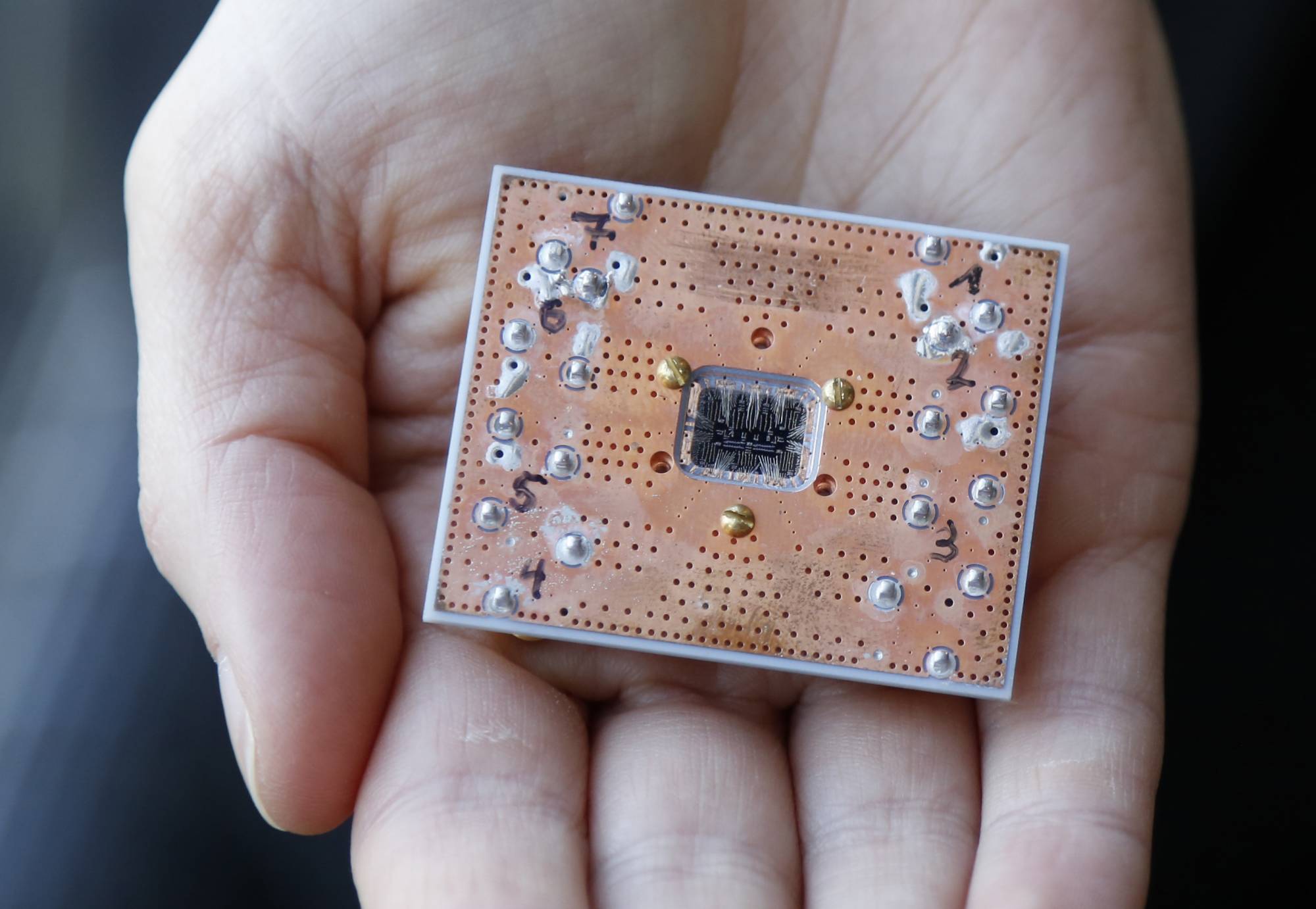
The affect of quantum computing requires greater than technical upgrades — it calls for coordination throughout federal networks.
Whereas quantum computing was as soon as seen as a distant concern, current technological advances have made it clear that the chance is changing into more and more actual. As federal companies proceed modernizing IT techniques and purposes, many nonetheless depend on legacy encryption that won’t face up to future quantum assaults.
Federal expertise environments are sometimes formed by insurance policies and architectures deliberate years upfront. Techniques designed six or seven years in the past have been constructed to fulfill the safety necessities of that point, not rising priorities corresponding to zero belief or quantum-resilient encryption. As a result of delicate authorities information should stay safe for many years, companies should start making ready quantum-safe techniques now.
Quantum danger is now not only a future concern; it has turn out to be a planning problem that have to be addressed as a part of present modernization efforts.
The danger of inaction
At present, delicate info is secured by cryptographic algorithms corresponding to Rivest-Shamir-Adleman (RSA), Superior Encryption Customary (AES) and elliptic curve cryptography (ECC), which shield how information is saved and shared between companies. Nevertheless, advances in quantum computing threaten these protections. Quantum techniques might finally clear up the mathematical issues that conventional encryption depends on, rendering present safety requirements out of date.
Whereas quantum computer systems aren’t but extensively obtainable, governments and analysis establishments are actively creating them. This actuality forces companies to imagine that adversaries could already possess encrypted authorities information and are ready till quantum computer systems are highly effective sufficient to decrypt it. This “harvest now, decrypt later” state of affairs underscores why making ready quantum-safe techniques can not wait.
When organizations reconstruct their safety techniques, they have to be certain that information stays protected by quantum-safe encryption so it can’t be accessed sooner or later. The problem is important: Techniques constructed immediately with out quantum-ready architectures danger accumulating severe technical debt.
When encryption is hardcoded into software program, updating it turns into expensive and complex. That is the place crypto-agility issues. Crypto-agility isn’t merely swapping algorithms; it requires an structure constructed for change from the bottom up. With out this flexibility, companies could discover themselves pressured to interchange whole techniques, rewriting software program and redesigning networks from scratch.
That is each a safety danger and a mission danger. If a community is compromised, it may possibly create a ripple impact, inflicting different companies to sever connections to guard themselves. A quantum breach might undermine belief between federal networks and disrupt important operations if techniques have to be taken offline. Failing to organize might finally result in mission disruption.
Crypto-agility: The muse of modernization
Companies can not depend on outdated safety techniques that stay unchanged and weak to quantum computing. As cyber threats evolve, companies should concentrate on constructing techniques which can be architecturally ready with crypto-agility.
Crypto-agility refers back to the capability to shift between completely different cryptographic algorithms when wanted. Companies should have the ability to change encryption strategies with out rebuilding whole techniques, a functionality that has turn out to be important to federal modernization.
Crypto-agility isn’t solely concerning the algorithms themselves; it additionally is determined by community structure, {hardware} and total infrastructure that enable techniques to adapt as cryptographic requirements evolve. A very powerful issue is guaranteeing that the structure itself helps this flexibility.
Trendy techniques ought to be designed to:
- Assist classical cryptography (corresponding to RSA) whereas permitting post-quantum algorithms to function concurrently throughout a transition interval.
- Keep away from hardcoded, rigid configurations.
- Allow adaptation as safety applied sciences and necessities proceed to vary.
Organizations that prioritize crypto-agility immediately shall be higher positioned to undertake post-quantum cryptography (PQC) requirements with out expensive system overhauls.
Making ready for a quantum-resilient future
Making ready for a quantum-resilient future begins with understanding the present cryptographic setting. Federal companies should:
- Conduct complete inventories: Determine present techniques, decide who manages them, and assess which purposes depend on present cryptographic strategies.
- Assess publicity: Perceive which areas can be most affected by a transition to PQC.
- Prioritize transitions: Focus first on techniques defending essentially the most delicate information.
- Construct collaborative partnerships: Interact analysis establishments, expertise firms and business specialists to watch quantum computing developments and guarantee preparedness.
The affect of quantum computing requires greater than technical upgrades — it calls for coordination throughout federal networks. As encryption requirements evolve and quantum computing capabilities develop, companies should prioritize crypto-agility and proactively consider the safety modifications wanted to keep up belief throughout federal techniques and stay ready for future cybersecurity threats.
Dr. Tim Robinson is principal options architect for the Division of Protection and intelligence neighborhood at World Extensive Expertise.
Copyright
© 2026 Federal Information Community. All rights reserved. This web site isn’t meant for customers situated throughout the European Financial Space.
