



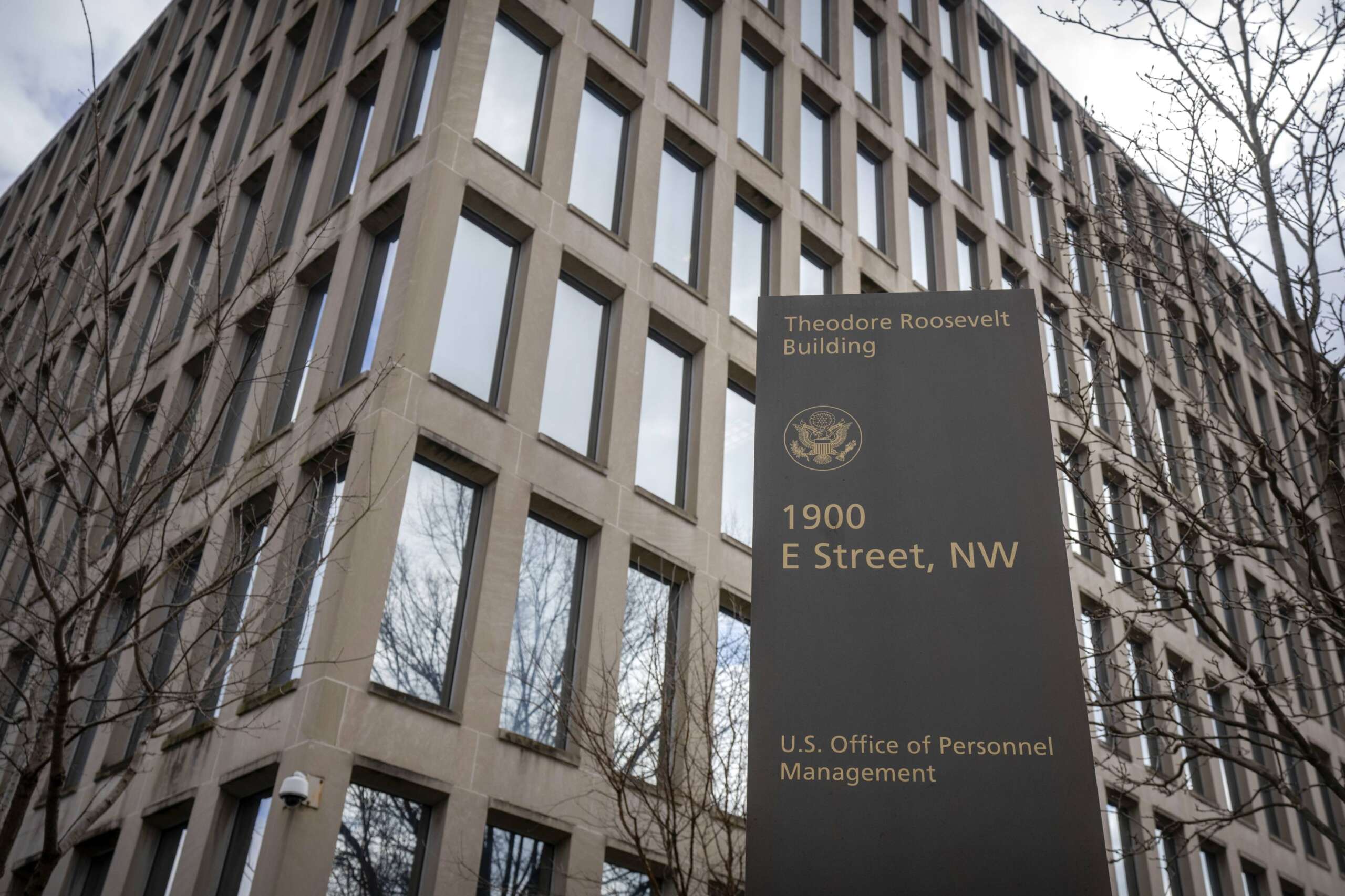
# Federal Agencies Take Helm of Employee Engagement Survey for First Time Amid Sweeping Reform
Federal agencies now have only a handful of months remaining before the end-of-year deadline to gather employee feedback through a redesigned engagement survey — and for the vast majority, this will mark the first time they are responsible for creating and distributing the survey entirely on their own.
The shift represents one of the most significant overhauls to the governmentwide employee engagement process in over two decades. Historically, the Office of Personnel Management has designed, administered, and analyzed the Federal Employee Viewpoint Survey for the entire federal workforce. That arrangement is changing as OPM transitions ownership of the survey to individual agencies, giving each organization the authority to tailor its approach, timeline, and methodology.
## A New Era of Agency-Led Feedback
Under the new framework, agencies retain flexibility in how they structure their surveys, as long as the instruments include all mandated core elements. OPM has encouraged agencies to leverage existing infrastructure and avoid outsourcing to third-party vendors, noting that many agencies already conduct internal pulse surveys or touchpoint assessments throughout the employee lifecycle.
“We want this to be a regular, ongoing practice among agencies rather than a once-a-year checkbox,” said a senior agency official involved in the planning. “The goal is to drive actionable changes in behavior and help managers understand what their teams truly need.”
## Controversial Changes to Required Questions
Alongside decentralization, OPM has proposed significant revisions to the set of core questions every agency must include. The updated requirements would introduce two new survey items focused on identifying and addressing poor performer accountability. At the same time, several previously mandated questions — including those about employee workload, overall job satisfaction, and whether workers would recommend their agency as a desirable place to work — would be removed from the baseline.
The proposed changes have drawn sharp criticism from workforce policy analysts. Some argue that eliminating questions about job satisfaction and organizational referral undermines the fundamental purpose of an engagement survey.
“How do you measure satisfaction without asking people if they are satisfied?” asked one expert familiar with the revisions. “If you want to know whether your workforce thinks the organization is a good place to work, you have to ask. Removing those questions makes it harder to benchmark agencies or track progress over time.”
## Concerns About Agency Readiness
While some welcomed the move as a long-overdue modernization, others expressed serious doubts about whether agencies are equipped to pull off a credible survey in such a compressed timeframe. Federal human resources offices have faced mounting pressures in recent years, including staffing reductions, deferred resignation programs, and workforce downsizing. Many HR analytics teams that once maintained the institutional knowledge needed for robust survey design have been significantly diminished.
“Some agencies have been building internal survey capabilities for years and are well-positioned to take this on,” said one workforce consultant. “But there is a large group of agencies that simply do not have the expertise or infrastructure to do this well. I worry the first year will be bumpy.”
The consultant recommended that agencies focus on the most critical questions tied to organizational priorities rather than trying to build an exhaustive survey from scratch within a few months. “If there is no real strategy behind what you are asking, you risk doing more harm than good,” the consultant added.
## OPM Supports the Transition with Playbook and Resources
To assist agencies in the transition, OPM recently published an employee survey playbook outlining a roughly three-month process for planning, launching, and reviewing an engagement survey. The guide is designed to help agencies compress timelines where possible and make use of existing technology and survey tools.
OPM Director Scott Kupor has also championed the idea of more frequent pulse surveys, citing the agency’s own quarterly internal assessment as a model. The pulse survey measures whether employees understand how their work connects to organizational goals, whether accountability and performance differentiation are strong, and whether the agency’s cultural values are being upheld.
Kupor emphasized that the information gathered from employee feedback is invaluable for leadership, even if the questions themselves are not complex. “You want to know if people understand the mission, if they feel supported by their managers, and if the organization is helping them grow,” Kupor said. “That is not complicated, but it is deeply valuable.”
## Potential Divide Between Agencies
Workforce experts caution that the transition could deepen the gap between agencies that have strong internal engagement strategies and those that do not. Agencies that relied heavily on the governmentwide survey and lacked the resources to develop their own feedback mechanisms may find it particularly difficult to adapt.
“The risk is real that some agencies will not be able to conduct a meaningful survey this year at all,” said one policy analyst. “Without a baseline from the governmentwide survey, there will be less ability to compare agency performance or hold underperforming organizations accountable.”
Others remain cautiously optimistic, noting that the decentralization could ultimately lead to more relevant, actionable data if agencies invest properly in the process.
## Looking Ahead
As agencies race to meet the year-end deadline, much will depend on whether OPM provides enough guidance and support to ensure a successful first year of agency-led surveys. The outcome of this transition will likely shape the future of federal employee engagement for years to come.
While challenges remain, many believe the shift toward agency-specific surveys is a step in the right direction — provided agencies can navigate the logistical and resource hurdles that stand in their way.
—
## Frequently Asked Questions (FAQ)
**Q: What is the Federal Employee Viewpoint Survey?**
A: The Federal Employee Viewpoint Survey is a governmentwide employee engagement instrument that has been administered for over 20 years to measure how federal workers feel about their jobs, their agencies, and the federal workforce as a whole.
**Q: Why is the survey being decentralized?**
A: The decision to move survey creation and distribution to individual agencies stems from OPM’s belief that agency-specific feedback will yield more relevant, actionable insights tailored to each organization’s unique needs and workforce dynamics.
**Q: What changes are being made to the required survey questions?**
A: OPM plans to add two new questions focused on poor performer accountability while removing questions related to employee workload, overall job satisfaction, and whether employees would recommend their agency as a good place to work.
**Q: Do agencies need to hire outside vendors to conduct the survey?**
A: No. OPM has stated that agencies should not need to procure outside vendors and should instead leverage existing internal infrastructure and survey tools.
**Q: What is a pulse survey?**
A: A pulse survey is a shorter, more frequent employee feedback tool — often conducted quarterly — that tracks employee sentiment on key workplace issues in real time, as opposed to a comprehensive annual survey.
**Q: What concerns have experts raised about the transition?**
A: Experts have raised concerns about staffing shortages in HR offices, compressed timelines, the loss of standardized benchmarks, and the risk that agencies without established survey capabilities will struggle to produce meaningful results.
**Q: Will the survey still be required for all federal agencies?**
A: Yes. Agencies are expected to distribute their engagement surveys before the end of the calendar year, though they have flexibility in how they approach the process.
—
## Conclusion
The decentralization of the federal employee engagement survey marks a pivotal shift in how the government measures and responds to workforce needs. By handing the reins to individual agencies, OPM aims to create more relevant, timely, and actionable feedback loops between employees and leadership. However, the success of this initiative will hinge on whether agencies — many of which have faced significant resource constraints — can rise to the challenge and deliver surveys that truly reflect the voices of their workforce. The first year will be telling, and lessons learned will likely shape the future of federal employee engagement for years to come.
Thank you for reading
