



**OPM’s Workforce Challenge: A Cautionary Tale from the Frontlines**
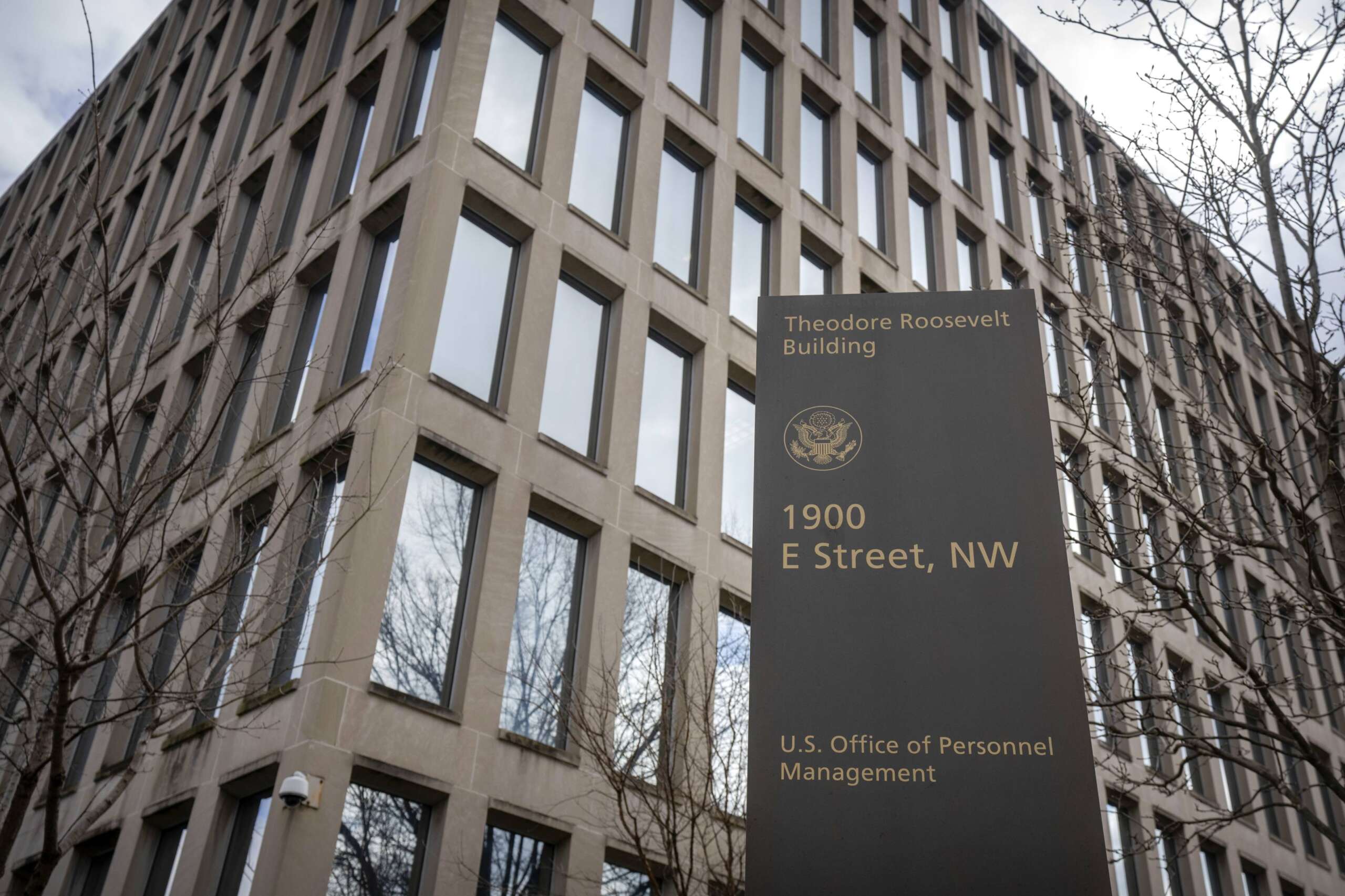
A recent analysis by the Government Accountability Office (GAO) has turned OPM, the very agency tasked with managing the federal workforce, into a compelling case study on the complexities of federal workforce transformation. The findings reveal a startling paradox: while OPM has been a primary driver of change across the federal government, it has simultaneously undergone a severe contraction of its own workforce. Between December 2024 and March 2026, the agency lost a staggering 34% of its personnel, a rate of decline significantly higher than the overall 11% drop seen across the federal workforce. This massive reduction, amounting to over 1,000 employees, raises serious questions about the sustainability and strategic execution of the government’s broader workforce policies.
The data paints a particularly concerning picture when viewed through the lens of demographics. The exodus was not evenly distributed; it disproportionately impacted two critical segments of the workforce. On one end of the spectrum, nearly 60% of employees over the age of 60 departed, taking with them a vast reservoir of institutional knowledge and experience that is nearly impossible to replicate. On the other end, the agency saw a 40% reduction in staff under the age of 30, decapating the very pipeline of young talent that the administration has publicly prioritized for building a modern, dynamic government. This trend was not isolated to OPM but was part of a widespread federal downsizing.
The concern, however, extends far beyond the raw numbers. According to Dawn Locke, a director at the GAO’s strategic issues team, the core issue is whether OPM can still fulfill its mission amid this upheaval. OPM is not a back-office administrative unit; it is a customer-facing organization responsible for critical functions like federal hiring, classification, and retirement. With its operational capacity weakened, the repercussions will be felt across the entire government ecosystem, impacting every agency that interacts with OPM and the federal employees who rely on its services. Compounding this challenge is the fact that OPM is simultaneously consolidating more responsibility into specific units, such as the Merit System Accountability and Compliance shop, which saw a 41% reduction in its full-time equivalent staff, even as it is expected to process a growing volume of merit system claims.
Adding another layer of complexity is the stated reliance on technology. In the wake of such dramatic cuts, agency leadership often points to Artificial Intelligence (AI) as a panacea for managing workloads. While AI holds potential, the GAO offers a critical caution. AI is not a plug-and-play solution that can be rapidly deployed. It requires a skilled and knowledgeable workforce to manage it, identify its errors (“hallucinations”), and ensure it doesn’t make critical mistakes. Furthermore, machines cannot be held accountable for their decisions, a vital consideration for an agency that must make millions of high-stakes choices daily. For OPM, where workforce challenges have been a persistent risk area identified by the GAO for years, AI is a tool, not a silver bullet.
As Congress looks to evaluate the success of these aggressive workforce reduction policies, the GAO emphasizes the need for concrete evidence. Key documents known as agency RIF (Reduction in Force) and reorganization plans are essential for understanding the true cost savings and mission impact of the changes. Without this transparency and detailed planning, it is impossible to determine if the sacrifices are leading to a more efficient and effective government or if they are creating dangerous vulnerabilities in the federal system. The case of OPM serves as a powerful reminder that managing a federal workforce is not just about cutting headcount, but about preserving the essential knowledge, skills, and capabilities required for the government to function.
### FAQ
**Q: What was the percentage of workforce reduction at OPM compared to the federal government average?**
**A:** OPM experienced a workforce decline of 34%, which is significantly higher than the federal government average decline of approximately 11%.
**Q: Which demographic groups were most affected by the workforce reductions at OPM?**
**A:** The reductions disproportionately affected two groups: employees over the age of 60, who accounted for nearly 60% of separations and took institutional knowledge with them, and employees under the age of 30, who made up 40% of those let go and represented a key talent pipeline.
**Q: What specific information did the GAO request from OPM that was not fully provided?**
**A:** The GAO requested several key documents, including strategic workforce plans, staffing plans, and the agency’s RIF (Reduction in Force) and reorganization plan, which outlines how workforce reductions impact the mission and potential cost savings. OPM was unable to provide these documents, though it did supply some requested information later.
**Q: How does the GAO describe the “strategic balance” of OPM’s workforce changes?**
**A:** From the outside, it looks “out of whack.” The GAO finds it difficult to understand how OPM can drastically reduce certain offices while simultaneously increasing the responsibilities of those same offices, particularly in areas like reviewing merit system claims. This imbalance highlights a lack of clarity on how the agency will strategically manage its remaining staff.
**Q: What does the GAO suggest Congress should demand to evaluate the success of workforce reductions?**
**A:** Congress should demand to see the agency’s RIF and reorganization plans. These documents are critical for understanding the actual impact of workforce reductions on mission delivery and for verifying any claimed cost savings.
**Q: What is the GAO’s stance on using AI to solve OPM’s staffing challenges?**
**A:** The GAO is skeptical of AI as a quick fix. They caution that AI requires a skilled workforce to manage and can make errors. More importantly, since machines cannot be held accountable for their decisions, human oversight is critical, especially for the high-stakes decisions OPM is required to make. AI is a potential aid, not a complete solution.
### Conclusion
The GAO’s analysis of OPM’s dramatic workforce reduction serves as a stark warning. It demonstrates that indiscriminate headcount cuts can undermine the very mission of an agency and erode essential institutional knowledge. The disproportionate impact on senior and junior employees creates a dual risk of losing both experienced leadership and future innovation. As the federal government continues to navigate workforce challenges, the OPM case underscores the necessity of strategic planning, transparency, and a focus on preserving capability over simply reducing numbers. The effectiveness of future workforce policies will depend on a thoughtful balance between fiscal responsibility and the fundamental need for a skilled and stable public service.
