



**Japan’s Fiscal Gamble: Betting on Domestic Assets Amid Monetary Tightening**
Japan is at a critical economic crossroads as its government and central bank pursue sharply contrasting policies. Finance Minister Satsuki Katayama has called on the Government Pension Investment Fund (GPIF) and other public funds to increase their holdings of domestic assets. This move aims to bolster bonds and stabilize the yen while the Bank of Japan (BOJ) actively tightens monetary policy by raising interest rates and reducing bond purchases.
**A Deliberate Policy Split**
The GPIF, managing approximately $1.8 trillion, is the world’s largest pension fund. Nearly half of its assets are currently allocated to foreign stocks and bonds, meaning even a modest shift toward domestic holdings could significantly influence global markets. This push follows earlier demands from Japanese lawmakers for increased home investment.
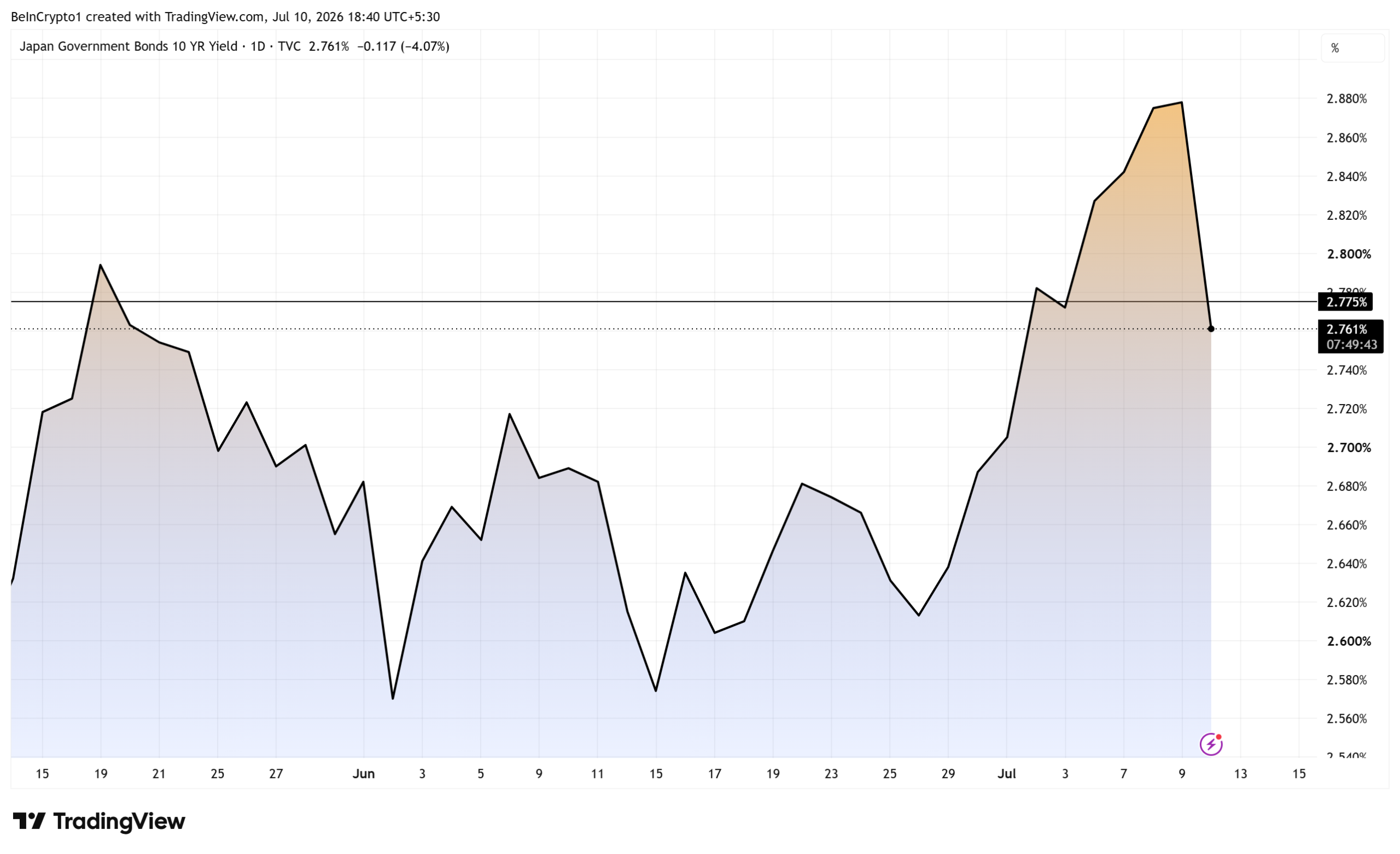
The announcement initially triggered inflation concerns, with producer prices rising 7.1% in June, up from 6.6% in May. Sectors driving this increase included oil, electricity, and plastics. Typically, rising inflation leads to higher bond yields; however, the 10-year Japanese government bond yield fell by 10 basis points to 2.775% following the pension fund news.
In contrast, the BOJ has continued its tightening cycle, lifting its policy rate to 1%—the highest level since 1995—and steadily reducing its bond holdings. Prime Minister Sanae Takaichi’s administration is simultaneously planning consumption tax cuts and cash handouts funded by new debt. This mix of fiscal expansion and monetary tightening has created a rare and potentially volatile policy dynamic.
> “Japan is now tightening policy, shrinking its balance sheet, and expanding fiscal spending, all at the same time. This has never happened before,” noted analyst Bull Theory.
**Historical Warnings: When Fiscal Dominance Clashes with Monetary Tightening**
The combination of aggressive fiscal stimulus and monetary tightening is not without precedent—and history offers sobering lessons. In September 2022, the UK’s £45 billion mini-budget arrived while the Bank of England was hiking rates. The result: the 30-year gilt yield surged about 120 basis points within days, triggering margin calls for leveraged pension funds and forcing the BOE to intervene. The crisis led to the resignation of Prime Minister Liz Truss after just 49 days.
Turkey offers a slower but equally cautionary tale. President Recep Tayyip Erdoğan’s persistent pressure for lower rates, despite high inflation, resulted in a 44% currency depreciation in 2021 and peak inflation exceeding 85%.
Even the United States has faced similar challenges. The 1951 Treasury-Fed Accord ended the Fed’s post-war peg of long-term yields near 2.5%, a classic case of monetary policy breaking free from fiscal dominance.
**Why Crypto Markets Should Pay Attention**
Japan’s economic decisions carry weight far beyond its borders, particularly in digital asset markets. The yen carry trade—where investors borrow low-yield yen to fund higher-yielding foreign investments—represents a multi-trillion-dollar phenomenon. When the BOJ raised rates in July 2024, this trade reversed rapidly, causing the Nikkei 225 to plunge 12.4% in a single session and pushing Bitcoin below $50,000.
Recent data shows yen short positions reaching their highest level since 2024. Analysts warn that Japan’s bond market could destabilize the broader cheap-money environment supporting stocks and crypto. With Japan holding the developed world’s heaviest debt burden—more than double its GDP—the margin for error is slim.
The coming months will test whether Japan can absorb rising debt without triggering a shock. The outcome will depend not only on how much pension capital flows into domestic assets but also on how long the BOJ maintains its tightening stance. For markets that once overlooked Tokyo, every policy signal now matters.
—
*Source: BeInCrypto, “Japan Is Repeating a Rare Policy Experiment That Rocked UK, Turkey, and US Markets,” [https://assets.beincrypto.com](https://assets.beincrypto.com)*
