



**The Human Touch in Formula 1: Why Experience Still Wins in the AI Age**
In a sport where victory is often determined by mere fractions of a second, Formula One has become a high-tech battleground. The modern F1 team is a complex ecosystem of data scientists, engineers, and designers, all working to extract every ounce of performance from the car. However, as the sport embraces cutting-edge technologies like generative AI and agentic systems, a key message emerges from the heart of the teams: the most critical component remains the experienced human professional.
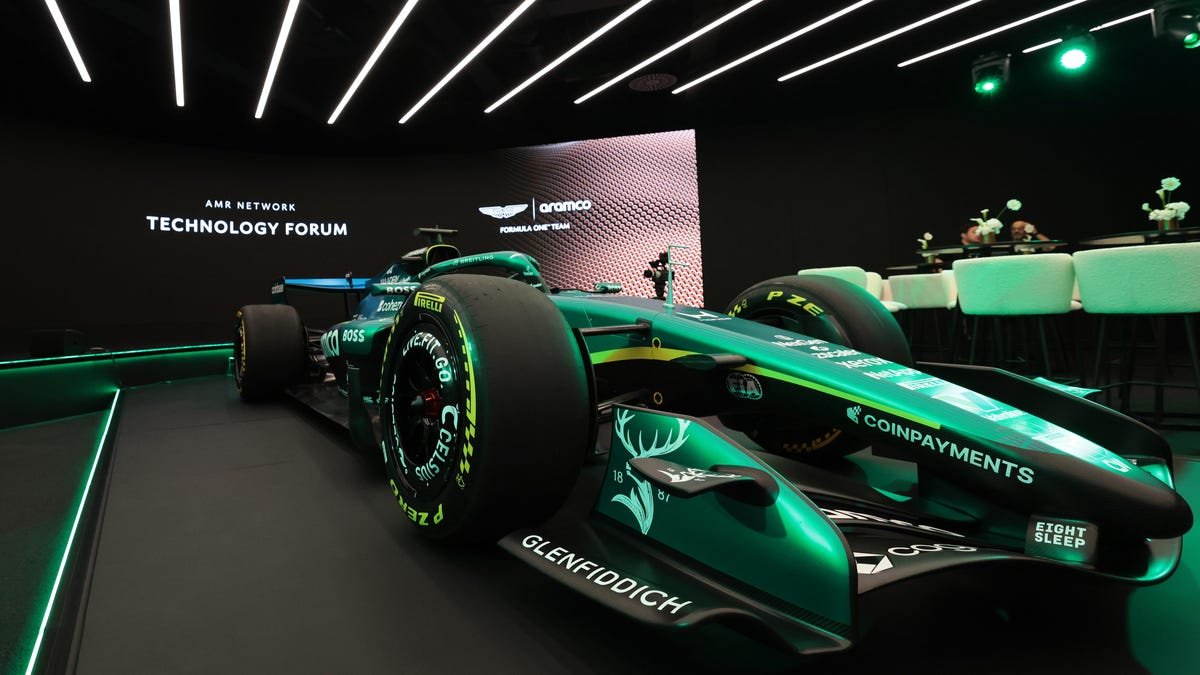
At Aston Martin Aramco F1, the approach to innovation is a perfect case study in this balance. While the team explores the potential of AI to streamline software development and optimize operations, the foundation of their success lies in the hands of world-class experts. Figures like Adrian Newey, the team’s managing technical partner, are still drawing new aerodynamic designs by hand in their offices. This “handcraft” is not a relic of the past; it is the key to unlocking value in the present.
Fabrizio Pilotti, CIO at Aston Martin Aramco F1, encapsulates this philosophy. He emphasizes a rapid, iterative process: “If an idea is good, go through the process as fast as possible, and then get all the data back for the next iteration.” This human-led, data-informed cycle is where the real performance gains are made. The role of IT is no longer just about maintaining systems; it’s about empowering these experts with the right tools and data, ensuring that the “human in the loop” is more capable than ever.
The integration of AI presents new opportunities. Partners are developing agentic technologies that can sift through telemetry, diagnostics, and simulation data to provide actionable insights. The goal is to automate the mundane, freeing up engineers to focus on high-level strategic decisions. However, the consensus is clear: AI is a powerful enabler, not a replacement for experience. The competitive edge still comes from a trusted ecosystem of professionals who understand that technology must serve human expertise. As Eric Ernst, commercial technology ambassador at Aston Martin F1, affirms, “With AI, we can’t outsource the experience. The experience is still with the team.” In an era of rapid technological change, the human judgment and decades of specialized knowledge possessed by F1 engineers are what transform data into a winning advantage.
—
### FAQ
**Q: What is the main takeaway regarding AI’s role in Formula 1?**
A: The main takeaway is that AI is a tool for empowerment, not a replacement for human expertise. Success in F1 relies on a blend of digital technology and the irreplaceable judgment of experienced professionals who guide its use.
**Q: Why is “handcraft” still relevant in a high-tech sport like Formula 1?**
A: In a marginal gain business, small, tailored modifications made by specialists can be the difference between winning and losing. Handcraft allows for precise, bespoke solutions that AI cannot yet replicate at the same level of nuanced understanding.
**Q: How do F1 teams plan to use AI agents?**
A: Teams are exploring AI agents tactically, such as applying them to the software development process and using them to improve optimization across ERP systems. The focus is on making data-led changes seamless and giving engineers immediate access to the information they need.
**Q: What is the relationship between technology partners and F1 teams?**
A: Technology partners are crucial for providing the tools and exploring new technologies like sovereign AI models. However, the trusted, in-house expertise of the F1 team remains the most critical component for turning data into performance advantages.
**Q: What does the future look like for data and IT in F1?**
A: The future is about modular flexibility. IT departments aim to create infrastructure that adapts to the team’s data requirements, allowing engineers to access data in the exact format and density they need, without delay.
—
### Conclusion
The evolution of Formula 1 serves as a powerful blueprint for any industry navigating the AI revolution. It demonstrates that technology, no matter how advanced, is most effective when it is in service of human talent. The lesson is clear: the future belongs not to those who replace humans with machines, but to those who empower humans with machines. In the high-stakes world of Formula 1, and indeed in any competitive arena, the experience, intuition, and creativity of professionals remain the ultimate differentiator. The human element is not just important; it is the winning edge.
