



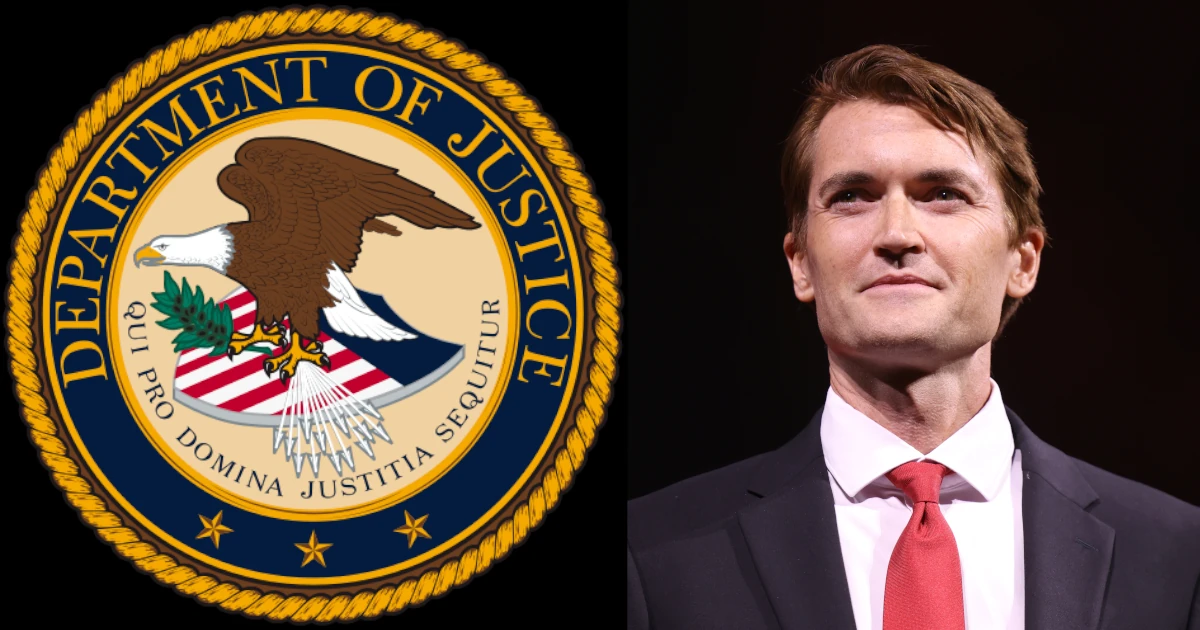
Hedge fund manager Dan Loeb has come forward with an explosive allegation: that the Department of Justice pressured President Donald Trump in the waning hours of his first term in January 2021, threatening to “come after” him if he granted clemency to Ross Ulbricht, the founder of the Bitcoin-based Silk Road marketplace. According to Loeb, Trump pulled back from the commutation as a result, leaving Ulbricht to spend another four years in prison before ultimately receiving a full pardon in January 2025 during Trump’s second term.
Loeb, who founded and runs Third Point LLC, shared the disclosure on the All-In Podcast while discussing his involvement in criminal justice reform and the push for Ulbricht’s release. “On the final day of Trump’s first presidency, we were convinced he was going to walk free,” Loeb recalled. “And the Justice Department, for whatever reason, told the president, ‘If you commute his sentence, we’re going to come after you.’ So from what I understand, he pulled the commutation.”
This marks the first time such a direct threat from the DOJ has been publicly described during the closing chapter of Trump’s initial presidency. The claim has not yet been independently verified by other outlets, and no specific DOJ official has been identified as the source of the warning. The account relies on Loeb’s recollection, which was likely passed through a network of advocates including crypto figure Riva Tez, Charlie Kirk, and then-White House counsel David Warrington.
Who Led the DOJ in January 2021
Jeffrey A. Rosen was serving as Acting Attorney General following William Barr’s departure in late December 2020. Richard Donoghue held the position of Acting Deputy Attorney General. The Office of the Pardon Attorney, the DOJ division responsible for reviewing clemency petitions and making recommendations, operated under their supervision. Presidents, Trump included, often sidestepped the OPA’s standard procedures when dealing with politically charged cases.
The alleged threat appears to have gone far beyond the kind of routine advisory input the DOJ typically provides on matters like sentencing proportionality, victim impact, or enforcement priorities. Ulbricht had been serving a double life sentence plus 40 years after his 2015 conviction on charges that included running a continuing criminal enterprise, distributing narcotics over the internet, money laundering, and computer hacking. Despite widespread speculation and media insinuations, Ulbricht was never charged with or prosecuted for any murder-for-hire-related offenses.
Silk Road, which operated primarily using Bitcoin, was one of the earliest large-scale experiments in using an alternative currency outside the traditional dollar system, making the case and its legacy deeply significant to the Bitcoin community.
A warning framed as potential retaliation against the sitting President would represent an extraordinary escalation in the already tense relationship between the executive branch and the Department of Justice over the use of clemency power. Such pushback likely reflected institutional anxieties about being perceived as lenient on major drug trafficking and money laundering cases tied to the early Bitcoin economy.
Four Lost Years and the Political Fallout
The reported DOJ intervention in the final stretch of Trump’s first presidency cost Ulbricht an additional four years of incarceration. As Loeb described it, Charlie Kirk eventually took over as the leading voice advocating for clemency. “This was the one thing he asked of the president,” Loeb said of Kirk. Kirk’s efforts helped transform Ulbricht’s release into Trump’s key promise to libertarians and the crypto community during the 2024 campaign. Trump followed through with a complete and unconditional pardon early in his second term.
In a twist of irony, the prolonged delay actually galvanized the “Free Ross” movement. What started as a clemency campaign for a case that many in Bitcoin circles saw as a symbol of government overreach grew into a powerful political force. The movement brought attention to issues like excessive sentencing, the right to self-custody, privacy tools, and opposition to the widely criticized war on drugs—all central tenets of Bitcoin’s philosophy of financial sovereignty and deeply important to the libertarian voter base. This groundswell, along with Trump’s pledge to pardon Ulbricht, is widely credited with securing the libertarian and crypto vote for Trump in 2024.
What This Means for the Bitcoin World
Loeb positioned his involvement in Ulbricht’s case within the broader framework of criminal justice reform, connecting it to his wider philanthropic work in education and his concerns about opportunity and income inequality. He outlined three categories worthy of clemency: those wrongly convicted, those who have been rehabilitated, and those serving sentences wildly disproportionate to their crimes. Ulbricht, who admitted to his role in Silk Road while denying the murder-for-hire allegations, fell into the third category in Loeb’s view.
The episode underscores the persistent friction between law enforcement, Bitcoin innovation, and the libertarian culture that represents a significant segment of the American public. Silk Road, as one of the earliest Bitcoin marketplaces, continues to serve as a touchstone in debates around decentralization, privacy, and regulatory overreach. Similar cases continue to draw scrutiny from the Bitcoin community, including Bitcoin activist Ian Freeman, the developers behind the Samourai Wallet privacy platform, and Roman Storm of Tornado Cash—all facing charges that many view as targeting libertarian figures, the freedom of commerce, self-custody rights, and financial privacy tools.
