



# A Cup of Coffee and a Monetary Movement: How Missouri is Embracing Bitcoin Locally
When I first heard about a small-town Missouri coffee shop trying to adopt a digital currency, I expected to write a lighthearted piece about a local café trying something quirky. I was completely wrong. What I discovered in Farmington wasn’t just a place to grab a morning espresso; it was the undeniable epicenter of an entire regional monetary shift.
## The Catalyst: A Cafe’s Journey into Digital Currency
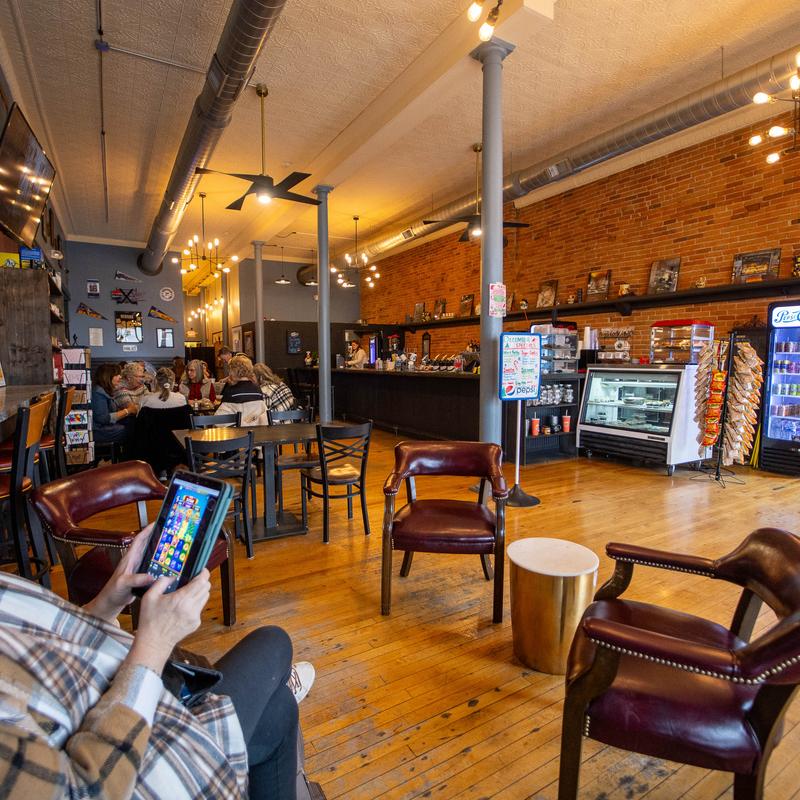
The story began when the shop’s owner started noticing local cryptocurrency enthusiasts gathering in her establishment. Rather than view them as an inconvenience, she was willing to listen. Working alongside the local community, she integrated modern digital payment processors into her register, giving her point-of-sale system native functionality for Bitcoin and its Lightning Network. By updating her payment software, she joined a network of over a million vendors worldwide. The financial results have been striking: while cryptocurrency transactions currently account for roughly 5% of her annual income, that figure skyrockets to an astonishing 50% of her morning sales volume on weekends when community meetups take over the café. Beyond the revenue boost, eliminating credit card processing fees gives her a significant operational advantage. Today, a sign on the counter reads “Bitcoin Accepted Here.” While 95% of her daily customers still use traditional cash or cards, the sign has become a beacon. As the owner has grown more aware of this monetary shift, she has genuinely embraced the opportunity to educate curious locals who stop to ask about it over their morning brew.
## The Ripple Effect: Building a Local Circular Economy
The true magic happened when the café evolved from a simple merchant into a community anchor. By creating a safe landing pad for digital currency users, the shop catalyzed a grassroots economic boom across the St. Louis region. A local circular economy now thrives within a short drive, allowing residents to spend their hard money in practical, everyday ways.
On the agricultural front, a regional alliance now runs weekly delivery routes for raw milk, eggs, and pasture-raised meat directly to St. Louis doorsteps. This is paired with local farms that allow customers to fill their fridges on a sound-money standard while hedging against inflation. For leisure and travel, a golf course in Fredericktown accepts digital currency for 18 holes, drinks, and on-site lodging. Further along the trail, a nearby convenience stop provides crucial overnight rooms for traveling enthusiasts. Even essential Main Street services have joined the network. You can get a fresh haircut, schedule pregnancy imaging, or bring heavy diesel machinery in for repairs, all while utilizing digital currency.
## Expanding the Network: A Statewide Web of Merchants
The movement is no longer an isolated island; it has woven itself into the fabric of the local economy. Today, living largely on digital currency is a viable reality for residents across Missouri, with dozens of merchants participating in a growing network. From urban hubs to rural outposts, the infrastructure for a localized economy centered on hard money continues to expand, creating a resilient and interconnected community.
## Frequently Asked Questions
**Q: How does a small business typically process Bitcoin payments?**
A: Small businesses integrate specialized digital payment processors into their existing point-of-sale systems. These processors allow the register to handle Bitcoin and Lightning Network transactions natively, converting the digital currency into the merchant’s preferred fiat currency or holding it directly, much like a traditional card reader.
**Q: Why do Bitcoin transactions make up a higher percentage of sales on weekends?**
A: Weekends often see a surge in local cryptocurrency community meetups. When enthusiasts gather at a business, it naturally increases the likelihood that attendees will use digital currency to pay for their purchases, driving sales volume for that specific payment method significantly higher than a typical weekday.
**Q: Why are local farms and producers choosing to accept digital currency?**
A: Local producers are adopting digital currency as a way to hedge against the devaluation of traditional fiat money. By accepting a form of hard money with a fixed supply, they can protect the value of their earnings from inflation, while also tapping into a growing network of customers who prefer to spend their digital assets.
**Q: Is it really feasible to live an entire lifestyle on Bitcoin in this region?**
A: Yes, for residents in the greater Farmington and St. Louis area, a lifestyle centered around digital currency is becoming a practical reality. With a growing directory of over forty businesses—from cafes and diners to locksmiths, ultrasounds, and heavy equipment repair—accepting Bitcoin within a two-hour radius, the infrastructure required for a decentralized economy is already in place.
## Conclusion
The story of Farmington is more than just the adoption of a new technology; it is a testament to the power of community-driven economic innovation. When a small coffee shop opens its doors to digital currency enthusiasts, it doesn’t just add a payment option—it sparks a movement. By connecting farmers, service providers, and travelers, the café has helped build a self-sustaining ecosystem that thrives on financial sovereignty. This regional model proves that the shift toward decentralized money is not just a theoretical concept, but a practical, everyday reality for communities willing to embrace it.
Thank you for reading
