



A shift is underway in how giant retailers run their bodily shops. What as soon as relied on handbook inventory checks and stuck provide chains is now shifting away from siloed methods towards software-driven operations powered by cloud and AI. Amazon’s newest retail initiative provides a transparent instance of this alteration taking form inside real-world environments.
Amazon is engaged on a brand new retail idea, internally known as “Project Kobe,” which goals to mix large-format bodily shops with automated warehouse methods and AI-driven logistics. In accordance with Enterprise Insider, the plan includes shops that operate as each procuring areas and fulfilment hubs. These shops are supported by robotics, whereas software program methods handle stock and operations in actual time.
The thought builds on methods Amazon already makes use of in its fulfilment centres. Robots transfer items and observe inventory. Additionally they assist route gadgets by way of warehouses. Underneath this new mannequin, comparable methods would lengthen into bodily retail places. Clients would nonetheless store in-store, however behind the scenes, software program would doubtless coordinate how items are saved, how they’re restocked, and the way they’re delivered.
This marks a shift from conventional retail setups, the place shops and warehouses function as separate models. On this case, each are merged right into a single system that depends upon fixed knowledge movement.
Cloud methods transfer nearer to the store ground
On the core of this mannequin is cloud infrastructure. Actual-time inventory monitoring and automatic restocking depend on methods that course of giant quantities of information shortly. AI-assisted logistics provides one other layer to this course of. These duties should not dealt with regionally inside every retailer. As an alternative, they rely upon cloud-based platforms that join shops with warehouses. These methods additionally hyperlink to the broader provide chain.
Retailers have used cloud companies for years, primarily for e-commerce and analytics. Additionally they depend on them for back-office methods. What’s altering now could be how deeply these methods are tied to bodily operations. Stock selections, for instance, will be made primarily based on stay knowledge from a number of places. AI methods can predict demand and regulate inventory ranges. They’ll additionally assist route items with out human enter.
This creates a setup the place the shop turns into a part of a broader community moderately than a standalone location. Every web site feeds knowledge into shared methods, and people methods can course of that knowledge and ship updates again in close to actual time, as seen in comparable cloud-based retail methods.
Amazon’s retail mannequin shifts towards a software-driven enterprise
The shift additionally modifications how giant retailers operate as organisations. On this mannequin, an organization like Amazon is not only operating shops. It’s managing a distributed system that appears extra like a cloud platform.
The usage of robotics, AI, and cloud companies turns bodily retail right into a software program downside. Duties resembling stock checks, shelf restocking, and order fulfilment are now not handbook processes. They’re dealt with by methods that may scale throughout many places directly.
This method has been seen in elements of Amazon’s enterprise for a while. Its fulfilment centres already depend on automation and centralised methods. The distinction now could be that these capabilities are shifting into customer-facing environments.
Experiences from Enterprise Insider counsel that Undertaking Kobe is a part of Amazon’s broader push to compete with large-format retailers resembling Walmart. By combining retailer and warehouse features, Amazon might be able to cut back supply instances and higher handle inventory throughout areas.
Why this issues for enterprise cloud adoption
The implications transcend retail. This mannequin reveals how cloud methods have gotten central to day-to-day operations, not simply help features.
In lots of enterprises, cloud adoption started with migration. Firms moved knowledge and purposes out of on-premise methods into hosted environments. Over time, cloud platforms turned the bottom for analytics and buyer methods. Additionally they help a rising vary of digital companies.
Now, a brand new section is taking form. Cloud methods are beginning to management bodily processes. In retail, that features how items transfer by way of shops. In different sectors, comparable patterns are rising in manufacturing, logistics, and vitality.
The Amazon instance highlights how this works in apply. A bodily retailer turns into half of a bigger system that depends upon shared compute and knowledge pipelines. AI fashions lie on prime of those methods to information selections. With out these methods, the shop wouldn’t work with the identical stage of automation or coordination.
The position of AI and automation in retailer operations
AI performs a key position in making this setup work. Demand forecasting, inventory allocation, and supply routing all rely upon fashions that may course of previous knowledge and regulate to new inputs.
For instance, if demand for a product rises in a single space, the system can shift inventory from close by places. If provide runs low, it could set off restocking from warehouses. These actions occur primarily based on knowledge indicators moderately than handbook checks.
Automation helps this course of on the bottom. Robots can transfer items inside shops or storage areas, lowering the necessity for handbook dealing with. Mixed with AI, this creates a loop the place knowledge informs motion, and every motion generates new knowledge.
A broader shift in how enterprises use the cloud
Amazon’s retail experiment factors to a wider development. Massive corporations are now not utilizing the cloud just for digital companies. They’re utilizing it to run core operations.
This has implications for a way enterprises plan infrastructure. Techniques should deal with real-time knowledge and help AI fashions. Additionally they want to attach bodily environments with digital platforms. It additionally raises questions on reliability and latency. System design turns into extra essential when operations rely upon fixed connectivity.
The transfer additionally modifications how worth is created. On this mannequin, effectivity features come from higher coordination throughout methods, moderately than remoted enhancements in particular person shops or warehouses.
Amazon and retail as a take a look at case for cloud-led operations
Retail provides a transparent view of this transition as a result of it combines bodily and digital components. Shops, provide chains, and buyer interactions all generate knowledge that may be fed into shared methods.
Amazon’s method reveals how these items will be introduced collectively underneath a single working mannequin. Whereas the long-term affect remains to be unfolding, the path is evident. Bodily companies are beginning to run on software program methods that span a number of places and features.
As extra corporations undertake comparable fashions, the road between cloud supplier and cloud person turns into much less distinct. Enterprises should not simply consuming cloud companies. They’re constructing operations that rely upon them at each stage.
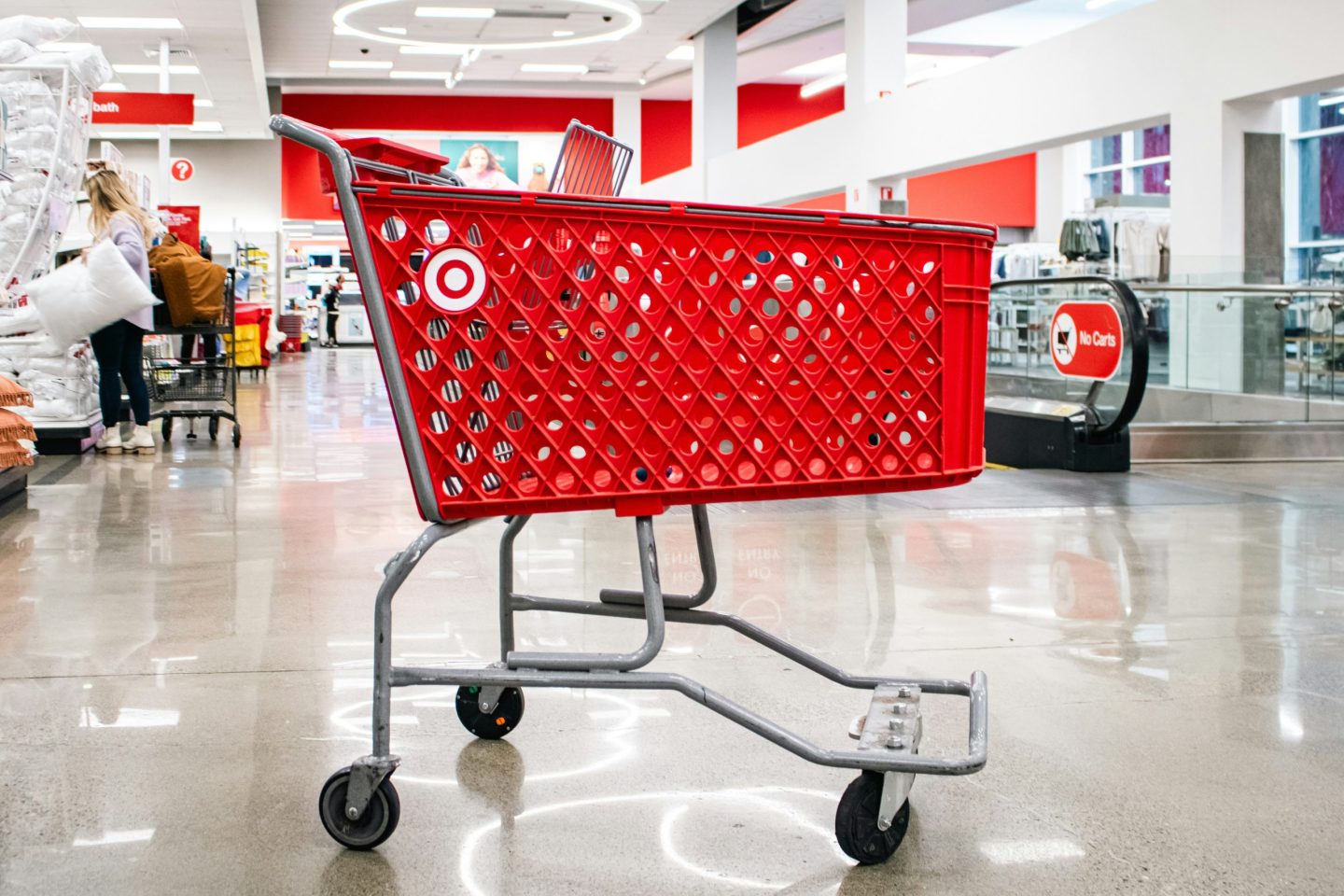
(Photograph by Zoshua Colah)
See additionally: Amazon plans enormous AWS funding to fulfill AI cloud demand

Need to discover how edge computing is powering the following wave of IoT and AI? Take a look at the IoT Tech Expo in Amsterdam, California, and London. Uncover classes on edge architectures, low-latency purposes, and device-to-cloud innovation. The occasion is a part of TechEx and co-located with different main expertise occasions. Click on right here for extra info.
Edge Computing Information is powered by TechForge Media. Discover different upcoming enterprise expertise occasions and webinars right here.
