



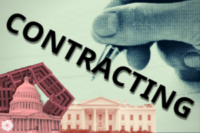
**Trump Administration Proposes Major Federal Acquisition Reforms**
The Trump administration has introduced **20 new proposals** aimed at reshaping federal acquisition policies, with a focus on increasing efficiency, flexibility, and support for non-traditional contractors. These recommendations, submitted by the Office of Management and Budget (OMB) in July, include significant changes to procurement thresholds, protest rules, and the expansion of Commercial Solutions Openings (CSOs). Many of these reforms target the creation of a more unified and modernized acquisition framework across federal agencies.
—
### Key Proposal Highlights
**1. Raising Simplified Acquisition and Micro-Purchase Thresholds**
One of the most notable proposals is to dramatically increase the limits for simplified acquisitions and micro-purchases:
– **Simplified Acquisition Threshold (SAT):** Increase to **$10 million** for commercial products and services by 2030 (from current levels).
– **Micro-Purchase Threshold (MPT:** Raise to **$100,000**, decoupling it from Buy American Act provisions for smaller purchases.
These increases aim to reduce bureaucratic burdens and allow agencies to act more swiftly, particularly when acquiring commercial goods and services.
**2. Permanent Expansion of Commercial Solutions Openings (CSOs)**
The administration seeks to make the CSO pilot program permanent for GSA, NASA, and Homeland Security. The pilot has already shown success:
– 67% of awarded contracts went to vendors with no prior GSA experience.
– Contracts were awarded **19 days faster** than traditional FAR-based contracts.
– Enabled participation from non-traditional defense and tech contractors.
This change would streamline procurement for innovative, smaller firms and encourage prototype-to-production pathways, especially through follow-on Other Transaction Agreements (OTAs).
**3. Raising Task Order Protest Thresholds**
To standardize practices across agencies, the administration proposes raising the task order protest threshold to **$35 million**, aligning civilian agencies with Defense Department levels. This change is designed to reduce meritless protests while maintaining fairness for bidders.
**4. Incentive Alignment in Bid Protests**
A controversial proposal would require agencies to withhold **5% of payments** from incumbent contractors during protests. If the incumbent loses, the agency keeps the funds—aiming to deter strategic protests used primarily to extend contracts.
**5. Increased Investment in Acquisition Training**
Recognizing the need for workforce readiness, OMB is requesting an increase in funding for the Federal Acquisition Institute, raising the percentage of fee-based allocations from **5% to 7.5%**.
—
### Industry and Expert Reactions
Industry experts, including former procurement officials, have generally welcomed these changes as necessary updates to modernize federal buying. Many emphasize the importance of creating a “unitary acquisition framework” that works across agencies, especially as procurement becomes more technology-driven and competitive.
However, some caution that increasing thresholds too aggressively could give vendors too much leeway or reduce oversight. As such, legislative debates may focus on balancing efficiency with accountability.
—
### Related Developments
The **Federal Improvement in Technology (FIT) Procurement Act**, which recently passed the House, also addresses acquisition reform—but with more modest threshold increases. This suggests potential tension between agency proposals and congressional action.
Officials believe that embedding these reforms into larger defense policy bills may offer the fastest route to implementation, especially given that the House has already passed the NDAA.
—
### FAQ Section
**Q: What is the Simplified Acquisition Threshold (SAT), and why is it being raised?**
A: The SAT is the dollar limit below which agencies can use streamlined procurement procedures. It is being raised to $10 million for commercial products and services to reduce red tape, speed up acquisitions, and increase access for non-traditional contractors.
**Q: What is the Micro-Purchase Threshold (MPT), and how will it change?**
A: The MPT is the limit for small purchases made without formal solicitation. It will increase to $100,000 and be decoupled from Buy American Act requirements, allowing greater flexibility for routine purchases.
**Q: What are Commercial Solutions Openings (CSOs)?**
A: CSOs are streamlined procurement vehicles that allow agencies to bypass certain federal acquisition regulations. The administration wants to make the current pilot program permanent and expand it to NASA and DHS.
**Q: Why are task order protest thresholds being standardized?**
A: Currently, different thresholds exist across agencies, creating inconsistencies. Standardizing at $35 million aims to ensure fairness and reduce strategic protests that extend contracts unnecessarily.
**Q: How will the 5% payment withholding rule work?**
A: If an incumbent contractor protests a lost bid, the agency will withhold 5% of contract payments during the review. If the protest fails, the withheld funds remain with the agency—creating a deterrent against frivolous challenges.
—
### Conclusion
The Trump administration’s acquisition reform agenda represents a significant push to modernize how the federal government buys goods and services. By raising key thresholds, incentivizing innovation through CSOs, and tightening protest rules, the proposals aim to make procurement faster, fairer, and more inclusive of emerging and non-traditional vendors. While implementation hurdles remain—especially in Congress—the changes signal a broader effort to align federal procurement with 21st-century realities.
*This article reflects proposed policies as of March 2023 and does not guarantee legislative enactment.*
—
*Image Credit: Federal News Network*
