



# How U.S. Regulators Are Stepping Up to Shape Crypto Markets
## A New Regulatory Landscape Takes Shape
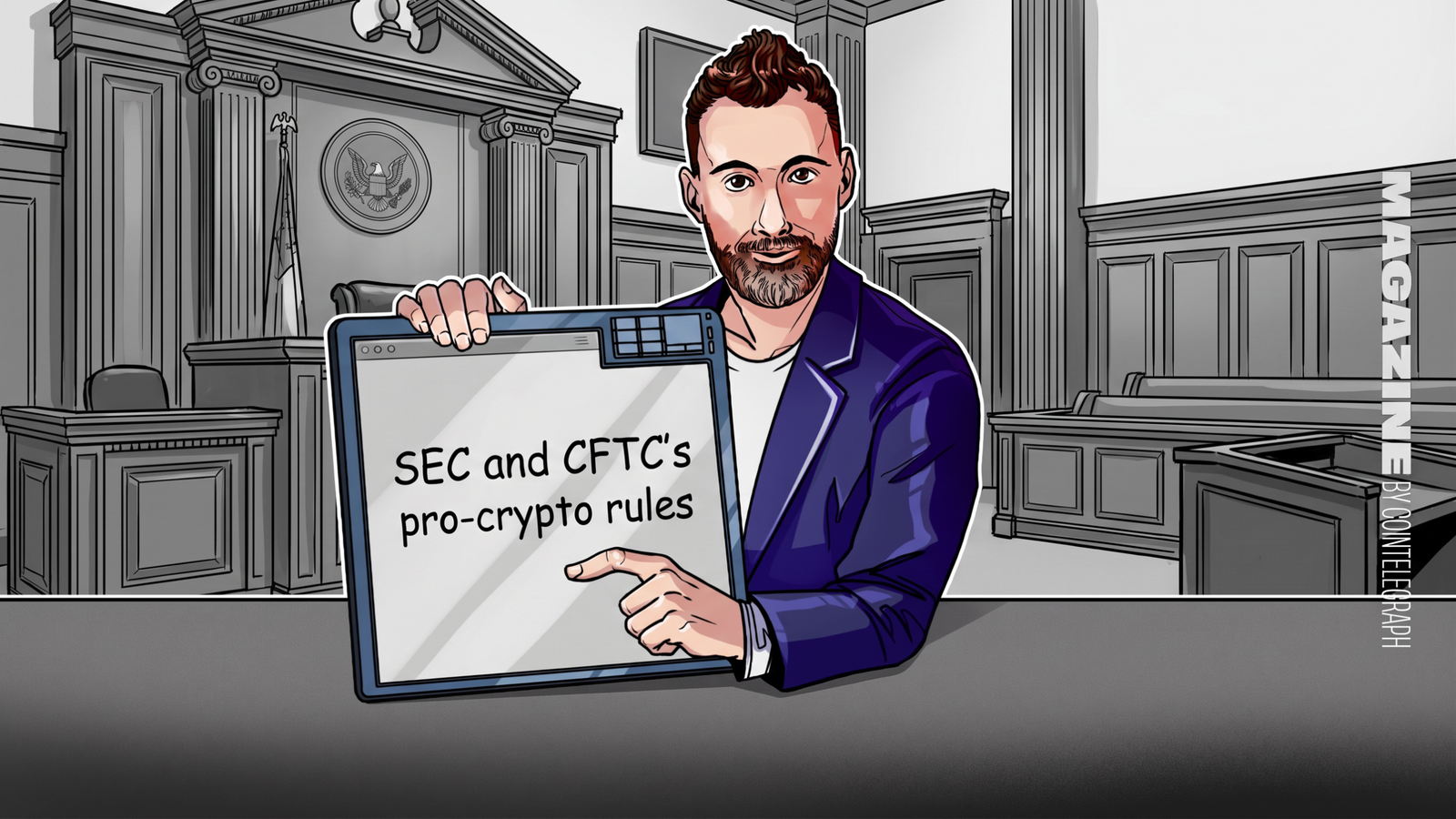
When lawmakers in the Senate failed to pass long-awaited legislation for digital assets, two major federal agencies didn’t wait around. Within days, both the Securities and Exchange Commission (SEC) and the Commodity Futures Trading Commission (CFTC) jumped into action, rolling out a series of new rules and guidance aimed at bringing clarity to cryptocurrency markets.
The SEC took several significant steps. It announced a five-year exemption that allows companies to issue and trade tokenized versions of stocks. Major platforms have already moved quickly to take advantage of this, launching trading for dozens of well-known company stocks in token form — including household names from the tech sector. At the same time, the agency published guidance making clear that a digital token doesn’t automatically become a regulated security simply because its creators buy it back. The SEC also confirmed that tokens used for liquid staking are not considered securities and proposed fresh rules for how crypto assets should be stored and safeguarded.
The CFTC, for its part, introduced measures to exempt certain crypto software providers from having to register as traditional exchanges. The agency also proposed creating a brand-new registration category specifically for digital asset markets and signaled it would permit registered platforms to offer leveraged trading options.
## Are These Rules Built to Last?
Despite the flurry of activity, there’s an undercurrent of concern across the industry. Some experts warn that agency-issued rules are inherently fragile — much easier to reverse than laws passed by Congress. Recent political shifts have already demonstrated how quickly regulatory direction can change when new commissioners take charge.
Adding to the uncertainty, a landmark Supreme Court decision in 2024 has made it simpler for courts to strike down agency rules. The ruling means that federal agencies can no longer rely as heavily on broad interpretive authority when the language of existing laws is vague or ambiguous. Instead, courts will apply their own judgment — making it more likely that regulations could be challenged and overturned.
This legal tension is already being tested. A group of community banks has filed suit against a federal banking regulator, arguing that it overstepped its authority by granting special charters to companies involved in digital assets. The outcome of that case could set important precedents for how far agencies can go in shaping the crypto space.
## What Experts Say About the SEC’s Power to Rule
Legal professionals emphasize that the SEC has had the authority to create rules for decades — long before digital assets existed. The agency was established in the aftermath of the stock market crashes of the late 1920s, and Congress deliberately gave it the power to fill in the details of financial regulations as new markets and technologies emerge.
That said, this power isn’t unlimited. If a new regulatory framework places an unreasonable burden on businesses or harms market participants, those affected can challenge the rules in court. They would need to show that the agency didn’t do its homework — that the rules were hastily conceived, economically damaging, and lacked sufficient research or analysis.
Experts note that the current SEC has been engaging extensively with crypto companies and venture capital firms before finalizing its guidance, suggesting a more deliberate and research-backed approach than some previous efforts.
## FAQ
**Can an agency like the SEC create new rules even when Congress hasn’t passed specific legislation?**
Yes. Federal agencies have the legal authority to issue rules and regulations that flesh out how existing laws apply to new situations and technologies. This is a standard feature of how American regulatory governance works — Congress sets the broad framework, and agencies handle the specifics.
**Does a SEC FAQ or guidance document carry the same weight as a formal regulation?**
No. Frequently asked questions and staff guidance are explanatory tools — think of them as educational materials for agency employees and the public. They don’t carry the force of law the way a formal rule does. Agencies can update or rewrite these documents at any time.
**If the SEC issues a rule, can a future SEC simply reverse it?**
Technically yes, but there are hurdles. The agency would need to provide a transparent, well-reasoned explanation for the reversal, backed by economic analysis and research. It can’t just change its mind on a whim. Courts would also be more likely to scrutinize a reversal that leaves businesses having built infrastructure around the original rules.
**How did the 2024 Supreme Court decision affect agency rulemaking?**
The decision limits what’s known as “deference” — the practice where courts give significant weight to an agency’s interpretation of ambiguous laws. After this ruling, courts are expected to apply their own independent reasoning rather than defaulting to the agency’s view, which makes agency rules more vulnerable to legal challenges.
**What happens if businesses invest heavily based on rules that later get overturned?**
That’s one of the biggest risks in the current environment. Companies that build systems, platforms, or financial products around a particular regulatory framework could face significant losses if that framework is suddenly reversed. This is why many in the industry are calling for more durable legislation rather than relying solely on agency rules.
## Conclusion
The current push by the SEC and CFTC represents the most aggressive attempt yet by U.S. regulators to create a structured framework for cryptocurrency markets. The rules being issued — on tokenized stocks, staking, custody, and crypto trading — signal a clear shift toward integration rather than exclusion.
However, the durability of these rules remains a serious question mark. With the possibility of future political changes, judicial scrutiny, and ongoing legal challenges, the regulatory landscape could look very different in just a few years. For businesses and investors, this means the time to engage and adapt is now, but long-term planning should account for the reality that these rules may evolve — or be replaced entirely.
Thank you for reading
