



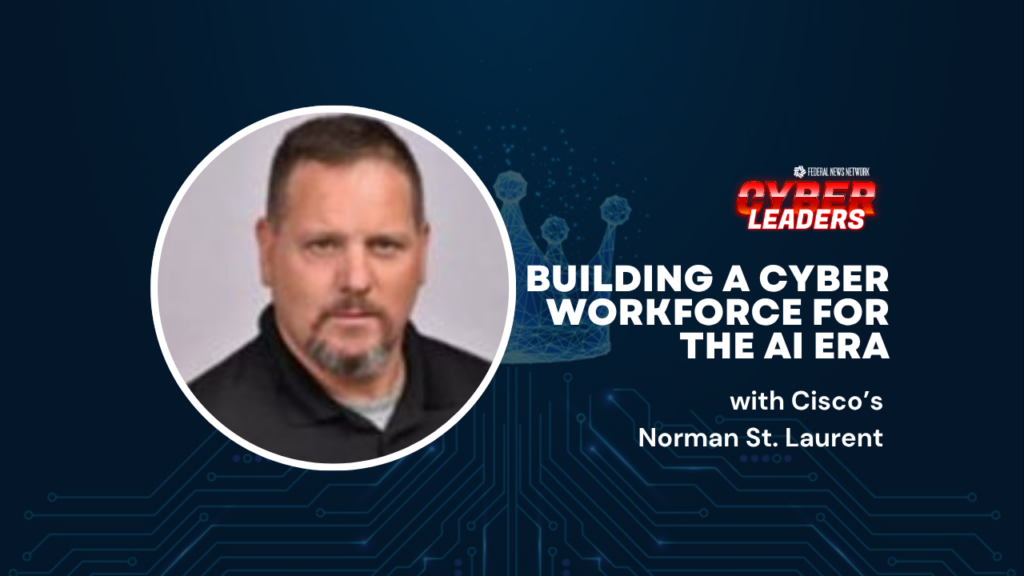
Navigating the Future of Cyber Defense in the Age of AI
The cyber defense landscape is evolving at a remarkable pace. Artificial intelligence is not only accelerating the speed of cyber threats but also fundamentally changing how security professionals carry out their daily work. Government leaders are now emphasizing that building a robust security team is the most critical step in protecting national infrastructure.
At the heart of this shift is a renewed focus on the mission itself. Defending computer systems is no longer just about protecting servers or networks; it is about safeguarding public services, intelligence operations, national defense, and the trust of citizens. Security teams must understand the broader goals of their agencies to determine what risks truly matter and what actions are necessary to address them.
To build a team capable of meeting these challenges, hands-on experience and strong mentorship are essential. Seasoned professionals should guide newer analysts, while also encouraging newcomers to share their fresh perspectives. By working together, the team builds not only technical expertise but also confidence, accountability, and mutual trust.
Artificial intelligence has emerged as a powerful enhancer of these efforts. AI can rapidly review security alerts, search through massive log files, and generate incident summaries automatically. This allows analysts—both junior and experienced—to spend less time on repetitive tasks and more time on high-value work like validating evidence and understanding the context of a potential threat. However, AI is not meant to replace human judgment. Professionals must always examine the raw data, challenge the AI’s suggestions, and document their final decisions carefully.
AI is also changing the way agencies manage security vulnerabilities. Advanced tools can quickly identify weaknesses, which means the window for fixing those flaws is shrinking faster than ever. Security teams should use AI to assist in secure software development, constantly analyzing code, checking dependencies, and testing for weaknesses. When a fix cannot be applied right away, teams must rely on alternative strategies like segmenting networks, restricting access, and adding extra layers of monitoring to protect exposed systems.
FAQ Section
Q: Why is the human element still critical in cybersecurity?
A: Because while technology can process vast amounts of data quickly, humans provide the essential context, judgment, and accountability needed to protect vital public services and national security.
Q: How does artificial intelligence help security analysts in their daily work?
A: AI automates tedious tasks like log searches and report writing, giving analysts more time to investigate complex issues, apply mission context, and make informed decisions.
Q: What should an organization do when a software vulnerability cannot be patched immediately?
A: When a patch is not available, teams should use alternative strategies known as compensating controls, such as limiting network access, isolating affected systems, and implementing additional monitoring to reduce the risk of an attack.
Q: Why is mentorship so important for building a strong security team?
A: Mentorship creates a learning culture where senior staff pass on critical skills and junior staff introduce new ideas, leading to a stronger, more cohesive, and highly skilled team.
Conclusion Section
The future of cyber defense depends on the seamless integration of advanced technology and human expertise. By prioritizing workforce development, using artificial intelligence as a supportive tool rather than a replacement, and maintaining strict human oversight, agencies can effectively protect critical infrastructure. Building a resilient security posture is an ongoing journey of adaptation, learning, and collaboration.
Thank you for reading
