



# Decentralized Protocols at a Crossroads: Can DeFi Platforms Refuse to Censor Stolen Funds?
In the wake of a massive cryptocurrency exploit, the crypto industry is grappling with a question that has no easy answer: should decentralized protocols be forced to intervene when stolen funds pass through their infrastructure?
## A Major Exploit Sparks a Heated Debate
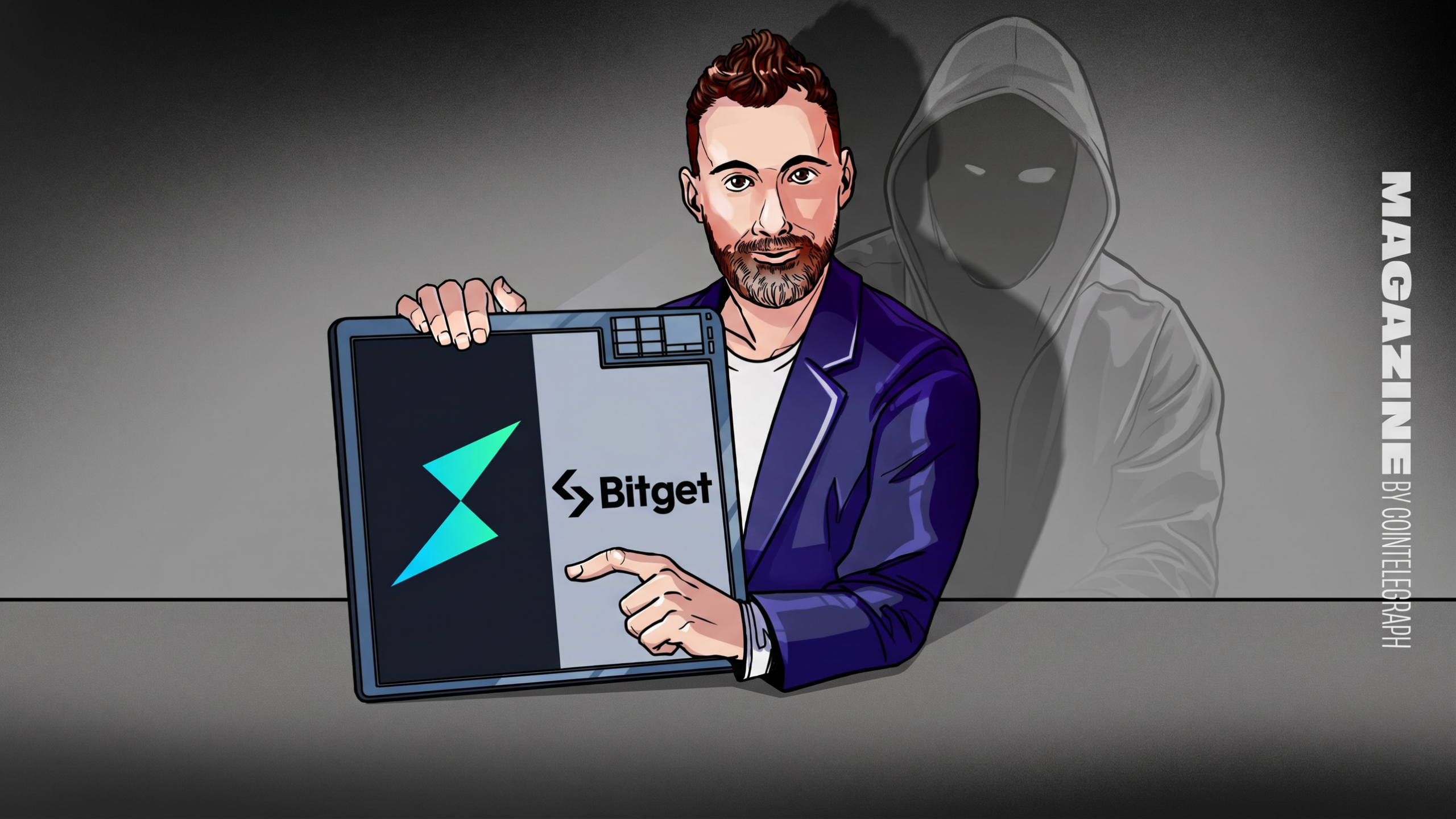
Last month, a significant security breach at a major crypto exchange resulted in the loss of approximately $387.5 million. Investigators moved quickly, tracing the stolen funds to various wallet addresses across multiple blockchains. In an unprecedented move, the exchange’s CEO publicly called on a decentralized cross-chain swap platform to block transactions involving those specific addresses.
The platform in question declined the request, issuing a statement that drew sharp lines between its architecture and that of centralized services. “This protocol is decentralized and permissionless, just like Bitcoin, Ethereum, and BNB Chain,” its representatives said. “What responsibility should those networks bear when handling known stolen funds?”
The response sparked immediate backlash and reignited a long-running debate within the cryptocurrency community about where the boundaries of decentralization end and accountability begin.
## A History of Tension
This is not the first time this particular protocol has found itself in the center of such a controversy. Earlier this year, the same platform facilitated the movement of roughly $1.2 billion in funds connected to a separate $1.46 billion exchange hack — a case where the platform’s administrative safeguards had only been removed days prior.
Compounding the difficulty of taking a hard stance, the protocol’s core team has publicly stated that its administrative capabilities have been permanently removed, and that there is no straightforward mechanism to selectively block individual addresses even if the team wanted to.
## An Alternative Approach
On the opposite end of the spectrum, another decentralized project took a more proactive approach. Its automated security program, launched publicly in early 2026, identified and blocked wallet addresses linked to the same exchange hack from executing cross-chain swaps worth tens of millions of dollars. The platform even declined a financial incentive offered by the exchange for doing so.
While the move was praised by the exchange’s leadership, it drew sharp criticism from prominent voices within the crypto community who argue that any form of address-level censorship undermines the foundational principles of decentralization.
## The Legal Landscape
To better understand the implications, legal experts in cryptocurrency regulation were consulted on the matter. Their analysis revealed a complex web of legal considerations that every decentralized protocol now faces.
### The Decentralization Defense
Legal professionals pointed out that claiming “decentralization” remains the strongest legal shield available to DeFi projects. When platforms assert they cannot selectively block or censor transactions, they are effectively saying they lack the centralized control that regulators typically associate with liability.
However, experts caution that this defense is fragile. If a protocol demonstrates the technical ability to intervene — even in a well-intentioned effort to prevent fraud — it opens the door to broader legal scrutiny. Courts and regulators may then ask why such intervention was applied in one case but not another, potentially requiring the platform to apply consistent due diligence across all activities.
### Automated vs. Manual Control
One of the key distinctions legal analysts highlighted is the difference between automated enforcement and manual intervention. A protocol that uses algorithmic systems to automatically flag and restrict certain on-chain behavior is viewed very differently from one where a human team manually reviews and blocks specific addresses.
“Automation is the gray area that could actually protect projects,” one expert noted. “If there’s no person sitting behind a desk pressing a button, the argument for decentralization remains stronger. But the moment human judgment is involved, even for good reasons, the legal landscape shifts.”
### Property, Money Laundering, and Smart Contracts
Another critical point of discussion centered on whether allowing stolen funds to be swapped across decentralized protocols constitutes money laundering or the receipt of stolen goods under existing laws.
Legal experts drew a distinction between traditional financial intermediaries and immutable smart contracts. Under American law and similar frameworks in other jurisdictions, smart contracts are not considered “property” in the traditional sense. Because no single entity controls or owns them, the legal theory of money laundering — which requires the movement of illicit property through legal channels — becomes difficult to apply. This reasoning was instrumental in the recent legal outcome involving a well-known privacy-focused protocol that faced sanctions enforcement.
### Timing and Future Liability
Experts also noted that just because legal action has not yet been taken does not mean it is off the table. Hacks of this magnitude often lead to prolonged investigations, and the window for potential claims can stretch well beyond the immediate aftermath of an incident.
## The Broader Implications for DeFi
What makes this debate so significant is that it touches on the very identity of decentralized finance. If protocols are expected to act as de facto regulators, screening transactions and enforcing compliance, they risk losing the permissionless nature that makes them valuable in the first place. On the other hand, if they refuse to take any responsibility, they risk regulatory crackdowns and reputational damage that could undermine trust in the entire ecosystem.
The actions of individual protocols are now being watched closely by regulators, investors, and the broader public. Every decision — whether to intervene or not — sets a precedent that could shape the future of how decentralized infrastructure is treated under the law.
—
## Frequently Asked Questions (FAQ)
**Q1: What is a decentralized cross-chain swap platform?**
A decentralized cross-chain swap platform is a blockchain-based service that allows users to exchange assets between different blockchains without relying on a centralized intermediary. It operates through automated smart contracts and distributed validators rather than a single controlling entity.
**Q2: Why did the exchange ask the protocol to block certain addresses?**
After a major hack, investigators traced the stolen funds to specific wallet addresses. The exchange requested that the protocol prevent any transactions involving those addresses in an effort to limit the movement and laundering of the stolen assets.
**Q3: Can decentralized protocols legally refuse to block addresses?**
Currently, there is no universal legal framework that compels decentralized protocols to block specific addresses. However, as regulatory environments evolve — particularly in regions like the European Union under MiCA — the legal obligations of DeFi projects may become more clearly defined.
**Q4: What is the difference between automated and manual address blocking?**
Automated blocking uses pre-programmed algorithms and on-chain analytics to flag and restrict suspicious addresses without human intervention. Manual blocking involves a team reviewing and approving restrictions on a case-by-case basis. The former is generally viewed as more compatible with decentralization, while the latter is seen as centralized control.
**Q5: Has any DeFi protocol faced legal consequences for allowing stolen funds to be swapped?**
While no protocol has been definitively held liable for facilitating the movement of stolen funds through their smart contracts, several have faced regulatory scrutiny. The legal theory around smart contracts not being “property” has provided some protection, but this area of law remains unsettled.
**Q6: What is the SHIELD program mentioned in the industry discussion?**
SHIELD is an automated security program deployed by a decentralized platform that uses public blockchain data to identify wallet addresses associated with known hacks and exploits, then prevents those addresses from using the platform’s swapping services.
**Q7: Does decentralization protect a protocol from all legal liability?**
Not necessarily. Legal experts warn that decentralization is not a blanket shield. If a protocol demonstrates any meaningful degree of control — even for protective reasons — it can be argued that the project is not fully decentralized, which weakens its legal defenses.
—
## Conclusion
The tension between decentralization and accountability has reached a critical inflection point. As high-profile exploits continue to make headlines, the pressure on decentralized protocols to act as guardians of the financial system will only intensify. The industry stands at a crossroads: embrace greater transparency and automated safeguards, or double down on permissionless principles at the risk of regulatory backlash.
There are no simple answers, but the conversations happening now — among developers, legal experts, regulators, and users — will shape the next chapter of decentralized finance. The decisions made by individual protocols today will serve as defining case studies for years to come, influencing how the world understands the balance between freedom and responsibility in a trustless financial system.
Thank you for reading
