



Top Federal Updates: Leadership Changes, Budget Shifts, and New Protections for Workers
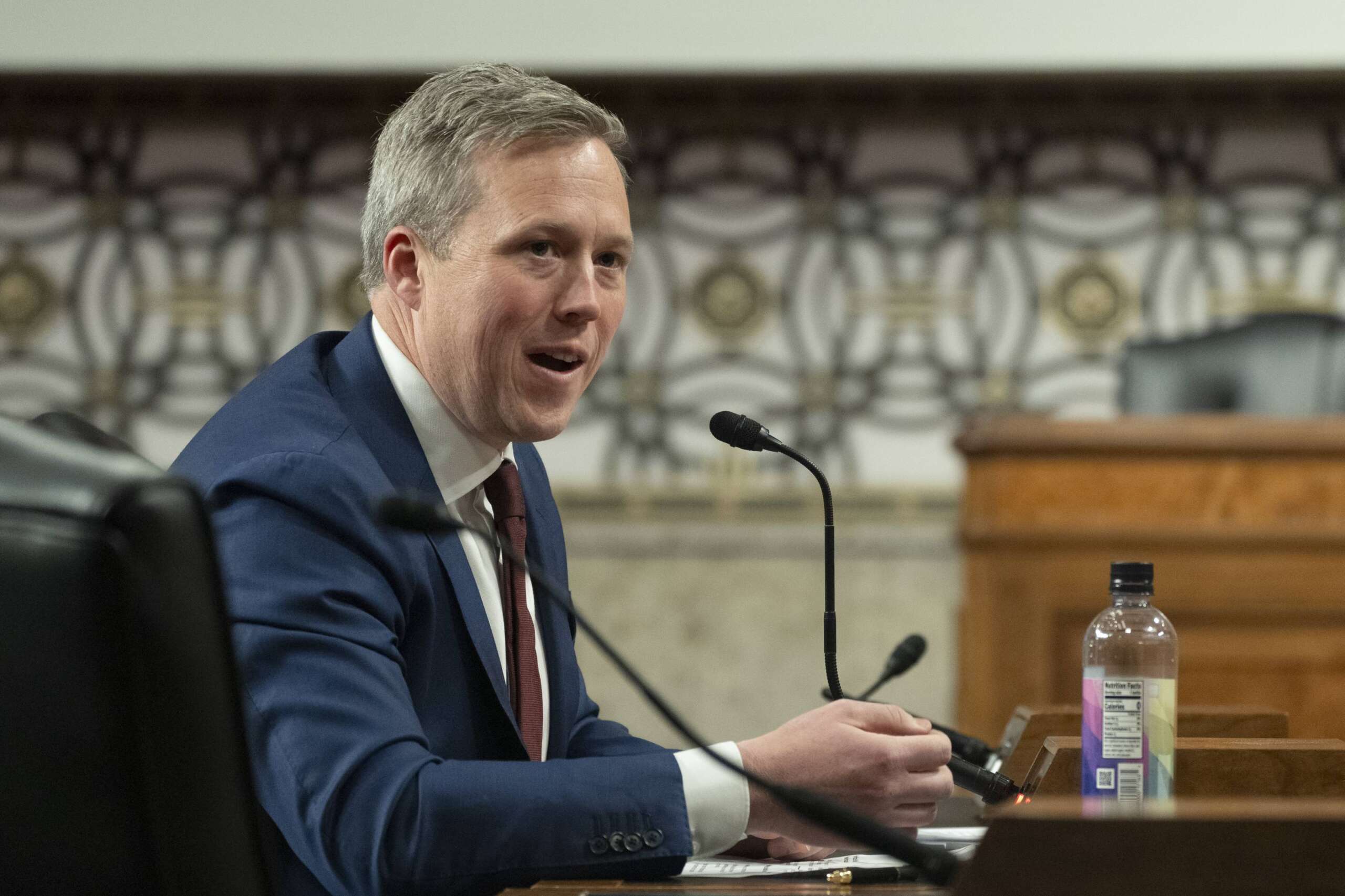
President Donald Trump has announced a new acting leader for the Army. Adam Telle, the assistant secretary for civil works, will step into the role of acting Army secretary, replacing Dan Driscoll, who stepped down recently following disagreements with Defense Secretary Pete Hegseth. Telle brings extensive legislative experience, having served as a longtime Senate staffer and working in the White House legislative office during the previous administration, though he lacks a military background.
Meanwhile, the Department of Defense has initiated a controversial move to redirect billions of dollars originally allocated to the National Institutes of Health toward the Pentagon’s budget. An interagency agreement provides the military access to funds Congress designated for biomedical research aimed at combating diseases like influenza, malaria, tuberculosis, HIV, and Ebola. This decision has drawn sharp criticism from lawmakers, with House Appropriations Committee Ranking Member Rosa DeLauro stating that the agreement requires immediate termination.
In the legal arena, former Justice Department pardon attorney Liz Oyer is taking the administration to court. Oyer filed a lawsuit arguing that her termination was a politically motivated violation of her constitutional rights and civil service protections. She claims she was fired after refusing to restore firearm rights to actor Mel Gibson, a known associate of the president, citing Gibson’s history of domestic violence convictions.
Federal workers in Washington state facing displacement due to recent wildfires now have a new resource at their disposal. The Office of Personnel Management has launched an emergency leave transfer program, allowing eligible employees to utilize paid time off donated by their colleagues without dipping into their own leave balances during major disasters or emergencies. Workers impacted by the current blazes can access these donated hours by contacting their agency’s human resources office.
On the infrastructure front, the Navy has completed a significant migration of its promotion and personnel records, moving them from the Millington Data Center to a secure cloud environment. This shift is intended to modernize how sailors’ information is managed and protected, improving resilience against infrastructure disruptions caused by aging servers, flood zones, and extreme weather, while also reducing long-term maintenance costs.
Security protocols are expanding, with the Department of Defense planning to deploy dozens of portable Sensitive Compartmented Information Facilities across the country. These mobile classified spaces will be stationed at military bases and business hubs to support the growing industrial base, as traditional facilities can cost millions to build and are not always accessible to all personnel. Access to these portable spaces will still require approval.
Furthermore, Congress has intervened to delay sweeping changes to federal grant regulations. The Office of Management and Budget’s controversial update to grant guidelines is now on hold through December 11, thanks to a provision in the recent continuing resolution. This gives federal grantees a two-month reprieve before the administration can finalize the rule, which originally proposed changes to the Uniform Guidance and garnered over 496,000 public comments.
In a separate personnel matter, a former employee of the Cybersecurity and Infrastructure Security Agency has pleaded guilty to fraud. Richeline Fung routinely overstated her work hours on certified timesheets, including claiming to work over 24 hours in a single day on multiple occasions. She also secretly held federal contractor positions while employed full-time by the agency, concealing both roles because she teleworked for all positions. She faces sentencing in January.
**Frequently Asked Questions**
**Q: Why did Dan Driscoll leave the position of Army secretary?**
A: Driscoll resigned amid disagreements with Defense Secretary Pete Hegseth.
**Q: What diseases was the NIH funding originally meant to research?**
A: The funds were designated for biomedical research to find treatments and cures for infectious diseases including influenza, malaria, tuberculosis, HIV, and Ebola.
**Q: How does the OPM emergency leave transfer program work?**
A: It allows federal employees impacted by major disasters to use paid time off donated by their colleagues instead of using their own leave hours.
**Q: What is the earliest date the OMB can finalize the new grant rule?**
A: December 12.
**Q: Why did the Navy migrate its personnel records?**
A: The move was made to modernize how sailors’ information is managed, improve protection against infrastructure disruptions like flooding and extreme weather, and reduce the operational costs of maintaining legacy systems.
These developments highlight a dynamic week across the federal government, spanning leadership transitions, budget reallocations, and new operational protections for workers. As agencies navigate these shifts, the impact on federal employees and national security remains a focal point for oversight and public attention.
Thank you for reading
