



**Bank of Korea Resumes Gold Purchases After 13-Year hiatus as Central Banks Set Record Buying Levels**
The Bank of Korea has announced its return to gold purchasing after a 13-year pause, marking a significant shift in the nation’s reserve strategy. This move comes as central banks globally aggressively expanded their gold reserves in the second quarter, purchasing a record 289 tonnes during the period—the strongest quarterly performance on record.
Korea’s initial foray into gold buying occurred between 2011 and 2013, when it acquired 90 tonnes at an average price of $1,629 per ounce. However, the bank halted these purchases after gold prices plummeted 38.5% from their peak, resulting in substantial paper losses amounting to billions of won. The recent resurgence in gold buying by central banks, including Korea’s renewed interest, signals a strategic shift amidst market volatility.
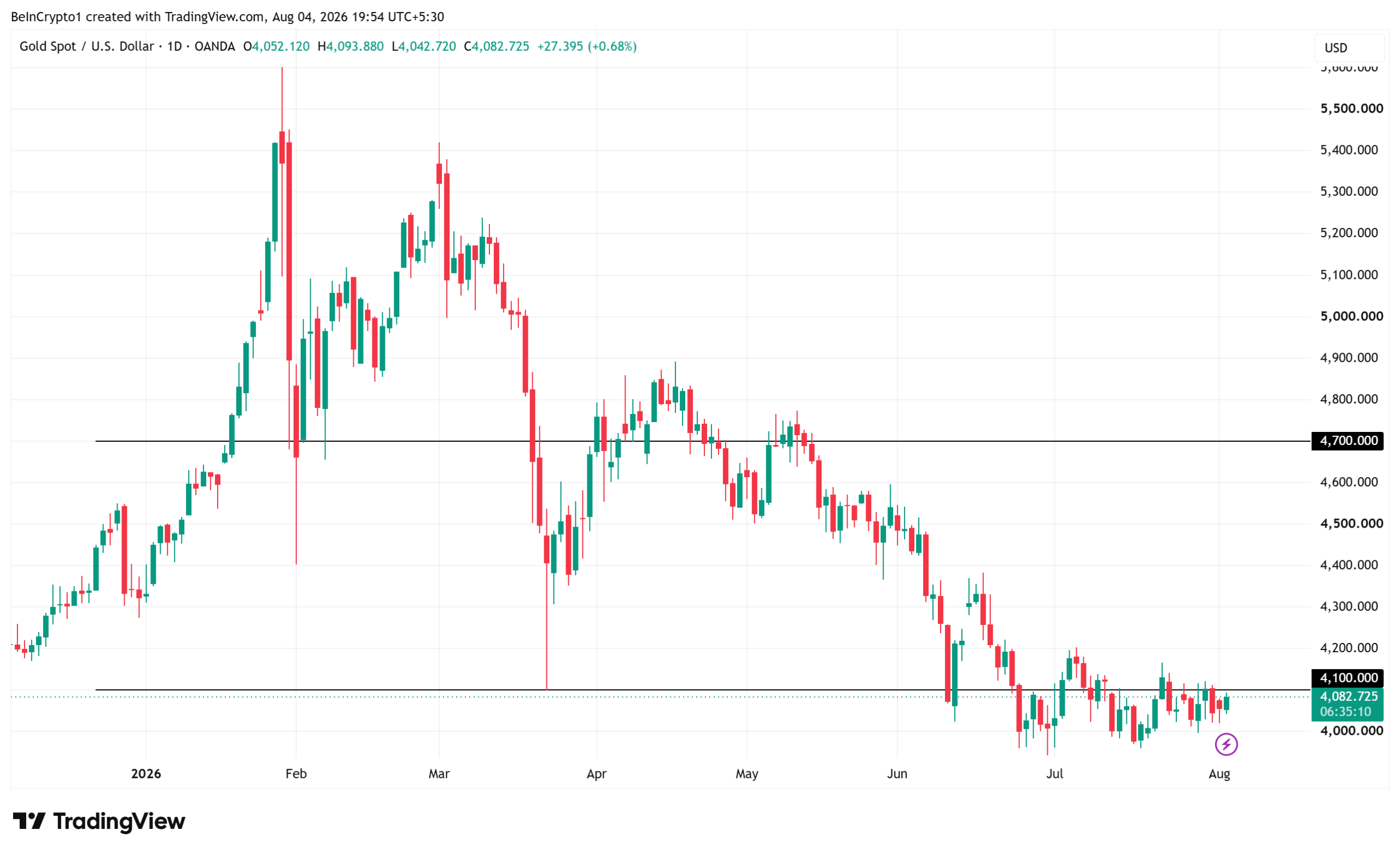
Current gold prices hover near $4,086 an ounce, reflecting a 27% decline from record highs but maintaining a 20% year-to-date increase. Analysts suggest that this renewed central bank activity could indicate broader market confidence and potential for further gains. The Bank of Korea’s measured approach, acquiring 40 to 45 tonnes annually as byproducts of copper and zinc production, aims to steadily bolster reserves without significant market disruption.
Related: **Gold Price Analysis: Key Support Levels and Future Projections**
—
### FAQ Section
**Q1: Why did the Bank of Korea stop buying gold in 2013?**
The bank ceased gold purchases in 2013 after experiencing significant losses when gold prices dropped 38.5% from their peak. This resulted in a paper loss of approximately 1.8 trillion won, prompting the suspension of further acquisitions.
**Q2: How much gold did Korea purchase initially, and what was the cost?**
Between 2011 and 2013, Korea bought 90 tonnes of gold at an average price of $1,629 per ounce, totaling about $4.7 billion.
**Q3: What is the current value of Korea’s gold reserves?**
Those same 90 tonnes are now valued at roughly $11.8 billion, representing a substantial unrealized gain of approximately $7 billion compared to the original purchase price.
**Q4: How do central banks compare in gold buying activity?**
In the second quarter alone, central banks purchased 289 tonnes of gold, with Poland leading acquisitions at 51 tonnes. China continued its steady accumulation by adding 33 tonnes, while Russia sold 22 tonnes.
**Q5: What does the tight Bollinger Band indicate for gold prices?**
The tight squeeze in Bollinger Bands suggests low market volatility, often preceding significant price movements. Historically, similar patterns have preceded substantial rallies in gold prices, though the direction can vary.
**Q6: What are the price targets for gold according to analysts?**
Deutsche Bank analysts project gold could reach $4,700 by year-end, while JPMorgan targets $4,500 for the fourth quarter. The World Gold Council anticipates prices to remain within 5% of $4,100 through mid-2026.
—
### Conclusion
The Bank of Korea’s decision to resume gold purchases after more than a decade underscores a renewed confidence in gold as a strategic reserve asset. Coupled with record-breaking acquisitions by central banks worldwide, this move highlights gold’s enduring role in mitigating economic uncertainty. While current prices remain below historical highs, the combination of institutional buying and market indicators suggests potential for further upside. Investors and policymakers alike will be closely watching key support levels to gauge the next major breakout in the gold market.
