



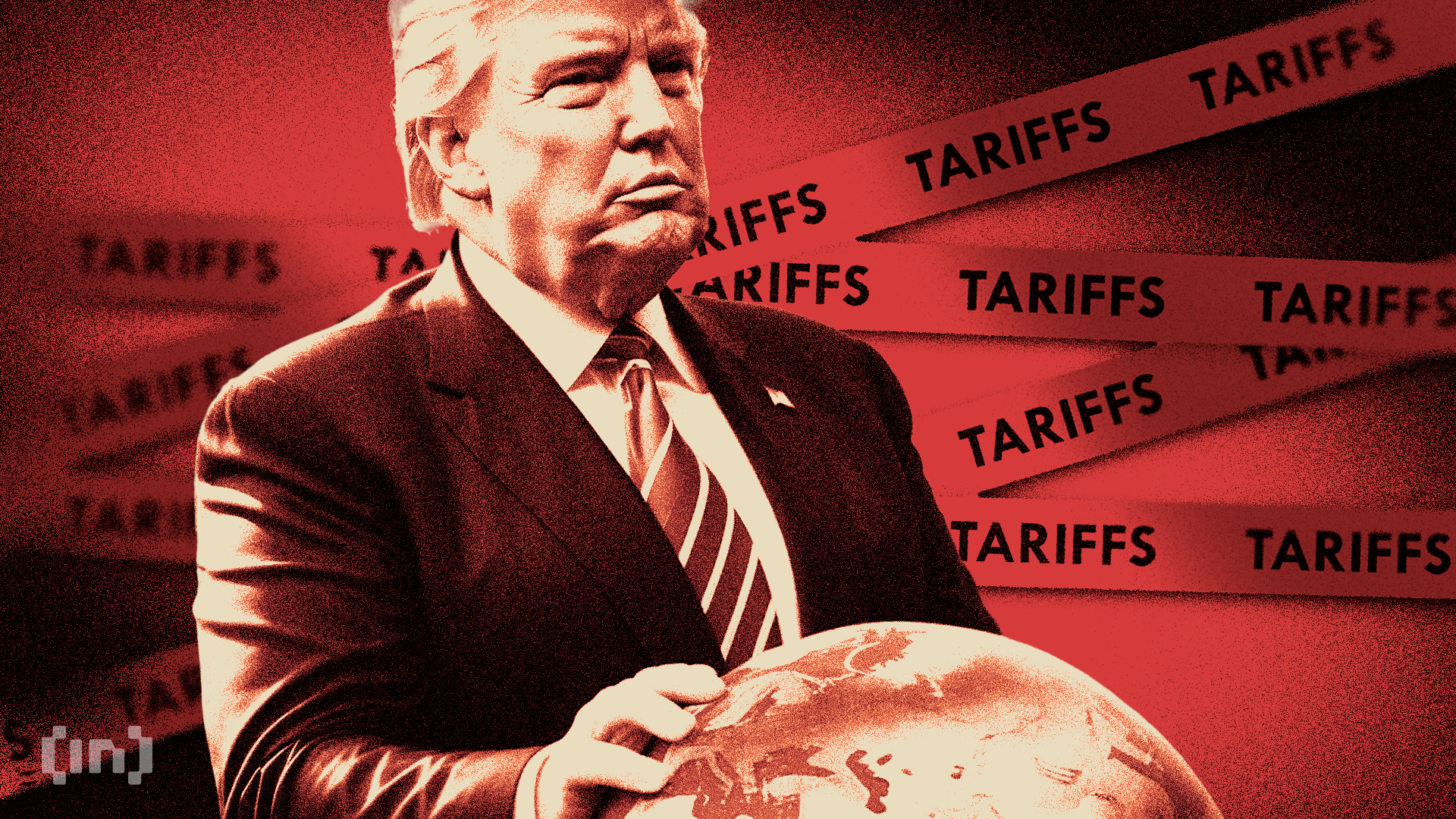
**Market Turbulence Returns: Trump’s Tariffs and Iran Threats Take Center Stage**
Over the past week, financial markets have been shaken by a resurgence of geopolitical tension and aggressive trade policy from a second Trump administration. Reports indicate that oil prices climbed as investors priced in new risks to global supply chains. This was compounded by a new wave of tariffs affecting dozens of major economies, raising concerns over rising corporate costs, persistent inflation, and potential interest rate delays.
According to analysis from BeInCrypto, five key developments from this period have had the most significant impact on market sentiment. These events highlight a renewed focus on energy security, protectionist trade measures, and supply chain vulnerabilities.
### 1. Iran Threat Sends Oil Above $100
A primary driver of market volatility was heightened tension in the Middle East. Former President Donald Trump issued threats of major military action against Iran following Houthi attacks on commercial shipping. The rhetoric immediately triggered fears of disruption in the Red Sea and the strategically vital Strait of Hormuz.
The announcement caused Brent crude oil to briefly surge above the $100 per barrel mark. This spike in energy prices has direct implications for global inflation, as higher oil prices increase transportation and manufacturing costs. The resulting pressure on central banks could delay planned interest rate cuts, while riskier assets like technology stocks and cryptocurrencies experienced pullbacks as investors favored safer, yield-bearing securities.
### 2. Trump’s Tariff Wall Gets Wider
In a significant move affecting global trade, Trump imposed new tariffs ranging from 10% to 12.5% on goods imported from 60 economies. This wide-reaching measure targets major partners, including China, India, the European Union, Japan, and South Korea.
The tariffs cover a substantial portion of US imports and are expected to raise operating costs for retailers, manufacturers, and tech companies that rely on foreign components. Businesses are likely to pass these costs onto consumers, contributing to sustained inflationary pressures and making it more difficult for the Federal Reserve to ease monetary policy.
### 3. Canada Becomes the Latest Trade Target
Trade tensions extended to Canada with the announcement of new 50% tariffs on approximately $20 billion worth of Canadian goods. The affected products include dairy, wine, furniture, and cement. While energy and critical minerals were exempted, the decision has already caused the Canadian dollar to weaken amid trade uncertainty.
US companies that rely on Canadian imports are bracing for higher costs starting in August. The dispute threatens to disrupt the deeply integrated North American supply chain and could lead to retaliatory measures, further straining bilateral trade relations.
### 4. Defence Firms Face a China Supply Chain Test
A new executive order signed by Trump places additional restrictions on US defense contractors seeking to source materials from China and other restricted markets. The policy mandates a tougher approval process for purchasing critical minerals and components necessary for military equipment and advanced technologies.
While this move may create opportunities for domestic US miners and processors, defense and aerospace companies face immediate challenges. The reliance on Chinese supply chains means companies could encounter production delays and increased costs as they adapt to the new regulatory environment.
### 5. Aluminum Tariffs Get an Investment Clause
The administration introduced a novel approach to aluminum tariffs, linking tariff relief directly to new investment in US production. Companies that build or expand smelters within the United States can import a matching volume of aluminum at a reduced tariff rate.
This policy is designed to stimulate domestic production and reduce reliance on foreign sources. However, it may create a two-tiered system where only companies meeting specific investment thresholds benefit, potentially raising costs for industries like automotive, construction, and beverages that depend on aluminum.
### Conclusion
The past week underscored how quickly market dynamics can shift under a combination of geopolitical stress and protectionist economic policy. With oil prices climbing, a broad web of tariffs being implemented, and supply chains facing new constraints, investors are navigating a landscape defined by uncertainty. The coming months will reveal whether these measures lead to higher inflation, reduced corporate profits, or broader macroeconomic consequences.
—
### FAQ
**What caused oil prices to rise this week?**
Oil prices climbed due to threats of military action against Iran, which raised concerns about potential disruptions to oil shipments through the Strait of Hormuz, a critical global energy route.
**Which countries are affected by the new tariffs?**
The new tariffs target 60 economies, including major partners such as China, India, the European Union, Japan, and South Korea.
**How might tariffs impact consumers?**
Tariffs increase costs for businesses that rely on imported goods. These costs are often passed on to consumers, leading to higher prices for everyday products and contributing to overall inflation.
**What is the new aluminum tariff policy?**
The policy links tariff relief to investment in US aluminum production. Companies that open or expand domestic smelters can import aluminum at a reduced tariff rate, aiming to boost local manufacturing.
**Could trade disputes lead to retaliation?**
Yes. Analysts warn that affected countries, such as Canada and members of the European Union, may respond with their own tariffs, which could further disrupt global trade and supply chains.
