



Hurricane Laura struck Louisiana in late August as the first major hurricane of the 2020 Atlantic hurricane season. Classified as a Category 4 Atlantic hurricane, it brought sustained winds reaching up to 150 MPH along with a devastating storm surge. Ranked as the 10th-strongest U.S. hurricane ever recorded, Laura claimed the lives of at least 41 people in the United States. The storm caused an estimated $23.3 billion in damages across southwestern Louisiana and southeastern Texas near the Gulf of Mexico.
I made the drive from Indiana to Louisiana in my motorhome to see how I could assist our customers, along with first responders and local residents, many of whom had been displaced from their homes with nothing left. Along the way, I witnessed miles of power poles broken like sticks, nothing but twisted metal and in some cases stilt foundations where houses had once stood, saltwater pooled in fields miles from the coastline, electrical wires scattered everywhere, and signs of upheaval in every direction. I even came across an alligator that had been killed on the road. The entire area had become a communications black zone, which made establishing a coordinated response nearly impossible.
Although I was already well aware of the catastrophic effects severe weather could have on a region, seeing the situation firsthand underscored just how essential communications technology is to restoring vital services to a community after a natural disaster.
When it came to Hurricane Laura, recovery simply could not have happened without a well-connected and dependable operations center. Federal officials, local agencies, and technology teams together assembled a makeshift communications hub that was used by the National Guard and a local sheriff’s department to field calls, coordinate rescue efforts, and even serve as an air-conditioned rest area where responders could grab a few hours of sleep between shifts.
Critical connectivity
For emergency management teams, tackling natural disasters such as Hurricane Laura demands months of preparation, millions of dollars in resources, and above all, fail-safe connectivity to ensure first responders are equipped to handle a crisis or emerging threat.
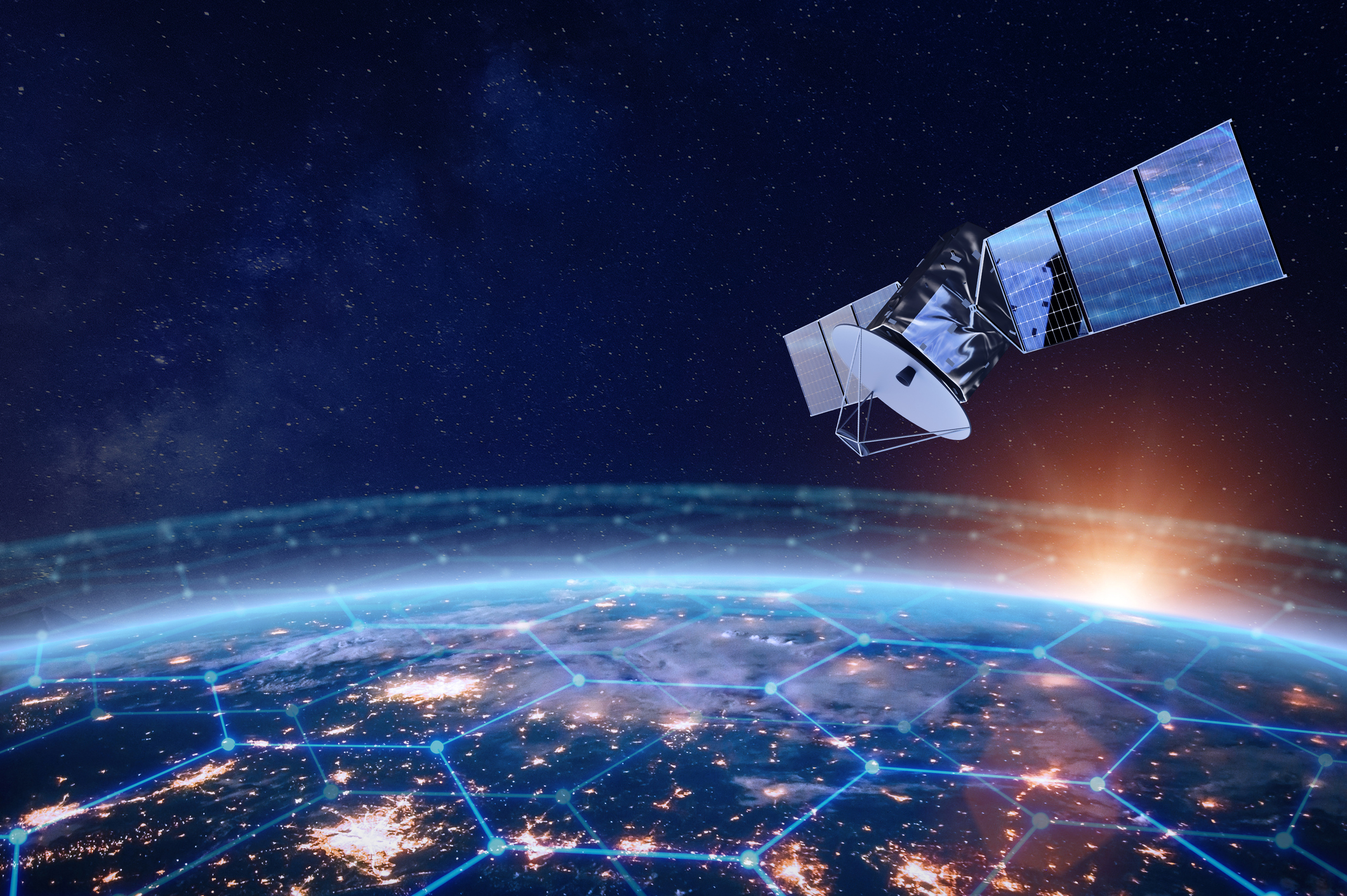
Dependable connectivity has become a cornerstone of federal emergency management efforts. Having a reliable non-land-based backup communications system is absolutely essential. While modern non-terrestrial networks that rely on satellite technology have supported emergency responses for many years, recent technological advances have accelerated deployment speeds, broadened communications reach, and enabled real-time support for local response teams.
Cloud-based applications, virtualized ground systems, and carrier-grade connectivity allow federal response teams to deploy flexible, mobile, and data-rich response capabilities that continue to function when other platforms go down or are out of reach. This enables responders to coordinate swiftly and efficiently, ultimately saving lives.
Always‑on connectivity for crises
During large-scale disasters, terrestrial infrastructure is frequently among the first things to be knocked out, stripping responders of the ability to coordinate or maintain situational awareness. Non-terrestrial communications provide connectivity to vehicles, pop-up networks, and field teams that must stay agile as conditions shift. In public-safety events and disaster response, satellite links can deliver voice, data, and video services to crisis response teams working on the front lines and in crowded, high-pressure environments.
Satellite communications networks can offer:
- Disaster resilience: They function independently of ground-based infrastructure, which is often destroyed during natural disasters or emergencies.
- Rapid deployment: Quick setup in affected zones provides immediate communications for first responders. Virtualized, cloud-native systems can be spun up rapidly, cutting deployment time in critical moments.
- Broad coverage: Global reach extending to remote, rural, or isolated areas where traditional networks are absent. Emergency teams can stay connected across a city, an entire country, or even internationally for improved cross-agency coordination.
- Reliability: Continuous, uninterrupted connectivity even in the harshest conditions, whether at a flood scene or a hurricane-ravaged site.
- Scalability: Capacity to support multiple agencies, users, and devices simultaneously, making it ideal for orchestrating and executing large-scale emergency operations.
Leveraging the cloud and virtualization for emergency networks
Cloud-native architectures are transforming the way satellite ground systems are designed and operated, making it possible to run emergency-management applications – such as dispatch systems, GIS mapping tools, and collaboration platforms – closer to where the action is happening.
During an emergency, cloud-native satellite control and network management enable operators to redistribute bandwidth and connectivity as demand surges or specific sites become compromised.
Virtualization allows emergency networks to quickly scale capacity up or down, shift functions to different geographic locations as needed, and keep costs in check while preserving performance and security.
Emergency communications also demand true carrier-class standards – high availability, predictable performance, and strict service-level guarantees – because any loss of connectivity can directly jeopardize public safety and human lives. Carrier-grade connectivity supports mission-critical applications including command-and-control systems, video feeds, and medical data transfers. The satellite network maintains priority and stays reliable across a variety of networks and physical environments.
Flexibility and mobility across a network of networks
We know that Starlink and other emerging satellite networks can connect people to the internet. But they also function as components of a larger “network of networks,” spanning multiple satellite orbits and integrating with terrestrial 4G/5G and Internet Protocol (IP) networks. These combined systems give emergency teams the freedom to route communications through whichever path delivers the best performance and coverage at any given moment. Built-in redundancy features allow networks to seamlessly switch from one satellite or link to another if a path goes down.
For responders who are constantly on the move, flexible satellite networks support seamless roaming across regions and satellites without any need for manual reconfiguration, ensuring uninterrupted connectivity for vehicles, field teams, and first responders. As emergencies grow increasingly complex, satellite technology helps agencies sustain resilient operations when it matters the most.
Darren Ludinger serves as the regional vice president for the Americas at ST Engineering iDirect.
Copyright © 2026 Federal News Network. All rights reserved. This website is not intended for users located within the European Economic Area.
