



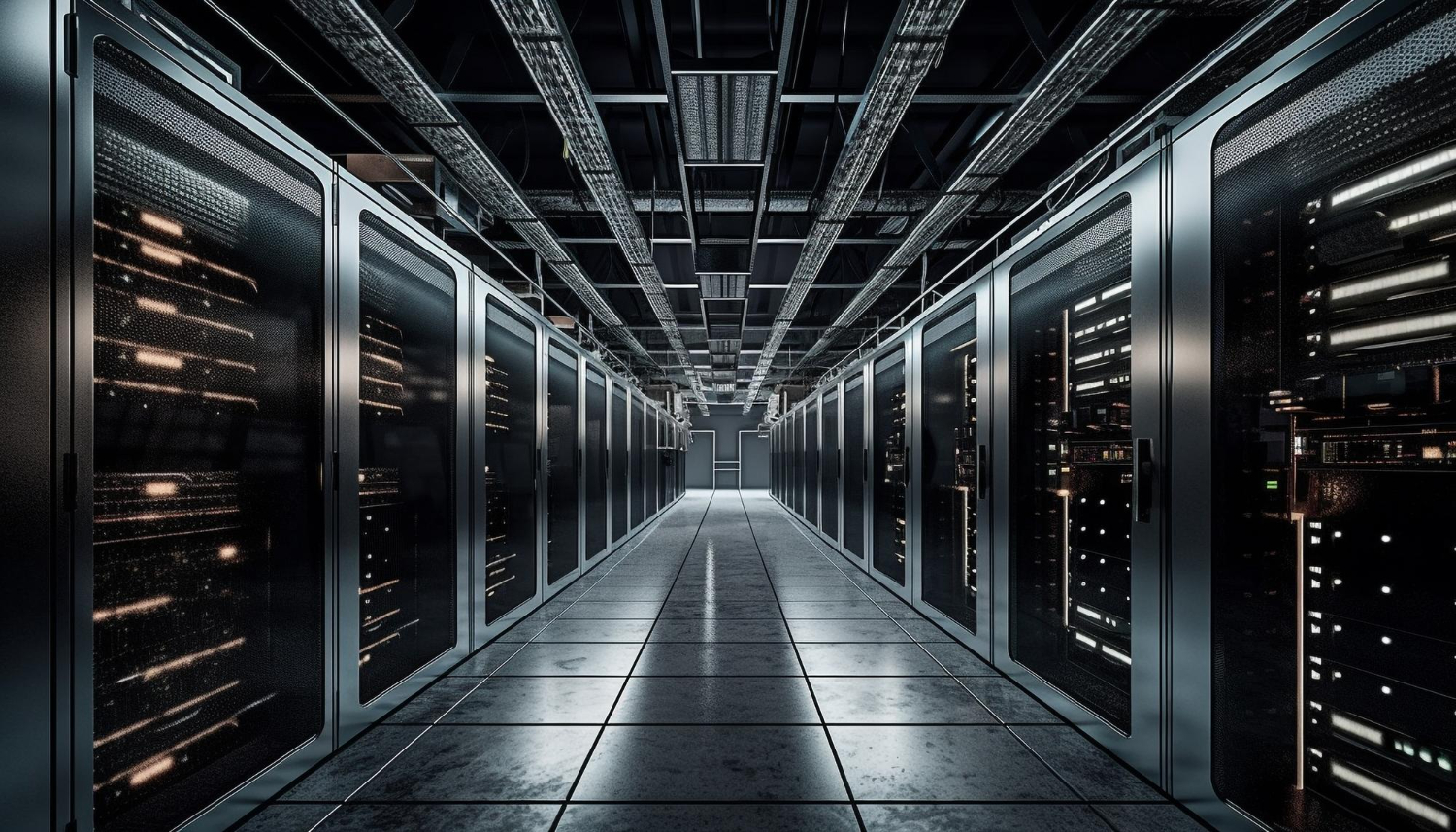
Knowledge Centre Infrastructure Administration, or DCIM, implies lots. A unified command layer: one system that ties collectively energy, cooling, and compute, understands how they work together, and offers operators a coherent image earlier than issues go mistaken. Stroll into most enterprise knowledge centres and what you discover is one thing else fully.
In follow, what exists throughout most services is a group of independently deployed methods: a SCADA or BMS for engineering infrastructure, a separate NMS for community monitoring, an ITSM layer for incident administration, and bodily entry management by itself stack. Every does its job inside its personal area. The difficulty begins when these domains collide.
The system zoo downside
Name it the system zoo: specialised instruments, every authoritative in its personal territory, none chatting with the others. In calm circumstances that is workable. Engineers develop a psychological mannequin of how the items match and carry it round of their heads.
Underneath stress, the association breaks down quick. When a circuit breaker journeys on an influence distribution board, the downstream results hit engineering, servers and community concurrently. Every monitoring system sees its slice and generates its personal alert stream. Inside seconds, the operator console is processing dozens of unbiased indicators: a cooling unit going offline, servers dropping from stock, change interfaces going darkish, entry management doorways failing to reply. Someplace in that flood is the precise trigger — one upstream electrical fault. Discovering it’s one other matter.
This alert storm downside is nicely understood. It persists as a result of level options had been by no means constructed for cross-domain occasion correlation. Every system flags what it will probably see, with no context to separate major failure from cascading impact. Fault severity has little to do with it. Response time comes all the way down to how lengthy one engineer must piece collectively a timeline throughout 4 or 5 consoles.
The IT/OT visibility hole
OT and IT groups have all the time labored in separate instruments. No one designed them to share context, and for many of information centre historical past that was high-quality. In a contemporary facility, it isn’t. Energy consumption, thermal load, and server workload are tightly coupled. Shifts in a single present up within the others, usually inside seconds.
Take into account a rack that begins pulling far more than its rated draw. Is it a workload spike? A cooling failure inflicting thermal throttling? A defective PSU unbalancing section load? With no view that ties energy draw, inlet temperature, and server utilisation collectively, answering that query takes minutes. In a degrading state of affairs, these minutes matter.
The structure that solves that is easy to explain: one monitoring platform protecting OT and IT, with ITSM as the method layer above it. That’s what Iotellect is constructed round: an IoT/IIoT platform that pulls SCADA, BMS, community monitoring and IT telemetry right into a shared knowledge mannequin, linked through over 100 protocols together with Modbus, OPC UA, BACnet and SNMP. Occasions correlate in a single engine. Operators work from one view. The issue is discovering the organisational will and funds to truly construct it.
AI workloads are elevating the stakes, not altering the foundations
AI workloads are routinely cited as a purpose to overtake knowledge centre administration software program from the bottom up. The change is actual — however narrower than most of that dialogue implies. Most inference masses run on commonplace industrial infrastructure, not specialised hyperscale {hardware}. What shifts is density: extra kilowatts per rack, larger thermal output per sq. metre, extra unstable energy draw as GPU utilisation swings with request quantity.
That density improve sharpens the IT/OT downside with out altering its construction. Part-level energy stability and per-rack thermal profiles have all the time mattered. At 30 kW per rack they develop into vital. Services that delay consolidated monitoring as a result of issues had been holding collectively nicely sufficient will discover that argument tougher to make as densities climb.
Automation and the bounds of the darkish manufacturing unit mannequin
Fashionable knowledge centres already run near what manufacturing calls the darkish manufacturing unit mannequin: services that function with out steady human presence, with workers dealing with oversight, escalation and coordination. Routine monitoring and incident creation are automatable. Automation hits its restrict on the fringe of predefined situations.
Bodily intervention, non-standard failures, and faults that cascade throughout system boundaries nonetheless want an engineer with sufficient data of the power to purpose by conditions no playbook covers. When that occurs, good monitoring is what separates a ten-minute analysis from a multi-hour outage. One coherent view of the power and the engineer finds the fault quick. 5 separate alert feeds to reconcile by hand and they don’t.
What unified datacenter administration truly requires
Constructing a unified infrastructure administration layer is an architectural resolution, not a buying one. Sensor knowledge, engineering telemetry, and IT monitoring have to land in a single event-processing context. Correlation logic has to establish root causes, not simply log signs. And the mixing complexity of a multi-vendor property needs to be owned centrally, or no one owns it.
None of that is low cost. Constructing full-stack from sensor layer by to administration software program is a multi-year dedication, and most organisations will stage it. The best-return first step is nearly all the time occasion correlation: a layer that pulls in alerts from current instruments and traces them again to the supply earlier than they pile up right into a full incident. No underlying methods want changing, and imply time to decision drops throughout occasions.
Iotellect is constructed to be deployed that approach: begin because the correlation layer, working alongside current instruments, then prolong protection as these instruments cycle out. The platform runs on edge gateways, industrial PCs and cloud inside the similar deployment, so there is no such thing as a requirement emigrate all the things without delay. Extra at iotellect.com.
DCIM as an idea isn’t the issue. The issue is making use of the label to a group of loosely built-in instruments with out asking whether or not these instruments share a coherent view of the power. Operators who’ve satisfied themselves that their system zoo qualifies as a administration platform will preserve discovering out in any other case. Often on the worst attainable second.
Touch upon this text through X: @IoTNow_ and go to our homepage IoT Now
