



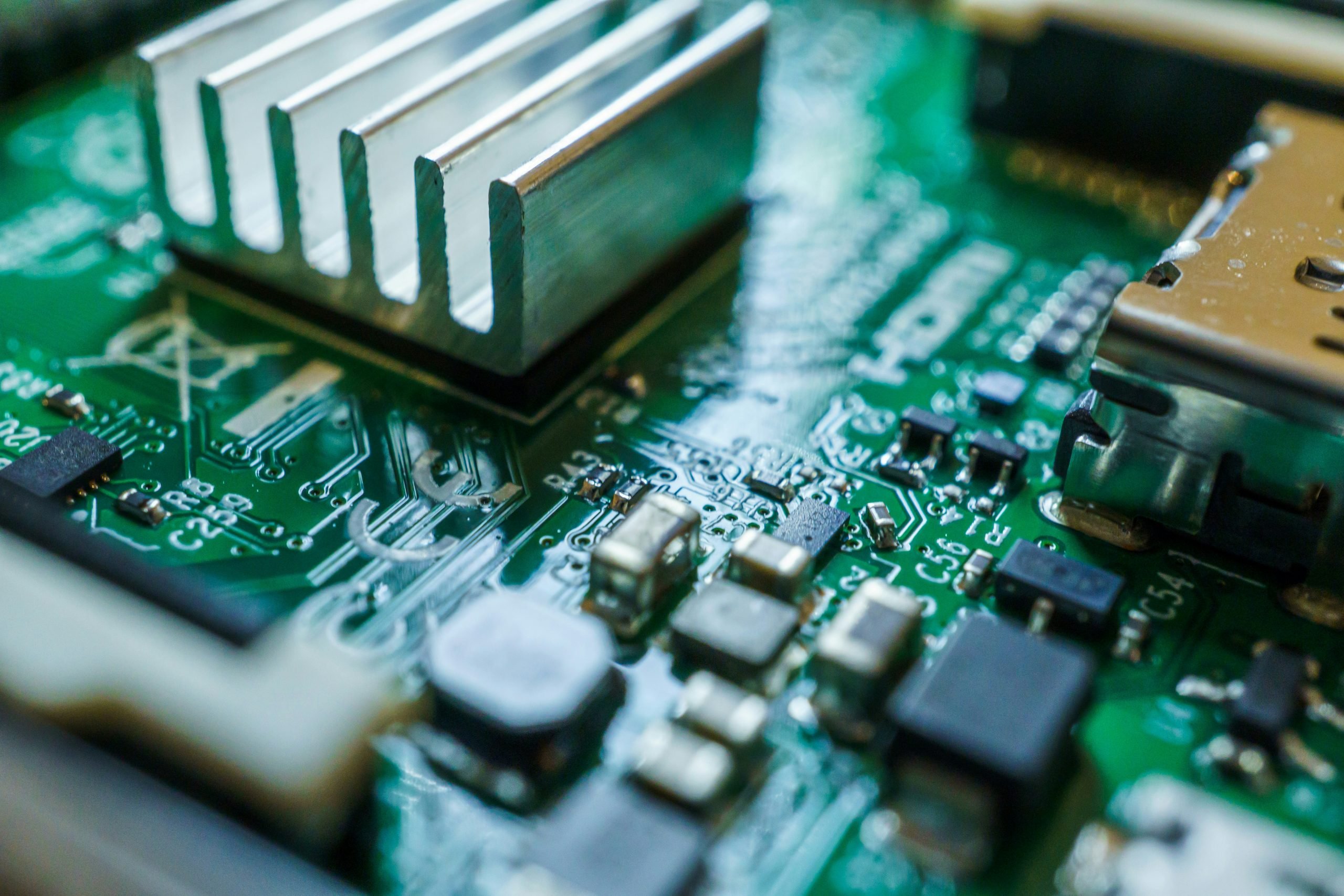
For many of its existence, the IoT system has had one job: accumulate information and ship it someplace else to be understood. That mannequin is beneath strain from two instructions directly, and the response from the business is changing into exhausting to disregard. Edge AI IoT gadgets–ones that course of and act on information domestically moderately than routing it to the cloud–are shifting from pilot programmes into mainstream product portfolios in 2026. The timing just isn’t unintended.
Cloud-dependent IoT has a price drawback that’s getting worse. The worldwide reminiscence scarcity, pushed by AI information centres consuming an unprecedented share of DRAM and NAND manufacturing, has pushed part costs to ranges which can be reshaping system economics throughout the board.
IDC has described the reallocation of silicon wafer capability towards high-bandwidth reminiscence for AI infrastructure as structural, not cyclical, with results anticipated to persist nicely into 2027. For IoT OEMs, meaning constructing merchandise that make extra calls to cloud infrastructure is changing into costlier at precisely the improper time.
A tool that may motive domestically, scale back cloud dependency, and function on a leaner reminiscence footprint is not a premium proposition. It’s a price administration technique. There’s a second strain that’s much less about price and extra about what IoT merchandise can credibly cost for.
As extra enterprise consumers anticipate recurring worth from linked gadgets, OEMs have been shifting towards subscription-based fashions the place ongoing intelligence justifies the price. A sensor that sends uncooked information is a {hardware} commodity. A tool that detects anomalies, flags upkeep wants, or makes operational selections domestically is a special product class with completely different pricing energy.
Edge AI is what makes that transition attainable at scale.
The market is voting with its product roadmaps
IoT Analytics known as 2026 the inflexion level for this shift in its semiconductor predictions, noting that OEMs would transfer from early pilots to broad portfolio refreshes marketed as edge AI-enabled gadgets.
That prediction is now exhibiting up in what corporations are literally delivery. MediaTek debuted its Genio platform for good retail at NRF 2026 in January, constructed round on-device generative AI for point-of-sale and stock techniques with no cloud requirement.
At Embedded World this week in Nuremberg, SECO unveiled a brand new system-on-module primarily based on MediaTek’s value-tier Genio 360 processor–particularly positioned for cost-sensitive embedded purposes the place native AI inference must be reasonably priced, not simply attainable.
The worldwide edge AI market was valued at US$24.91 billion in 2025 and is projected to succeed in US$118.69 billion by 2033, rising at a CAGR of 21.7%, based on Grand View Analysis.
Maybe the clearest sign of the place the market is heading got here in February, when Texas Devices introduced its acquisition of Silicon Labs, whose Collection 3 IoT platform delivers a tenfold enchancment in processing efficiency over its predecessor and is designed particularly for clever edge gadgets, together with wi-fi gateways, cameras, and wearables.
TI’s intent, based on business analysts at Futurum, is to fabricate these chips at scale by itself 300mm wafers to convey down per-unit price. When an organization of TI’s scale acquires an edge AI IoT platform and instantly focuses on making it cheaper to supply, it isn’t inserting a long-term wager. It’s responding to demand it may well already see.
The complexity that comes with it
The shift is actual, however it doesn’t arrive with out friction. Shifting intelligence onto the system solves the cloud dependency drawback and creates a completely different one: the right way to deploy, replace, and monitor AI fashions operating throughout giant, heterogeneous fleets of gadgets within the area, lots of which have restricted connectivity and no bodily entry.
Edge Impulse, which exhibited at IoT Tech Expo in London in February, has constructed its platform round precisely this problem, enabling AI inference throughout system sorts with out bespoke integration for every {hardware} variant. It’s a significant drawback, and the maturity of the software program ecosystem round it’s nonetheless catching as much as the {hardware}.
Not each IoT software wants on-device inference, and the case for edge AI is stronger in some verticals than others. Industrial predictive upkeep, good retail, and healthcare monitoring are nicely forward of good metering or primary environmental sensing. However the route of journey throughout the business is evident, and the financial forces accelerating it usually are not going away.
The reminiscence disaster has compressed what might need been a gradual transition into one thing extra pressing. For enterprise consumers and IoT product groups alike, the query is shifting from whether or not edge AI belongs in the roadmap to how shortly a reputable model of it may be in manufacturing.
The IoT system that simply sends information to the cloud is beginning to appear like the dumb terminal of this decade. The one which thinks for itself is already in manufacturing.
See additionally: Designing industrial IoT round measurable ROI

Wish to be taught extra concerning the IoT from business leaders? Take a look at IoT Tech Expo going down in Amsterdam, California, and London. The excellent occasion is a part of TechEx and is co-located with different main expertise occasions together with AI & Massive Information Expo and the Cyber Safety Expo. Click on right here for extra data.
IoT Information is powered by TechForge Media. Discover different upcoming enterprise expertise occasions and webinars right here.
