



Army installations had been anticipated to finish a spreadsheet in 2025 detailing a variety of utmost climate impacts.
Pure disasters at navy installations have brought about billions of {dollars} in harm over the previous decade, however the Protection Division started monitoring these prices only in the near past.
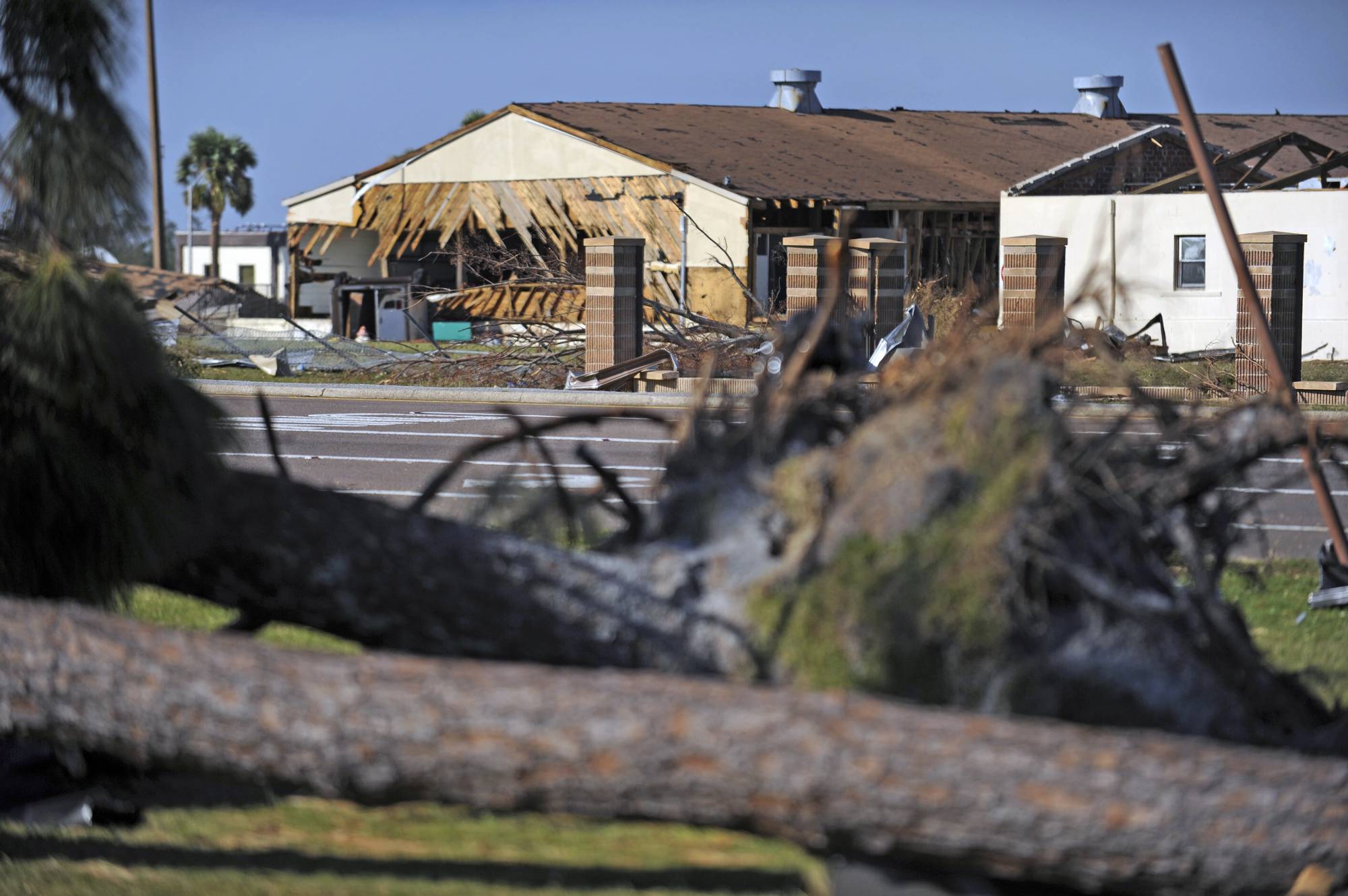
The Protection Division estimates that hurricanes, floods, wildfires, storms, and different excessive climate occasions have price the division at the least $15 billion in damages to navy installations over the previous decade. However the effort to gather information to raised perceive financial penalties of those occasions solely started in 2024, and the info stays incomplete and at occasions inaccurate.
In fiscal 2025, the workplace of the assistant secretary of protection for power, installations, and surroundings directed navy installations to finish a spreadsheet reporting the results of utmost climate. Particularly, it requested info on impacts to each constructed and pure infrastructure at installations and related prices, in addition to intangible results on coaching or mission readiness, comparable to well being impacts.
Army installations had been anticipated to ship that baseline information in December 2025, and ASD(EI&E) officers stated the division is working to transition from the spreadsheet to a web-based system in fiscal 2026, which might permit installations to replace info after the preliminary submission.
However the Authorities Accountability Workplace discovered that DoD’s information assortment doesn’t embrace all varieties of pure disasters that may inflict vital harm on navy installations.
DoD captures a variety of utmost climate occasions for reporting functions comparable to recurrent flooding, drought, wildfires, thawing permafrost and sea degree rise. Kristy Williams, director of protection capabilities and administration on the Authorities Accountability Workplace, stated the division defines excessive climate as these uncommon occasions at a specific place and at a specific time of 12 months that possess uncommon traits. However seismic occasions, for example, are usually not thought-about as an excessive climate occasion.
“As a result, the scope of DoD’s data collection excludes potentially billions of dollars in damage or recovery costs associated with natural disasters not covered by the definition for extreme weather,” the report reads.
As well as, the division doesn’t have a course of for amassing full and correct price information over time.
“Their baseline data collection is really a point in time, but if you look at the ability to get accurate estimates for disaster recovery, sometimes these costs may not be known until years following the disaster in some cases,” Williams informed Federal Information Community.
“We spoke with officials at Tyndall Air Force base where the incident occurred in 2018 but there are still recovery improvements going on to this day. So having that comprehensive look at the costs over time in addition to a full range of data we think will really allow the department to have the best handle on these costs associated with the events,” she added.
However Williams stated it’s a “promising move in the right direction” that the division has begun monitoring the results of utmost climate at navy installations.
Enhancing resilience as a part of catastrophe restoration
Whereas progress has been made to strengthen resilience as a part of the catastrophe restoration, comparable to bettering drainage methods or rebuilding amenities to soak up seismic power — these efforts haven’t been constant throughout the division.
In some instances, installations had been unable to pursue resilience upgrades as a result of they lacked important information or didn’t have adequate funding to cowl their restoration wants.
There’s a statutory requirement to include resilience into set up grasp planning efforts, and whereas installations are starting to implement that requirement — current steerage doesn’t deal with how the installations ought to use the grasp planning resilience info throughout catastrophe restoration.
“Efforts are underway — we found that 47 of the more than 500 installations had completed this requirement as of spring of 2025 and at least about 130 had efforts underway to do so. It’s progress and work and moving in the right direction. But additional guidance would be helpful to really clearly identify how these installations, once they have this information included in their master plans, should be using it from a disaster recovery perspective,” Williams stated.
Copyright
© 2026 Federal Information Community. All rights reserved. This web site isn’t supposed for customers positioned throughout the European Financial Space.
