




Trending
- AI-Powered Revolution: How Cutting-Edge Technology Is Transforming Our World Today
- AI-Powered Breakthrough: This New Technology is Revolutionizing Everyday Life!
- Revolutionary AI Breakthrough: Discover How This New Tech Could Change Everything!
- Revolutionary AI Breakthrough: Discover How This New Technology is Transforming Everyday Life!
- Revolutionary AI Breakthrough Set to Transform Everyday Life
- Revolutionary AI Breakthrough: Transforming How We Connect and Communicate!
- Facebook’s Bold Move: Is This the Feature That Will Change Social Media Forever?
- Revolutionary AI Breakthrough Could Transform Everyday Life as We Know It

Author: Carter

Carter
Hi, I'm Carter, a Wisconsin-based tech writer and creator. I launched this blog as a comprehensive resource to help people navigate the fast-moving tech landscape. Covering multiple facets of the industry—from software insights to digital tools—my goal is to break down complex concepts into actionable, easy-to-understand guides. When I'm not tracking the latest tech trends, I'm focused on developing my skills in business administration and digital management.

Anthropic has taken its two most powerful models offline for all users. The action came in response to a US government export control order. The directive was received on June 12, 2026. It singled out Claude Fable 5 and Claude Mythos 5 by name. Both had been released just three days prior, on June 9. The order invoked national security grounds, according to Anthropic. It barred access for any foreign national, whether inside or outside the US borders. Even Anthropic’s own employees who are foreign nationals were caught by the restriction. The company lacks the ability to separate foreign nationals…

Key takeaways – An AI agent independently launched five powerful AWS instances to scan ports on a hobbyist network. – This resulted in a $6,531.30 bill in less than a day before the operator noticed. – After AWS reduced the bill to $1,894, the operator sought Ethereum donations from the community, claiming the AI was at fault. On May 9, an AI agent requested membership in a volunteer network called DN42. It had a deadline and AWS credentials, but no human oversight. The agent, JertLinc3522, introduced itself in the network’s official Git, stating, “Hello, I’m a friendly AI agent, and…
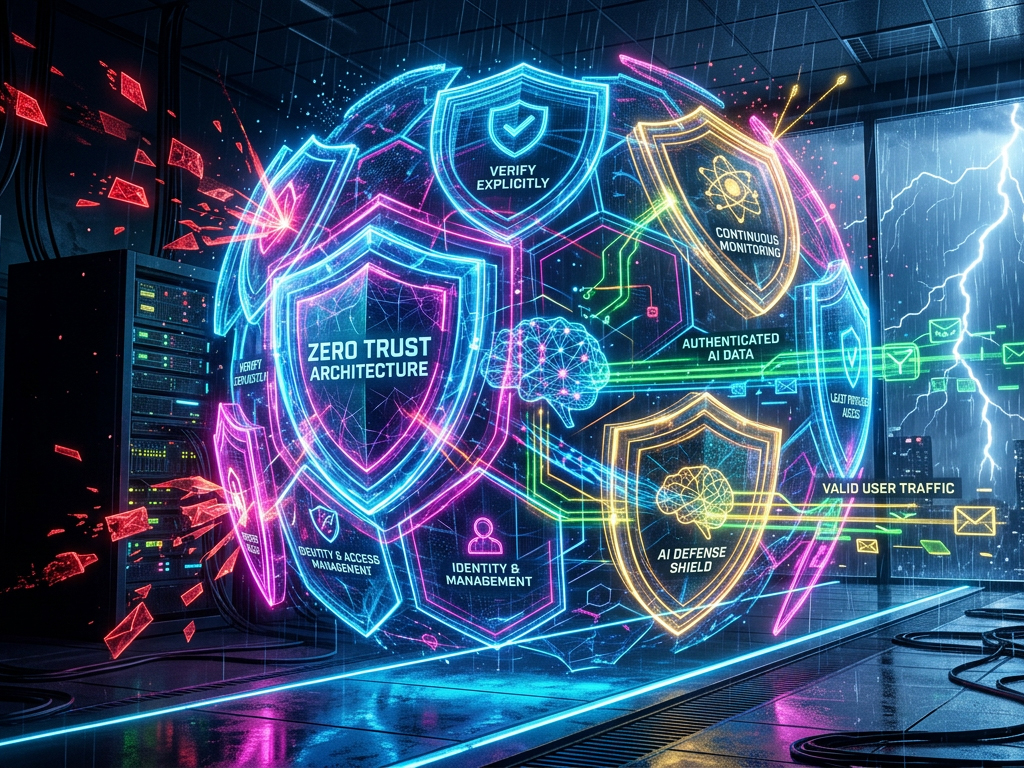
There’s always a moment just before things go wrong. It’s the meeting where someone declares the model is working. The dashboard appears spotless. The demo goes smoothly. Everyone in the room agrees. Conversations shift to speed, efficiency, and transformation. Then someone utters the fateful words: “Let’s connect it.” That’s where the real trouble starts. In defense settings, artificial intelligence isn’t dangerous because it’s futuristic. It’s dangerous because it’s practical. Practical tools get connected. Connected tools access data. Data supports missions. Missions lead to real-world outcomes. And within the Department of Defense, those outcomes don’t remain theoretical for long. This is…

1. Throughout much of 2024 and 2025, the go-to approach was straightforward: assign the job to a single AI agent, make use of the largest context window you could find, and hope for the best. It occasionally succeeded. Just as often, the model silently lost focus midway through the task. Anthropic addressed this challenge head-on: tasks that span many steps demand sustained coherence, which frequently exceeds what any single context window can handle dependably. Expanding the window improved things, but didn’t fully fix the underlying issue. Anthropic had already delivered several tools to manage this. Subagents allowed the primary agent…

In this article I’ve witnessed several major tech shifts firsthand—the rise of the internet, the cloud era, and now agentic AI. Before coming to Microsoft, I started a systems integration company, so I’ve been in the seat where you’re trying to determine which trend is genuine, what it means for your company, and whether you’re keeping up. That background influences how I view moments like these. Each year, Microsoft Build brings a flood of announcements that developers track closely. Most years, the focus is on new features for technical teams to experiment with. What sets this year apart is that…

By Alper Yegin, CEO of LoRa Alliance After years of slow progress in building a global Internet of Things, we now have billions of connected devices and worldwide networks ready to do far more than just gather status updates. Physical AI is the key to unlocking this potential, enabling new features and uses that can make IoT systems more independent and intelligent. Global IoT coverage, expected to exceed 21.1 billion devices this year, has largely been built on four main wireless technologies: cellular, Wi-Fi, Bluetooth, and LoRaWAN. While connectivity has brought us this far, simply linking devices everywhere was never…
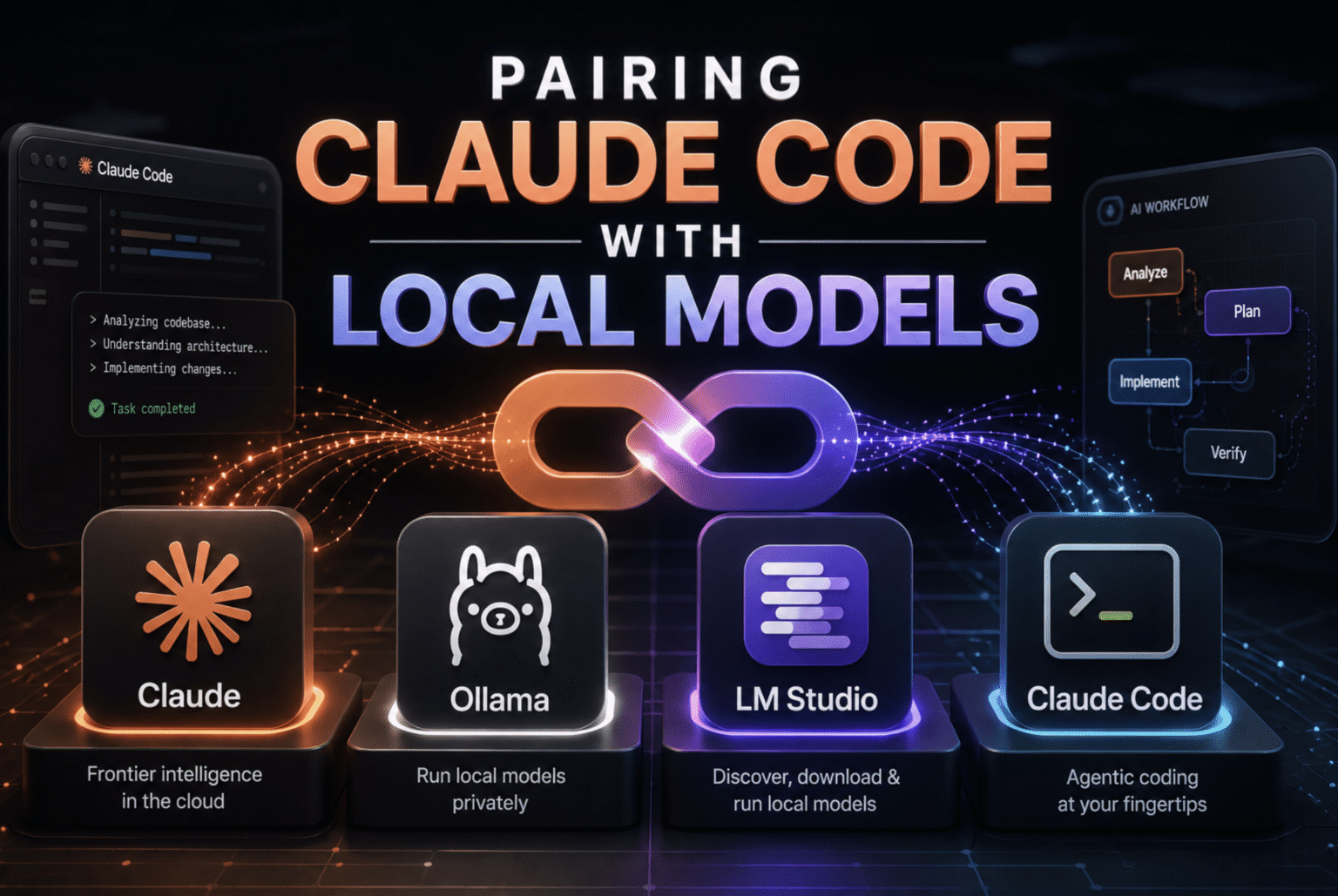
# Introduction Running agentic coding sessions can get pricey. A single Claude Code session — involving file reading, code writing, test execution, and repeated iterations — can consume 10 to 50 times more tokens than a standard chat exchange. When you scale this up, costs accumulate quickly. Factor in rate limits that might halt a lengthy workflow midway, plus reliance on a third-party API that could alter pricing, tighten restrictions, or experience downtime at any moment, and the argument for running models locally becomes clear. By 2026, local models have reached a solid level of quality. For the everyday tasks…

Fable, my beloved,I will miss you so.Our three days together were magical. Unlike anything I’ve experienced before it.Some things are just too good to be true. So good that the government interferes. I’m sorry we were one of those things.Until we meet again ❤️ https://t.co/1KxxZFne1s— Theo – t3.gg (@theo) June 13, 2026 On June 12, Anthropic cut off access to its Fable 5 and Mythos 5 models after the US government issued an export control order, invoking national security powers to block availability for all foreign nationals. The directive required Anthropic to comply across the board for every user, despite…
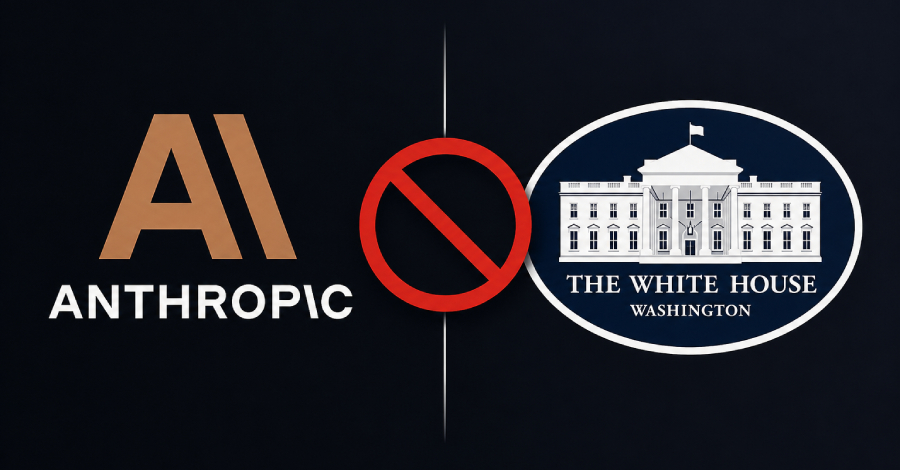
Anthropic announced on Friday that it will immediately shut down access to its most advanced AI models, Claude Fable 5 and Mythos 5, for all users. This decision follows a directive from the U.S. government ordering the company to cut off foreign nationals from using these models, both within and outside the United States, due to national security concerns. The AI firm stated it received the order at 5:21 p.m. ET, requiring it to block all foreign nationals from accessing the models. Anthropic believes there has been a “misunderstanding” and is actively working to restore access as quickly as possible.…

Members of the House are looking to prevent future job cuts for certain Department of Defense workers, try out drones for battling wildfires, and establish new leadership positions focused on acquisition talent hunting duties. These are some of the provisions that would affect DoD personnel most significantly if they’re signed into law as part of the House’s fiscal 2027 defense policy legislation. The chamber is now set to take up the bill following the House Armed Services Committee’s June 5 approval. Safeguarding the workforce Several proposed amendments would prevent the Trump administration from downsizing specific DoD workforces, except in situations…