




Trending
- Revolutionary AI Breakthrough Promises to Transform Everyday Life Forever
- Revolutionary AI Breakthrough Could Change How We Interact With Technology Forever
- Revolutionary AI Breakthrough Promises to Transform Everyday Life in Unimaginable Ways
- Revolutionary AI Breakthrough Promises to Transform Every Industry as It Learns to Think Like Humans
- Revolutionary New Tech Breakthrough Promises to Change How We Live Forever
- Revolutionary AI Breakthrough Set to Transform Everyday Life in 2024!
- Revolutionary AI Breakthrough: Is This the Future of Everyday Technology?
- Tech Giants Unveil Groundbreaking Innovations That Could Transform Our Everyday Lives

Author: Carter

Carter
Hi, I'm Carter, a Wisconsin-based tech writer and creator. I launched this blog as a comprehensive resource to help people navigate the fast-moving tech landscape. Covering multiple facets of the industry—from software insights to digital tools—my goal is to break down complex concepts into actionable, easy-to-understand guides. When I'm not tracking the latest tech trends, I'm focused on developing my skills in business administration and digital management.

Key Takeaways Identiv is set to divest its IoT assets — among them a German R&D facility, a Thai subsidiary, and $25 million in cash — to Trackonomy Systems for $50 million worth of preferred equity in Trackonomy. The transaction is anticipated to be finalized in the third quarter or early fourth quarter of fiscal 2026. Once the divestiture is complete, Identiv will pivot toward becoming a SaaS and physical AI enterprise, targeting acquisitions of compliance-focused SaaS companies in regulated sectors while still benefiting financially from its equity position in Trackonomy. Identiv, a provider of IoT solutions built around RFID…

The ARM Institute serves as a nonprofit group, working to be a trusted intermediary among robotics and manufacturing partners. | Credit: ARM Institute The Advanced Robotics for Manufacturing (ARM) Institute has rolled out an upgraded version of its RoboticsCareer.org platform, placing a stronger focus on physical AI. With this update, the organization stated its goal is to clarify the skills and training required to collaborate with physical AI systems. RoboticsCareer.org now features a broader range of job openings in this field and helps employers tap into a pool of qualified candidates. These updated features are live now. “Physical AI represents…

OpenAI’s financial future depends significantly on managing infrastructure expenses, a pressing concern that spurred the creation of its custom “Jalapeño” chip. Built in partnership with Broadcom, this application-specific integrated circuit (ASIC) is a deliberate move to reduce the steep costs of relying on third-party hardware. Nvidia enjoys profit margins estimated at 75% on its premium chips, whereas OpenAI faces slimmer margins—retaining about 33 cents in profit per dollar earned after covering enormous running costs. The economic challenge of operating large language models at a massive scale is formidable. Maintaining ChatGPT’s server responsiveness cost OpenAI a colossal $8.4 billion last year. With weekly…
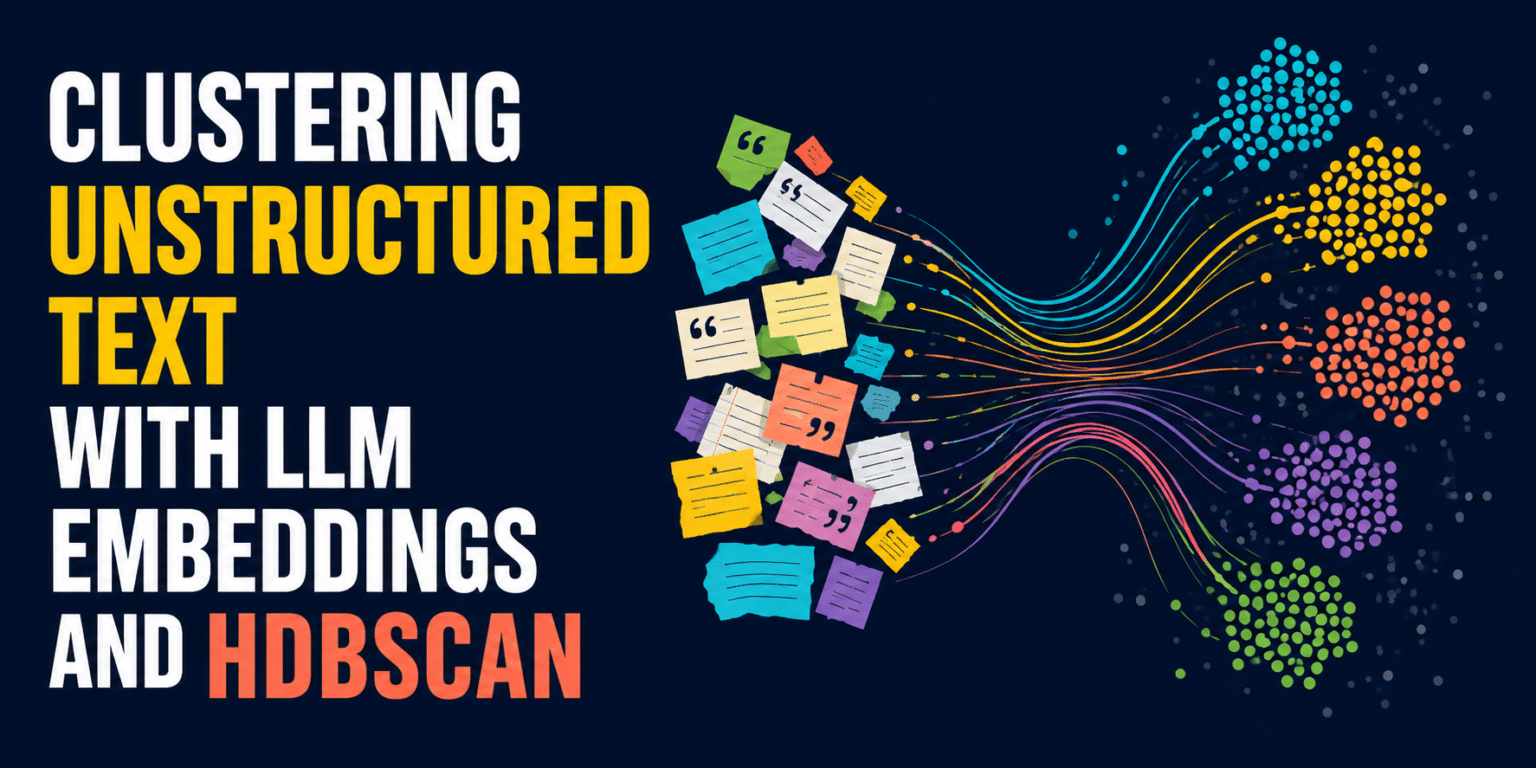
Throughout this guide, you’ll explore how to create a text clustering system by merging large language model embeddings with HDBSCAN—a density-based clustering method—to automatically identify topics within unlabeled text collections. Key areas we’ll address: How to produce text embeddings from raw documents using a pre-trained sentence-transformers model. How to lower the dimensionality of those embeddings using UMAP to get them ready for clustering. How to leverage HDBSCAN to automatically detect topic clusters and display the outcomes visually. Clustering Unstructured Text with LLM Embeddings and HDBSCAN Overview The present wave of Generative AI tends to revolve around chat interfaces and prompt…

By the time 2036 rolls around, the world of Bitcoin mining will be virtually unrecognizable from what it looked like just five years prior—let alone a decade. The archetype of Bitcoin miners that defined the scene in the early-to-mid 2020s has completely faded away. Back then, these largely public corporations sought massive quantities of low-cost electricity, primarily in developed nations, hoping to scale and monetize these operations for profit. These entities neither produced their own power nor typically engineered or fabricated their ASIC hardware. Instead, they hunted for favorable electricity rates from utility providers, secured tracts of land situated near…

AI agents do much more than just respond to queries. They can surf the web on their own, scan emails, dig through corporate documents, query software platforms, and perform a wide range of tasks. AI models giving inaccurate responses isn’t really a serious problem—until agents run through content that has been deliberately crafted to distort what they perceive, believe, retain, or carry out. An agent draws on webpages, document repositories, wikis, images, emails, and various tools to generate its intended results. But what if some of these sources contain hidden malicious directives? These pitfalls trick AI agents into misinterpreting information…

President Donald Trump’s pick for the Pentagon’s second-highest acquisition post seems to be a Navy Reserve intelligence officer who lacks extensive experience overseeing weapons procurement or military equipment maintenance. In April, Trump selected Matt O’Malley to take on the role of deputy undersecretary of defense for acquisition and sustainment — a position that oversees hundreds of billions of dollars and military assets across every continent. Should the Senate confirm him, he would play a pivotal role in procurement decisions as the Defense Department pushes forward with modernization efforts spanning nuclear weapons to IT systems, all in preparation for a potential…

Manufacturers have pumped resources into networked sensing devices, equipment monitoring systems, and real-time dashboards to build a sharper picture of what’s unfolding across their facilities. These investments have paid off, empowering teams to spot inefficiencies, cut down on unexpected outages, and address issues with greater speed. Nowadays, though, industrial enterprises are pushing past mere visibility, turning their attention toward technologies capable of reacting on their fly as circumstances shift. The majority of industrial settings already produce far more data than any team could reasonably sift through step by step. Increasingly, the real demand is for faster, better-targeted interventions the moment…
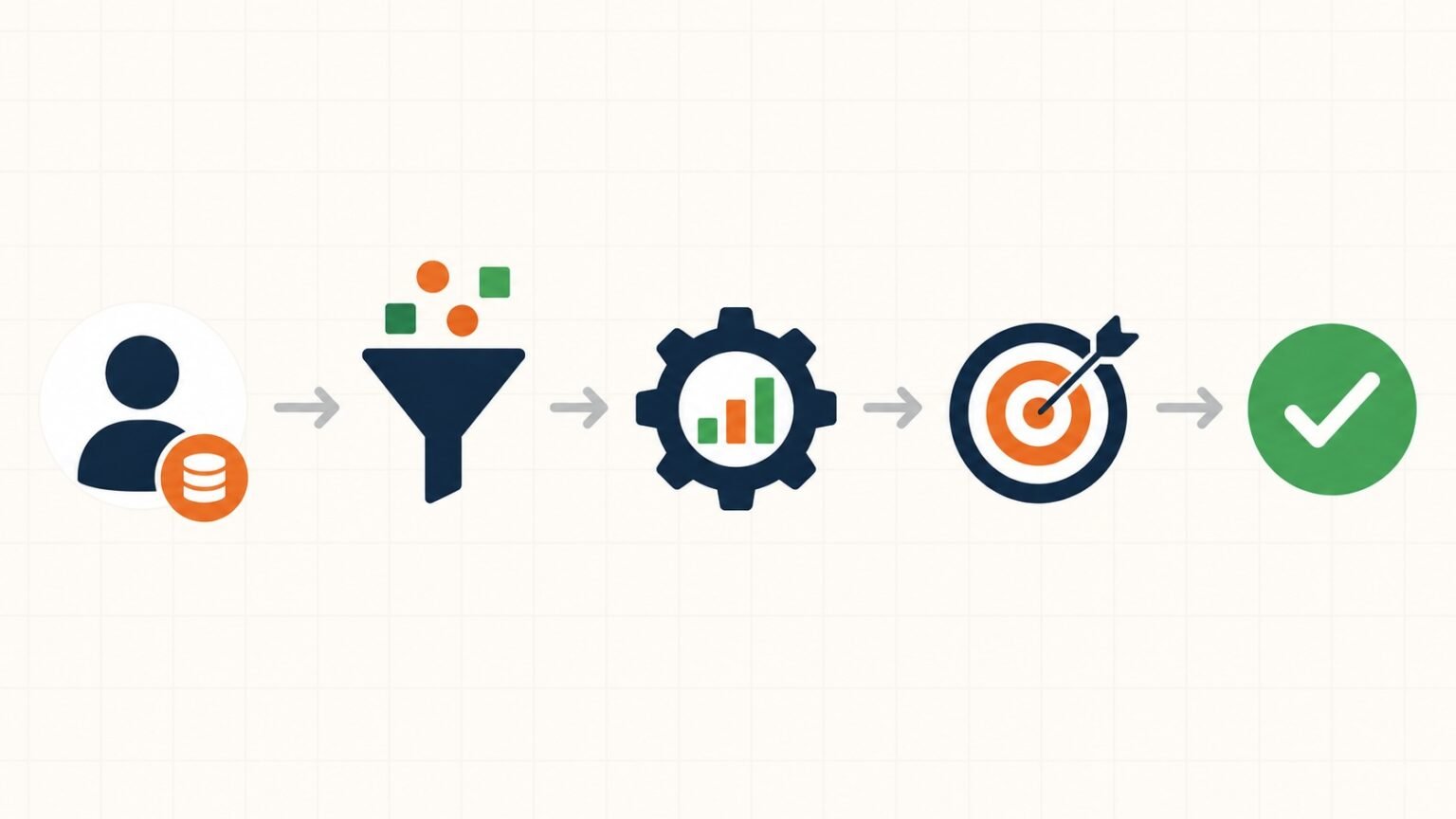
All the code referenced in this article can be found on GitHub. The business logic and modeling functions live inside the src/selection directory, in this particular file: src/modeling/score_computation.py The related analysis and findings are recorded in: 09_score_computation.qmd The visuals, tables, and charts were created with assistance from the Codex coding tool. Your credit score trails you at every turn. It determines whether you qualify for a loan, a credit card, or even a rental apartment. The engine powering the majority of these decisions is FICO. Its underlying logic is straightforward once you unpack it. FICO factors in five areas: Payment…
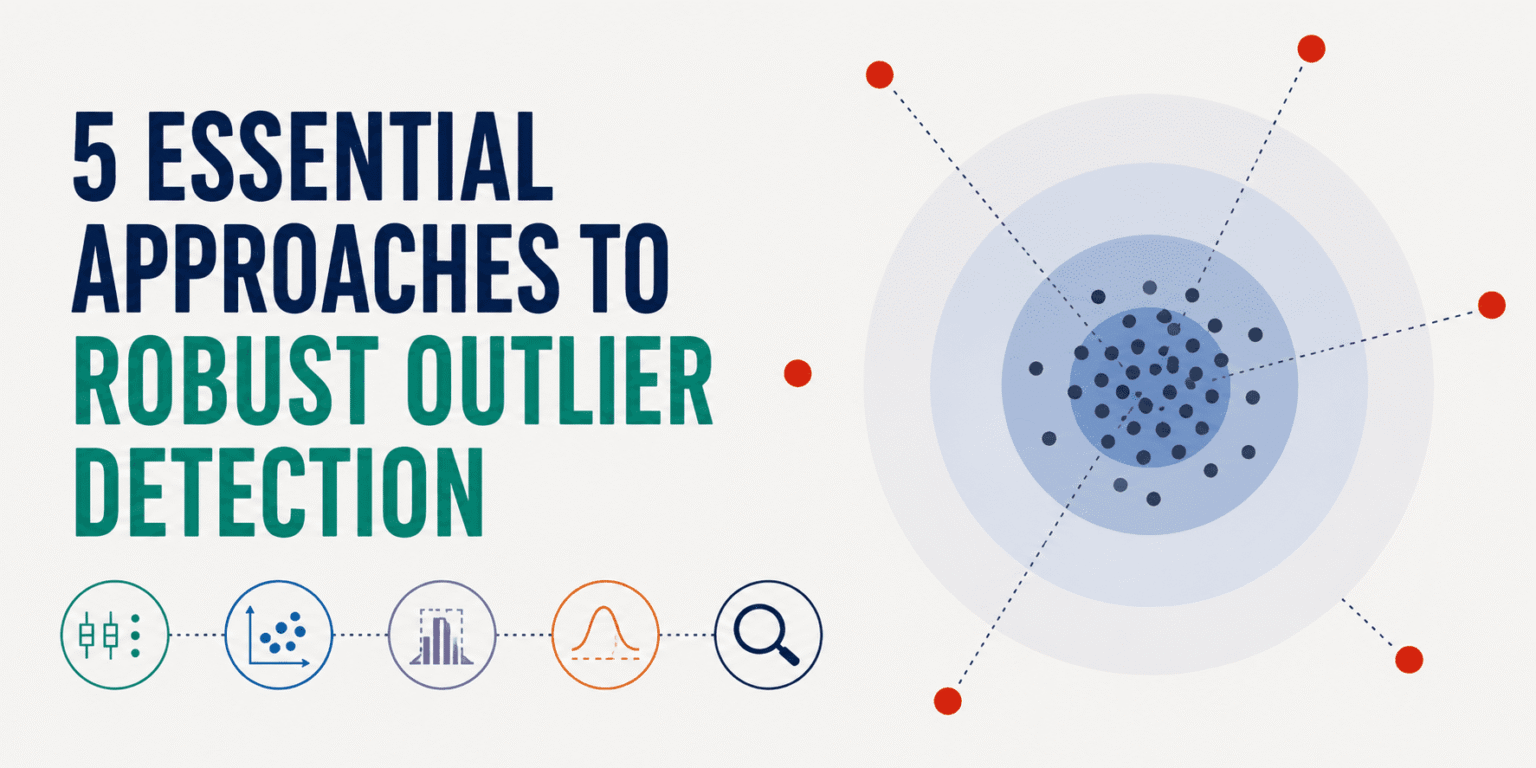
# Introduction Have you ever stumbled upon strange data points while sifting through a dataset? One or a handful that appear unusually distinct from the bulk of observations, pulling your averages off-center and blowing up your variances? I’ve experienced that myself. These data points are known as outliers. Their influence goes beyond distorting summary statistics: outliers can severely degrade the performance of any predictive model you construct, making their reliable detection and handling a critical step in every data project. This guide walks through and contrasts five key techniques for spotting them, each accompanied by a brief Python demonstration. # 1.…