



# Docker Hub Security Gap Exposed Container Repositories to Unauthorized Access for Over Two Years
A major security flaw in the Docker Hub registry allowed one user to secretly push, pull, or delete container images as another user. The vulnerability, discovered by independent security researchers, existed in the system that converts personal accounts into organizations. Docker patched the issue on September 30 and confirmed that there is no evidence anyone took advantage of the bug during its lifespan.
## How the Hidden Flaw Worked
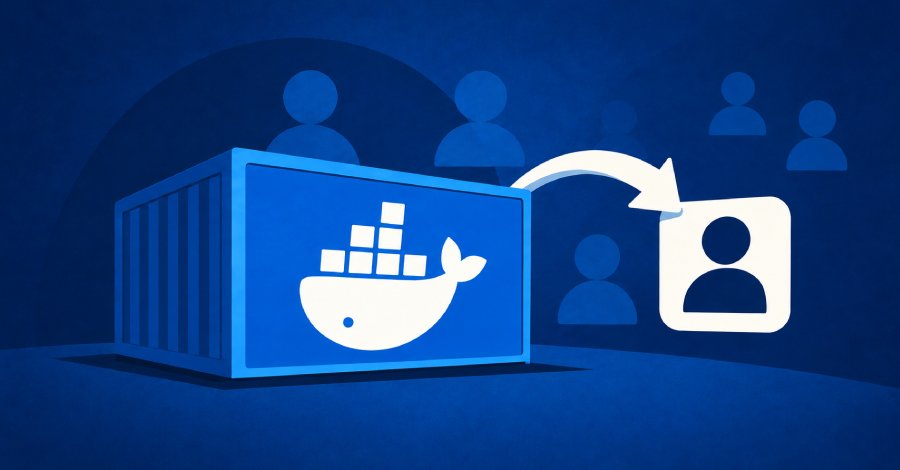
When a user decides to turn their personal profile into an organization, Docker automatically hands over the account’s special access keys—known as Personal Access Tokens (PATs)—to the person chosen as the organization’s owner. A PAT acts like a password that allows software to interact with the registry on a user’s behalf.
The critical error was that this transfer happened silently. The system changed the owner of these tokens without asking the original creator for permission, and it never sent a notification to alert them. Furthermore, the secret codes inside the tokens remained unchanged.
An attacker could exploit this by creating a token under their own control, converting their personal account into an organization, and then naming an unsuspecting victim as the owner. The token would then magically gain the power to work inside the victim’s account.
## The Scope and Severity of the Risk
The bug remained unpatched for over two years, from late August 2024 until September 30 of this year. Because the access was tied directly to the registry, attackers could read private image libraries, upload new images, or delete existing ones using the victim’s identity.
Security experts rated the flaw as critical, giving it a severity score of 9.4 out of 10. The main reason for the high rating was the ability to publish images under a legitimate developer’s name. If an attacker pushed malicious software using a trusted user’s credentials, other developers might unknowingly download and use that harmful code in their own projects.
## The Investigation and Cleanup
After receiving the report from researchers Peter Molnar and Krisztian Hozak, Docker deployed the fix in less than four hours. The company then conducted a massive audit, reviewing hundreds of thousands of registry actions performed during the vulnerable period to look for any signs of tampering.
Docker analyzed every image push made with the transferred tokens, checked for malicious code in public images, and reviewed the activity logs. Ultimately, the company concluded that no one had exploited the flaw to steal data or push harmful software. To be safe, Docker automatically deactivated all the at-risk tokens on October 8, though tokens that owners explicitly asked to keep were left active.
## What Users Need to Do Now
Even though no breach was found, Docker recommends that all affected users take a moment to secure their accounts. Users should log into their settings, review their list of active access keys, and revoke any tokens they do not recognize or no longer need.
For teams and businesses, it is strongly advised to use organization-level access tokens instead of individual ones for automated workflows. Organization tokens are managed by the team and are not tied to a single person’s personal account, which helps prevent similar ownership confusion in the future.
## Frequently Asked Questions (FAQ)
**Q: What exactly is GhostPat?**
A: GhostPat is the name given to the vulnerability that allowed personal access tokens to be secretly transferred to a new owner when a Docker account was converted from a personal profile to an organization.
**Q: Was any malware actually pushed to Docker Hub using this flaw?**
A: No. Docker thoroughly reviewed the registry logs and checked public images for malicious code, finding no evidence that attackers exploited the vulnerability to push malware or tamper with repositories.
**Q: Did this bug allow hackers to steal my Docker Hub password or take over my web account?**
A: No. The flaw was strictly limited to the container registry. It did not affect the web interface, meaning attackers could not change your password, email address, or two-factor authentication settings.
**Q: Why was the vulnerability considered critical if no one was hacked?**
A: It was rated critical because of its extreme potential impact. The ability to publish container images under a legitimate developer’s name could have allowed attackers to trick thousands of users into downloading malicious software.
**Q: How can I tell if my account was affected?**
A: Docker sent emails to the users whose accounts received transferred tokens. If you did not receive an email from Docker regarding this issue, your account was not exposed. You can also check your account settings to see if there are any organization access tokens you did not create yourself.
## Conclusion
The Docker Hub flaw highlights the hidden dangers of automated credential transfers in cloud platforms. By silently changing the ownership of access keys without consent or notification, the system created a window of opportunity for potential account hijacking that lasted for years. While the quick response from Docker and the lack of real-world exploitation are reassuring, this incident serves as a vital reminder for developers to regularly audit their access tokens. Moving forward, Docker has added mandatory consent steps and notification alerts to prevent similar permission errors. Staying proactive with security checks remains the best defense against these kinds of silent vulnerabilities.
Thank you for reading
