



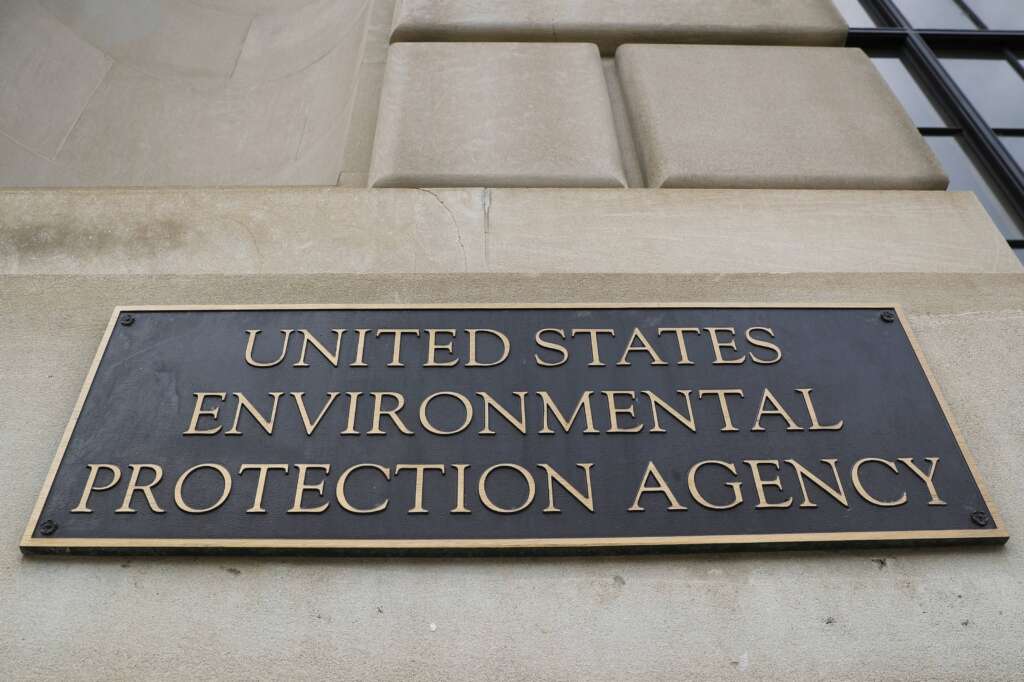
A major federal union has filed a lawsuit seeking the reinstatement of a collective bargaining agreement it lost after a federal environmental agency abruptly canceled its contract last year. The American Federation of Government Employees (AFGE) Council 238, which represents roughly 8,000 workers, argues that agency leadership violated both the Administrative Procedure Act and the First Amendment by ending its union contract in August.
The suit contends that the agency retaliated against employees who exercised their constitutional rights by signing a declaration of dissent against the current administration in June 2025. The legal filing argues that the agency waited months after the dissent letter was published before beginning disciplinary proceedings, doing so only after dissolving the union agreement.
As a result of these actions, 139 employees faced consequences, with 20 being terminated and 119 placed on unpaid suspension. Because the collective bargaining agreement had already been terminated, the impacted workers lost their right to union representation during the proceedings and were stripped of the ability to challenge adverse actions through third-party arbitrators.
The termination of the contract has had profound ripple effects across the agency. Without the protections of a union contract, staff faced unilateral reassignments following the dismantling of a key research office. Some employees resigned or retired using voluntary separation incentives, while others were left without a voice in the process. A union representative noted that the abrupt cancellation meant the agency had no briefing or discussion before implementing the changes, leaving workers with no opportunity to negotiate safer landing places for their careers.
The agency’s action aligns with a broader executive directive instructing most federal agencies to void union contracts, citing a narrow legal provision that allows such cancellations on “national security” grounds. The union argues the termination “caused substantial harm,” wiping out numerous rights and benefits enshrined in the agreement, which was originally set to run until 2028 and included a new provision on scientific integrity. The union’s legal efforts are part of a wider trend, as other agencies have also ended their agreements, prompting additional lawsuits from labor organizations representing workers at the Departments of Veterans Affairs and Defense.
***
**Frequently Asked Questions**
**Q: What is AFGE Council 238?**
A: It is the local union chapter representing approximately 8,000 employees at the Environmental Protection Agency (EPA).
**Q: Why did AFGE file the lawsuit?**
A: AFGE filed the lawsuit to restore its collective bargaining agreement, alleging the agency violated federal regulations and constitutional rights by terminating the contract and retaliating against workers who signed a dissent letter.
**Q: What happened to the employees who signed the dissent letter?**
A: 139 employees were disciplined by the agency. Specifically, 20 employees were fired, and 119 were suspended without pay.
**Q: How did losing the collective bargaining agreement affect the disciplinary process?**
A: Since the contract was canceled before the disciplinary actions were completed, the affected employees lost their right to union representation during the proceedings and were unable to escalate their grievances to independent third-party arbitrators.
**Q: What other impacts has the loss of the agreement had on the EPA?**
A: The loss of union protections allowed the agency to unilaterally reassign staff and dismantle certain offices without negotiation. Many employees have since resigned or retired using voluntary separation incentives, and the agency’s overall workforce has dropped by over 4,500 employees.
***
**Conclusion**
The lawsuit highlights the deepening friction between federal labor organizations and executive directives aimed at dissolving collective bargaining agreements. As agencies navigate the cancellation of long-standing union contracts, the immediate consequences for employees—including the loss of representation during disciplinary proceedings and unilateral work reassignment—continue to unfold. The legal battle seeks to hold the agency accountable for its process and restore the rights of the workforce, but the broader shift in federal labor relations remains a subject of intense legal and political debate.
Thank you for reading
