



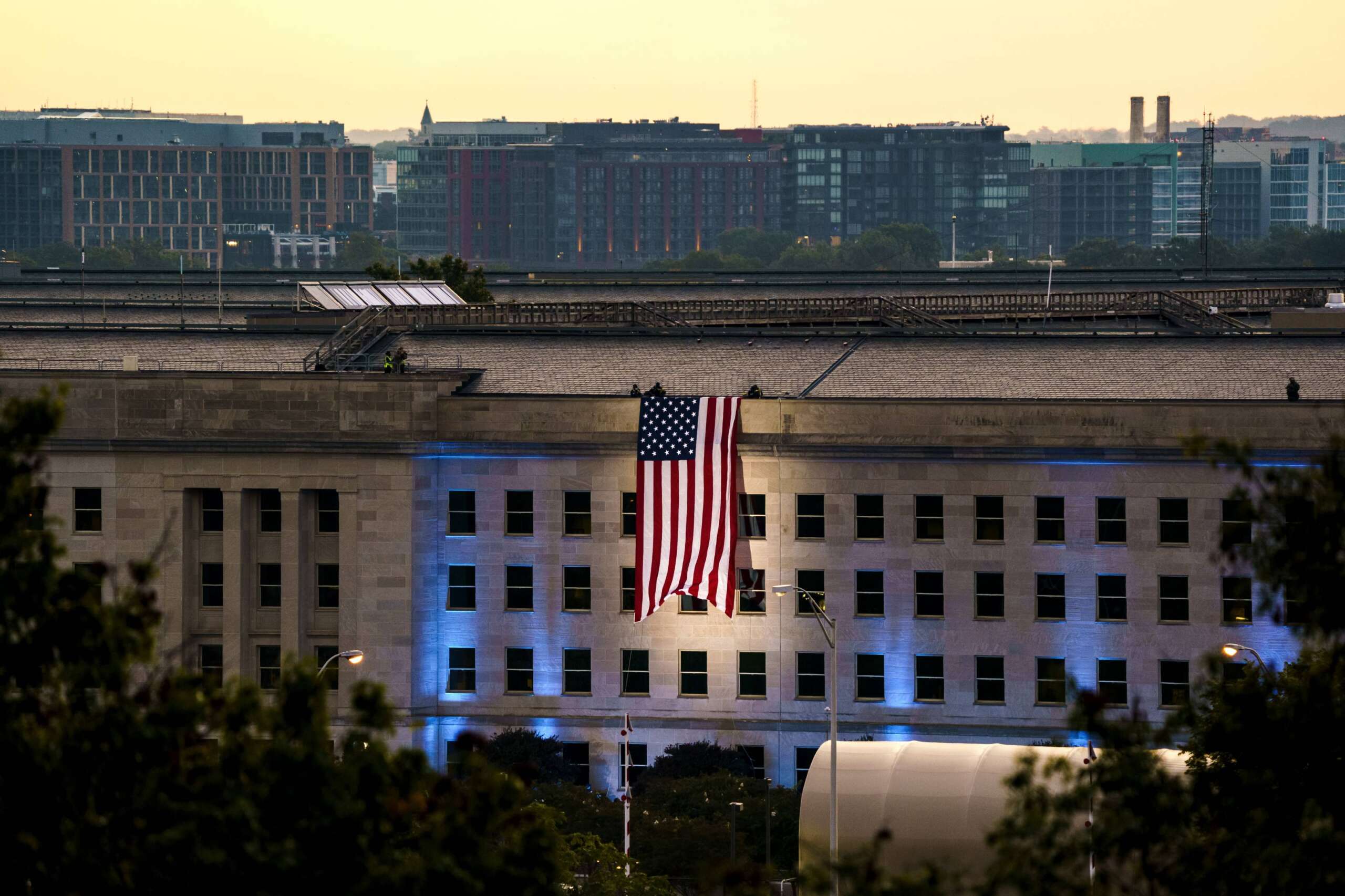
# A Day That Changed Everything: Federal Workers Remember September 11, 2001
## A Morning That Will Never Be Forgotten
Twenty-three years ago, the ordinary rhythm of a Tuesday morning across America was shattered in ways that no one could have anticipated. For federal employees scattered across the country, that day became a turning point — not only for the nation but for their own lives and careers in public service.
The morning began unremarkably for most. Some were settling into offices, sipping coffee, reviewing budgets. Others had the day off, looking forward to quiet time at home. But by mid-morning, the unthinkable had unfolded, and every federal agency in the country felt the impact — directly or indirectly.
Federal News Network reached out to those who lived through that day while serving their country, gathering firsthand accounts that paint a vivid portrait of shock, grief, resolve, and resilience.
## First Moments of Uncertainty
For many federal workers, the morning started with confusion. One employee stationed at Fort Huachuca in Arizona woke up, turned on the television, and watched in disbelief as the events unfolded in New York and Washington. The confusion at the gatehouse was palpable — security personnel had no clear guidance and were left wondering how to respond. Colleagues gathered in the building, glued to the television screen, grappling with the same questions everyone else was asking. What was happening? Who was responsible? Would there be more?
This worker, employed in the Army budget office, recalled a particularly haunting connection: the Pentagon, just one of the buildings in the same sprawling complex where the defense budget was managed, had been struck by a hijacked aircraft. The personal and professional stakes had never felt so dangerously close. After the shock set in, the order came to go home. The following day, the staff returned to fulfill a responsibility that felt strangely out of place — closing out the fiscal year.
Others were not even at their offices when the attacks occurred. One manager at the Office of Management and Budget happened to be away that day but was profoundly affected by what followed. Within weeks, a draft of what would become the Patriot Act landed on the desk for review. The legislation was vast and complex, pulling together authorities that intelligence and law enforcement agencies had long sought but had previously been denied due to civil liberties concerns. The atmosphere had shifted dramatically. In the wake of the attacks, the political calculus had changed overnight.
That manager took a careful approach, suggesting the inclusion of sunset provisions for the most controversial parts of the legislation. The idea was simple but powerful: given the extraordinary circumstances, rather than blocking individual measures, build in expiration dates that would require Congress to revisit and reauthorize them. The response was immediate and supportive. The administration ultimately agreed to include 16 provisions with built-in expiration dates. Though the Patriot Act itself has since expired, the concept of sunset clauses endured and remains part of Section 702 of the Foreign Intelligence Surveillance Act to this day — a quiet but lasting legacy of that period of deliberation.
## A New Mission and a New Purpose
The attacks on September 11 gave birth to an entirely new department of government — the Department of Homeland Security — and transformed the work of agencies that already existed. For those building the institutional framework from the ground up, the day became a mission statement in itself.
One federal officer who served as the first chief information officer at the Federal Law Enforcement Training Center described the moment leadership gathered after the first plane struck the World Trade Center. The directive was clear and resolute: support the men and women in blue. And they did. The attacks imbued the training center’s work with a new and deeper meaning. The officers being trained were no longer simply enforcing laws — they were standing on the front lines of homeland defense against threats that had previously existed only in the realm of imagination. In the months and years that followed, training facilities expanded and capacity grew to meet the demands of a nation at war.
The lessons drawn from that day were many, but perhaps the most enduring was the importance of adaptation and collaboration. Government agencies had to learn to work together in ways they never had before, breaking down silos and sharing information across jurisdictional boundaries. Progress has been made, but as one account noted, there is still much work to do.
## An International Tragedy
The scope of the September 11 attacks extended far beyond American shores. One federal worker who was in New York on that day described how the city’s response quickly evolved into an international effort. Victims came from approximately ninety different nations, turning what might have been perceived as a purely local or national crisis into a global emergency. The work of identifying victims, coordinating with foreign governments, consulates, and families searching for loved ones became a months-long and years-long endeavor. The weight of that responsibility, the accounts confirm, never truly lifted.
## Personal Moments and Lasting Impact
Not every account centered on action and policy. Some were deeply personal. One federal worker recalled having the day off — planning a lazy morning with a bowl of cereal and the news. When the first plane struck, the morning went from peaceful to unfathomable in moments. It was, as one person put it, the end of an era in America.
Another federal employee, on the phone when the first plane hit, initially assumed it was an accident. When the second aircraft struck, the reality became undeniable. This person immediately called family and then rallied colleagues, heading into the city to help in whatever way they could — wearing government jackets so they could be identified and trusted.
## Honoring Memory and Service
Twenty-three years later, the federal workforce that served on and after September 11 has aged, retired, and in many cases, mourned the loss of colleagues and friends. But the spirit of service that defined that era continues to shape how federal agencies approach their work. The attacks prompted a fundamental rethinking of national security, emergency preparedness, intelligence sharing, and the balance between safety and liberty.
Those who remember that day carry it with them still. They remember the faces of those who were lost. They honor the sacrifices of those who continue to serve. And they ensure that the lessons of September 11 are not forgotten.
—
## Frequently Asked Questions
**Q: What federal agencies were most affected by the September 11 attacks?**
A: Nearly every federal agency felt the impact of September 11, either through the direct loss of personnel, a shift in mission, or the creation of new responsibilities. Agencies such as the Department of Defense, the Office of Management and Budget, the Federal Law Enforcement Training Center, and the newly created Department of Homeland Security were particularly transformed in the aftermath.
**Q: How did the Patriot Act come about in relation to federal employee input?**
A: Federal employees, particularly those at the Office of Management and Budget, played a key role in reviewing proposed legislation in the weeks following the attacks. Rather than opposing broad new authorities, some officials recommended adding sunset provisions that would require periodic congressional reauthorization, ensuring ongoing oversight.
**Q: What lasting changes in federal policy resulted from September 11?**
A: The creation of the Department of Homeland Security, the expansion of intelligence-sharing protocols, the establishment of the Transportation Security Administration, and the overhaul of federal emergency response frameworks were among the most significant policy changes. Sunset clauses for surveillance authorities also became a notable legacy of the legislative process that followed.
**Q: How many nations were affected by the loss of life on September 11?**
A: Victims came from approximately ninety different countries, making the attacks an international tragedy that required coordination with foreign governments and consulates for years afterward.
**Q: What is the significance of the Federal Law Enforcement Training Center’s expanded role after 9/11?**
A: After the attacks, FLETC’s training mission evolved to address emerging homeland security threats. Federal law enforcement officers needed new skills and knowledge to protect the nation against dangers that were previously unimaginable, leading to significant expansions in both facilities and training capacity.
—
## Conclusion
The events of September 11, 2001, reshaped the federal government, the nation, and the lives of every person who lived through that day. The stories of federal employees — from budget analysts to training officers to emergency responders — reflect a collective experience of grief, determination, and reinvention. Their accounts remind us that behind every policy shift and institutional change, there are real people who showed up, did their duty, and carried the weight of that day for the rest of their lives. As the years pass, preserving these firsthand accounts remains essential to understanding the full scope of what happened and how it continues to shape the country today.
Thank you for reading.
