



**The Art of Scientific Illustration: How *Nature* Covers Tell Visual Stories**
For over 150 years, *Nature* has not only published groundbreaking scientific research but also presented it to the world through compelling visuals. From its very first issue in 1869, which featured intricate drawings of moths and sketches of the Suez Canal, the journal has understood that a picture is worth a thousand words. Today, as we navigate the age of artificial intelligence, *Nature*’s covers remain a testament to the enduring power of human creativity in science communication.
### A Legacy of Visual Storytelling
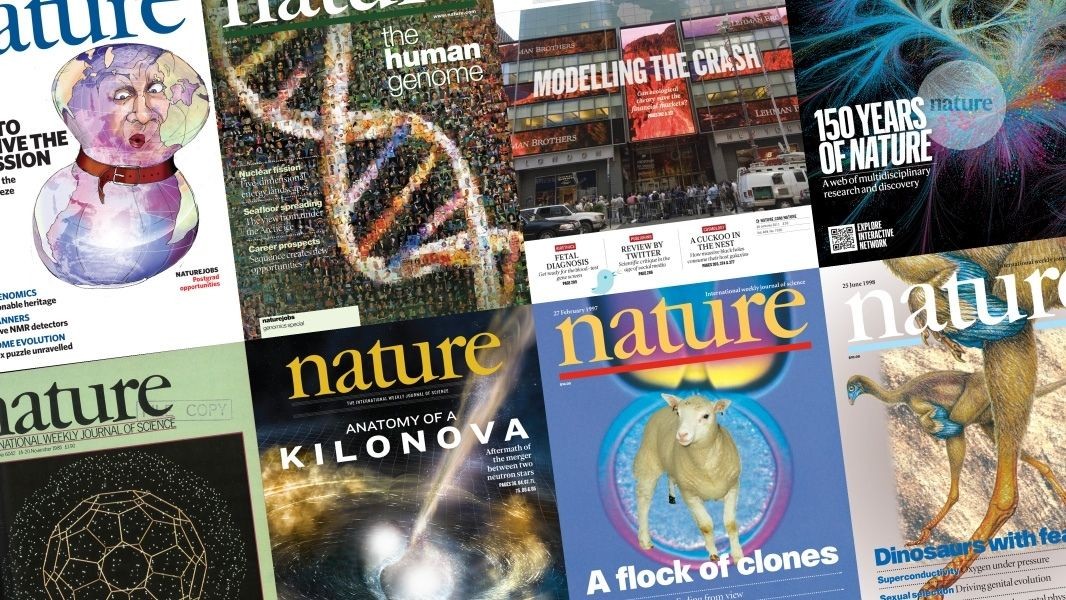
The journal’s early identity was built on being “a weekly illustrated journal of science.” While photographs were present from the beginning, accompanying essays on topics like solar eclipses, the use of the word “illustrated” eventually disappeared from the masthead. For a century, full-page cover images were absent, only to reemerge as powerful statements representing landmark studies and global events, such as the 2008 financial crisis.
Modern *Nature* covers are carefully curated blends of art, science, beauty, and novelty. They aim to tell a story about the research—often hinting at its significance rather than explaining it entirely—ensuring the representation is accurate and engaging without being misleading.
### The Evolution of Techniques
Early covers relied heavily on black-and-white photographs, with images physically cut and pasted for printing preparation. The digital revolution changed everything. With the advent of digital photography and design software in the 1990s, cover design underwent a transformation.
Some of the most iconic covers emerged from this shift. Dolly the sheep, the first mammal cloned from an adult somatic cell, graced not only *Nature*’s pages but also headlines worldwide. The first draft human genome sequence was visualized with a striking mosaic of images representing people from around the globe, while discoveries like feathered dinosaurs in China and colliding neutron stars captured in γ-ray bursts found vivid illustration.
### The Art of Data
In 2011, *Nature* appointed its first creative director, forging stronger partnerships between scientific illustrators, journalists, and data scientists. This collaboration reached a pinnacle with the journal’s 150th anniversary issue. Created with researchers from IBM and Northeastern University, the cover visualized 88,000 papers published since 1900, using citation networks where papers were linked if they were co-cited by another publication. The project included animations, videos, and a visually stunning illustration of the interconnected academic landscape.
### The Human Touch in the AI Era
As artificial intelligence begins to influence creative fields, *Nature* stands firm in its commitment to human-driven illustration. A recent Technology Feature highlighted the stance of five scientific illustrators who advocate for human creativity as the heart of the design process. While AI tools offer new possibilities, the journal emphasizes that the artistry, nuance, and ethical considerations of human illustrators remain irreplaceable.
Despite changes in technology and design, *Nature*’s covers continue to serve as vital bridges between complex scientific research and the public. They are not merely decorations but essential storytelling tools that complement the journal’s written content.
—
### FAQ
**Q: Why are *Nature* covers important?**
A: *Nature* covers visually represent groundbreaking research, making complex science accessible and engaging. They act as a bridge between the scientific community and the public, conveying the significance and beauty of discoveries at a glance.
**Q: How have *Nature* covers evolved over time?**
A: The covers have transformed from black-and-white photographs and manual cut-and-paste techniques in the pre-digital era to vibrant digital designs and data visualizations. The introduction of creative directors and collaborations with data scientists has elevated them into sophisticated storytelling art forms.
**Q: Is AI used in creating *Nature* covers?**
A: While AI tools are available, *Nature* maintains that human creativity is essential. Scientific illustrators provide the nuance, ethics, and artistic touch that AI cannot replicate, ensuring the covers accurately and responsibly represent scientific work.
**Q: What makes a *Nature* cover effective?**
A: Effective covers blend art, science, and creativity to tell a story about the research. They should be visually striking, accurate in their representation, and capable of capturing the reader’s imagination without misleading them.
—
### Conclusion
*Nature*’s covers are more than mere illustrations; they are a celebration of science and art coming together. From the journal’s early days as an “illustrated” publication to its current status as a platform for innovative visual storytelling, each cover reflects the evolving relationship between research and design. As technology advances, the commitment to human creativity remains steadfast, ensuring that *Nature*’s visuals continue to inspire, educate, and captivate audiences worldwide. Through every era, one thing remains clear: a well-crafted image can make science resonate far beyond the pages of a journal.
