



**Demystifying Spatial Audio: A Comprehensive Guide to 3D Sound**
*Follow ZDNET: Add us as a preferred source on Google.*
*Image credit: Jada Jones/ZDNET*
Spatial audio is no longer a niche feature found only in premium movie theaters; it has exploded into the mainstream, becoming a key selling point for flagship headphones, soundbars, and music streaming services. You’ve likely seen it advertised alongside terms like “Dolby Atmos” or “immersive audio.”
But what does it all mean? Is spatial audio the same as Dolby Atmos? And more importantly, can that expensive pair of headphones truly deliver a 3D audio experience?
To cut through the marketing noise, we’ve broken down everything you need to know about spatial audio, from how it works to how you can experience it for yourself.
—
### What is Spatial Audio?
The terms **spatial audio**, **immersive audio**, and **Dolby Atmos** are often used interchangeably, but they refer to different components of a 3D soundscape.
* **Immersive Audio:** This refers to the user experience—the goal of hearing sounds from all directions: above, behind, to the left, and to the right. To achieve this, the content itself must be mixed in a three-dimensional format, or the hardware must be capable of sophisticated spatial audio processing.
* **Spatial Audio:** This term refers to the rendering technology, usually found in headphones and earbuds. It takes a standard stereo or immersive audio file and uses algorithms to render it into a 3D soundscape. It often utilizes head-tracking technology, using sensors like accelerometers and gyroscopes to detect the movement of your head. This ensures that the audio stays locked in place relative to your ears as you move your head, creating a truly enveloping experience.
* **Dolby Atmos & DTS:X:** These are the most popular **immersive audio formats**. Unlike traditional stereo or 5.1 surround sound, which is limited to specific speaker angles, object-based formats like Dolby Atmos treat sounds as individual objects that can be placed and moved anywhere in a 360-degree field, including overhead.
When you see headphones advertised as “Dolby Atmos with Dynamic Head Tracking,” it means the device uses Apple’s proprietary spatial audio rendering technology (Dynamic Head Tracking) to move the Dolby Atmos soundscape with your head.
While “spatial audio” is the broad term, if you’re looking for the best immersive experience, you should look for hardware that supports Dolby Atmos or DTS:X.
—
### Do My Headphones Have Dolby Atmos?
Technically, yes. Most headphones can reproduce Dolby Atmos when streaming from platforms like Apple Music or Disney+, because the encoding happens on your source device (like your iPhone or Mac).
However, simply having the file is not enough for the best experience. To get the full benefit—the moving sound that follows you as you turn your head—you need headphones with dedicated **spatial audio head-tracking technology**.
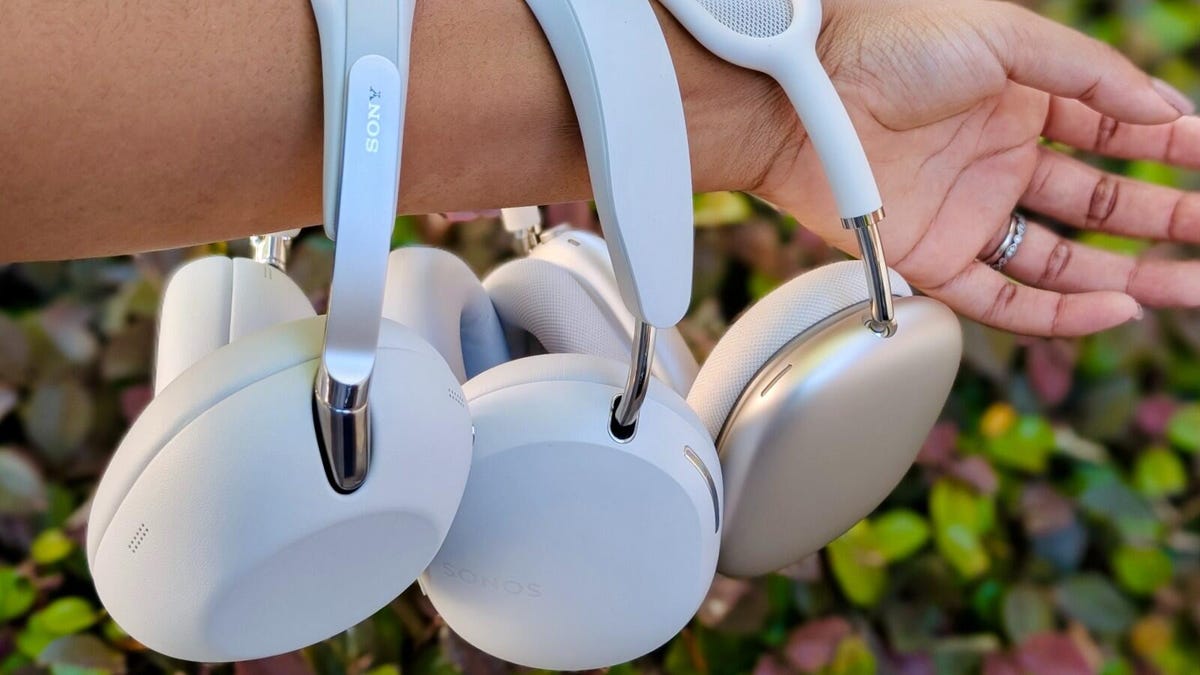
Headphones specifically optimized for Dolby Atmos, such as Apple’s AirPods (Pro and Max), the Sonos Ace, and Sennheiser’s Momentum 5 series, are designed to work seamlessly with these formats and offer proprietary spatial audio rendering for the most accurate head-tracking experience.
—
### What’s the Best Way to Listen in Spatial Audio?
For the ultimate immersive experience, multiple speakers are still king. A dedicated home theater setup, ideally with a capable soundbar and rear speakers equipped with upfiring drivers for height effects, provides the best localization and soundstage. The physical separation of sound from multiple sources, combined with room calibration technologies, creates a rich and accurate auditory environment.
That said, we live in a world of headphones and earbuds. While immersive audio in headphones is limited to two speakers very close to your ears, high-end headphones use advanced spatial audio rendering to create a surprisingly convincing 3D effect.
Not all headphones are created equal in this regard. Based on testing, headphones optimized for Dolby Atmos deliver the most reliable and engaging spatial audio head-tracking experience. On the other hand, premium headphones that rely solely on proprietary upmixing and spatial audio rendering (like the previous generation Sony WH-1000XM6 or Bose QuietComfort Ultra) can sometimes deliver an overly digitized or unreliable soundscape.
—
### Can You Have Dolby Atmos Without Spatial Audio?
Yes, you can. It’s entirely possible to listen to Dolby Atmos content without the spatial audio rendering (often called “head tracking”).
You can listen to Dolby Atmos on Apple Music directly through your headphones without enabling spatial audio. In this scenario, because your source device is doing all the encoding, you will hear the immersive, multi-directional sound. However, the audio won’t “move” with your head. Your headphones will simply play a wider, more immersive soundstage.
Many manufacturers, including Apple, JBL, Bose, Sony, and Sennheiser, allow you to enable spatial audio on any media, though the results can vary. Some content may sound better in standard stereo, but it ultimately comes down to personal preference.
Conversely, you can enable Spatial Audio (or “Always On” Dolby Atmos) on your source device. This will ensure you hear the immersive mix, but without the dynamic head-tracking, the sound will remain static relative to the room, not your head.
—
### How Does Spatial Audio Head Tracking Work?
Inside your headphones are tiny but powerful sensors: accelerometers and gyroscopes. These sensors constantly monitor the position and movement of your head in space.
This data is then used by the headphones’ processing unit to adjust the audio output in real-time. As you turn your head to the left, the soundscape shifts accordingly, maintaining its position in your virtual audio environment. This technology is why you can watch a movie or listen to a mixdown and feel like you’re in the center of the action.
This feature is common in upper-midrange and premium headphones, though every brand has its own trademark name for it:
* **Apple:** Spatial Audio
* **Bose:** Immersive Audio
* **Sony:** Spatial Sound with Head Tracking
* **JBL:** Spatial Sound
—
### FAQ
**Q: What is the difference between Spatial Audio and Dolby Atmos?**
**A:** Dolby Atmos is an **immersive audio format** that mixes sound as individual objects placed in a 3D space. Spatial Audio is the **technology** (often involving head-tracking) used by headphones to render that format (or any immersive format) into a 3D soundscape that moves with your head. You can listen to Dolby Atmos without spatial audio rendering, but you won’t get the dynamic head-tracking effect.
**Q: Do cheaper headphones have spatial audio?**
**A:** Many modern headphones, even budget-friendly ones, include some form of software-based spatial audio. However, these are often basic upmixes that don’t include head-tracking. For a true, dynamic spatial audio experience, you generally need a mid-range or premium headset with the necessary sensors and processing power.
**Q: Is spatial audio bad for my ears?**
**A:** No, spatial audio itself is not harmful. It’s simply a processing technique that creates the illusion of sound coming from different directions. As with any audio, the potential for hearing damage depends on the volume level and duration of listening.
**Q: Do I need a special music subscription for spatial audio?**
**A:** To get the best spatial audio experience, a subscription to a high-fidelity service is recommended. Apple Music and Tidal Masters both offer Dolby Atmos content. While you might find some spatial audio on other platforms, these two services are the current leaders in providing object-based, immersive music.
—
### Conclusion
Spatial audio has successfully transitioned from a futuristic concept to a standard feature in our everyday audio devices. Whether you’re using a soundbar for movie night or a pair of premium headphones on your commute, the technology is designed to pull you into the center of the sound.
Understanding the difference between the immersive audio format (like Dolby Atmos) and the rendering technology (spatial audio with head-tracking) is the key to unlocking the best experience. While multi-speaker setups remain the gold standard for home entertainment, today’s advanced headphones are more than capable of delivering a convincing and engaging 3D audio experience, making our favorite music, movies, and games more immersive than ever before.
