



**The Future of Blood Pressure Monitoring: Wearable Tech Takes the Lead**
High blood pressure, or hypertension, affects an estimated 1.3 billion people worldwide, according to the World Heart Federation, and it’s the number one risk factor for death on a global scale. The American Heart Association estimates that half of adults in the US have high blood pressure, with a large proportion not even knowing they have the condition. There are effective means to treat high blood pressure, but it’s not always easy to detect and monitor.
For many, including myself, traditional monitoring methods like arm cuffs can be inconvenient for regular use throughout the day. This is where wearable technology comes in, offering a promising solution for continuous blood pressure tracking. I have been testing several popular options over the past month to see how they stack up against a standard Garmin Index BP Monitor, which served as the benchmark for accuracy.
From smartwatches with integrated inflatable wristbands to devices using proprietary algorithms, the landscape of blood pressure wearables is evolving rapidly. My testing involved taking measurements in the morning, mid-day, and evening to capture a range of data points. The goal was to compare not just accuracy, but also consistency and ease of use.
Among the devices tested were smartwatches from YHE, Samsung, and Amazfit. YHE’s BP Doctor Fit, for example, uses an inflatable airbag that mimics a traditional blood pressure cuff, while Samsung and Amazfit utilize algorithms often in conjunction with a calibration cuff. The results were both surprising and insightful, highlighting the strengths and weaknesses of each technology.
**Also: Best blood pressure watches: I tested the top models that actually work**
**Blood Pressure Monitoring Process**
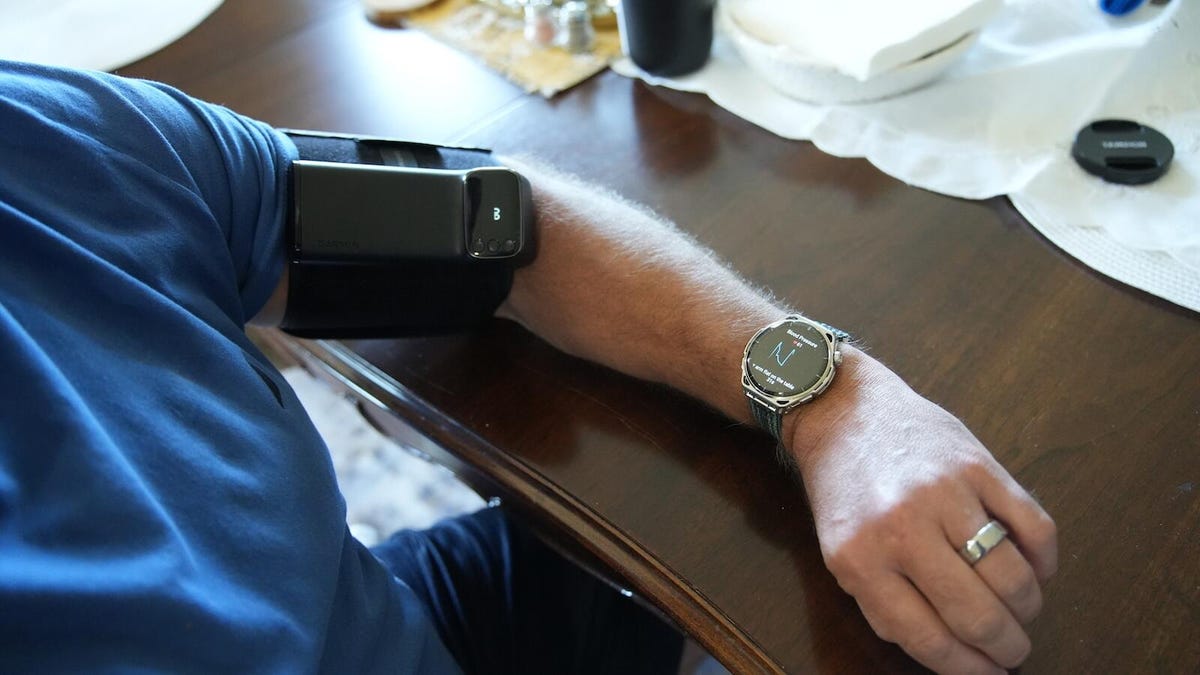
To ensure consistency, each reading was taken after a period of relaxation. The Garmin Index BP Monitor was used first, followed by the wearable devices, all worn on the same wrist. This method helped to minimize variables and provide a more accurate comparison.
**Measurement Processes**
The YHE BP Doctor Fit required the user to press a button and then tap to start the measurement, after which an airbag would inflate around the wrist. This process was straightforward but sometimes resulted in inconsistent readings. On the other hand, devices like the Samsung Galaxy Watch and Amazfit smartwatches offered a more seamless experience, with quick and easy monitoring through dedicated apps.
**The Results**
The BP Doctor Fit often showed systolic readings that were 15 mmHg higher than the Garmin monitor, though its diastolic readings were closer. The Samsung Galaxy Watch Ultra, while widely used, showed systolic readings that were 12 to 14 mmHg higher and diastolic readings 10 mmHg lower. In contrast, Amazfit devices demonstrated remarkable accuracy, with readings consistently within 2 to 4 mmHg of the Garmin monitor.
**Writer’s Verdict**
Given the importance of accurate blood pressure monitoring, especially for those on medication or making lifestyle changes, the Amazfit devices stood out for their reliability. With their competitive pricing and innovative features, they offer a compelling option for those looking to keep a close eye on their blood pressure.
**FAQ**
**Q: What is white coat syndrome?**
A: White coat syndrome refers to the phenomenon where a person’s blood pressure spikes in a clinical setting, such as a doctor’s office, due to anxiety or stress. This can lead to inaccurate readings if not monitored in a more relaxed environment.
**Q: Why is it important to monitor blood pressure at home?**
A: Monitoring blood pressure at home can provide a more accurate picture of a person’s overall health, especially for those with white coat syndrome. It allows for continuous tracking and helps in managing hypertension effectively.
**Q: Which wearable devices offer the most accurate blood pressure readings?**
A: Based on testing, Amazfit smartwatches showed the most accurate readings, consistently within 2 to 4 mmHg of standard measurements. Samsung and YHE devices also offer viable options but may require calibration.
**Conclusion**
The integration of blood pressure monitoring into wearable technology represents a significant step forward in personal health management. Devices like the Amazfit smartwatches not only provide accurate readings but also offer additional features that enhance their appeal. As technology continues to advance, the hope is that more people will have access to reliable, real-time health data, empowering them to take control of their well-being.
