



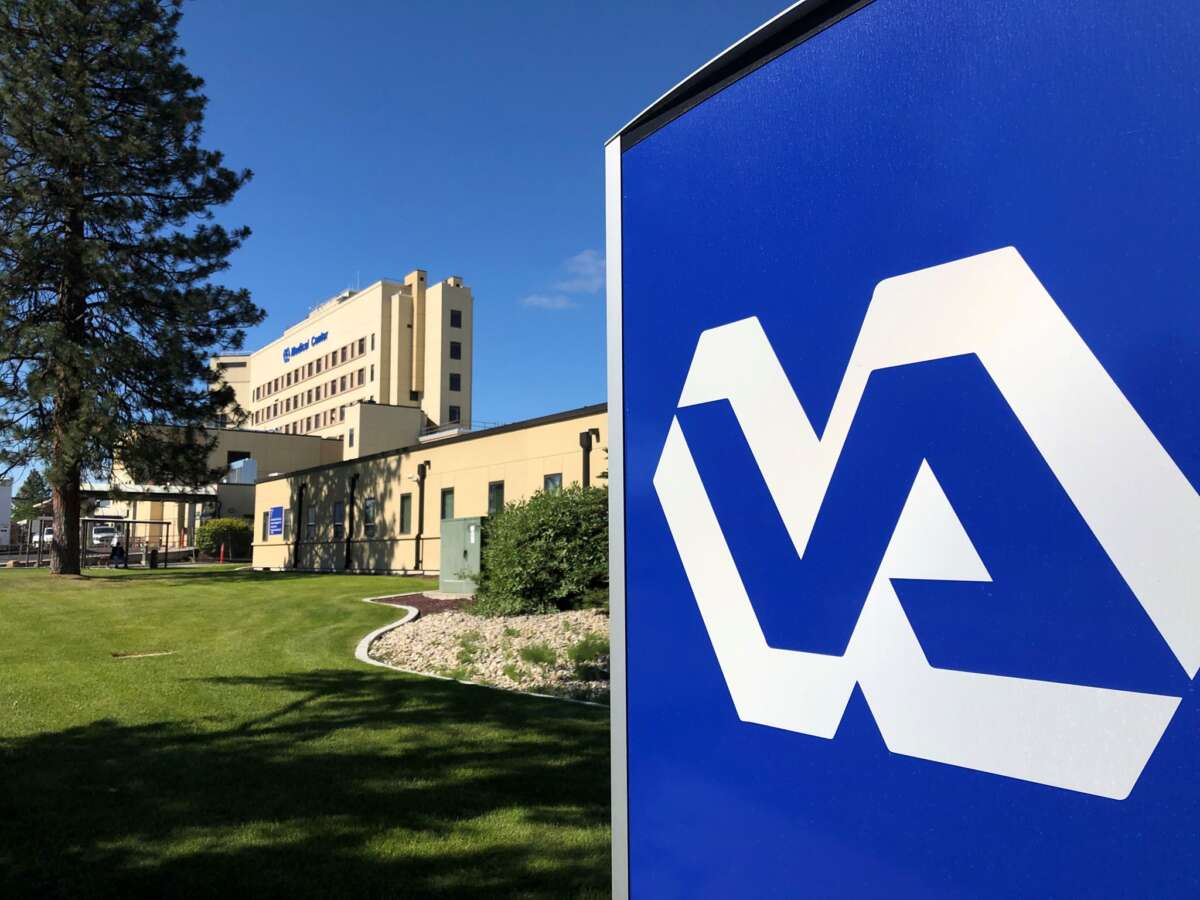
The Department of Veterans Affairs is pressing forward with the launch of its new multibillion-dollar Electronic Health Record system at healthcare facilities nationwide, following a three-year hold on new deployments.
Over the weekend, VA activated the updated EHR at four additional locations in Ohio and Kentucky — the Cincinnati VA Medical Center, Chillicothe VA Medical Center, Dayton VA Medical Center, and the Cincinnati VA Medical Center-Fort Thomas campus.
This rollout represents the second round of EHR launches during the current Trump administration. According to a VA press release, the latest activations brought roughly 7,200 VA employees and 107,000 veterans onto the new system.
In April, VA went live with the new EHR at four medical facilities across Michigan, effectively concluding a “reset” period that started in April 2023 to tackle recurring outages and usability issues that VA clinicians using the system had been reporting.
The VA plans to bring the Oracle-Cerner EHR online at three Indiana sites in August. Come October, the system will go live at VA medical centers in Cleveland, Ohio, and Anchorage, Alaska.
Leading Democratic senators on several committees recently commended VA for restarting the EHR rollout. However, Senate Appropriations Committee Vice Chair Patty Murray (D-Washington) urged VA to resolve lingering problems at previously launched sites, including those in Spokane and Walla Walla, Washington.
Neil Evans, acting program executive director of VA’s Electronic Health Record Modernization Integration Office, noted last month that the platform currently supports 22,000 VA clinicians and 400,000 veterans. His comments followed the Michigan go-lives but preceded the Ohio and Kentucky activations.
Speaking at a May 5 event discussing the state of federal EHR systems, Evans emphasized that the agency has “remained committed to making improvements based on input from our end users.”
“This isn’t a technology package we simply install and walk away from. It’s something we need to continuously refine over time,” he said.
VA Secretary Doug Collins informed lawmakers during a recent hearing that excessive local customization during earlier rollouts had been a major stumbling block. He said the department has since established a standardized approach to deploying the EHR.
Representatives of VA employee organizations told Senate VA Committee Democrats that the EHR continues to face certain issues. However, a VA spokesperson contended that many of those claims are unfounded.
VA Press Secretary Quinn Slaven stated that the department has rolled out close to 1,500 improvements, bug fixes, and new features under the current Trump administration. He added that the platform has experienced no system-wide outages in 10 of the last 12 months and has maintained 96.68% uptime over the past 18 months, surpassing contractual obligations.
Jacob Pannell, a business representative with the National Federation of Federal Employees, said VA medical facilities in Maryland that still rely on the department’s older EHR system cannot fully access his medical records from his time as both a patient and provider at Washington State facilities using the new system.
Julie McLendon, legislative committee co-chair of the Nurses Organization of Veterans Affairs, said sites that have transitioned to the Oracle-Cerner EHR are encountering difficulties with transferring inter-facility consults, referrals, and orders.
VA’s new EHR is now operational at 14 locations. Once fully deployed, it will reach 170 sites. The department currently anticipates wrapping up the rollout by as early as 2031. The Defense Department finished migrating to the same EHR platform back in March 2024.
The department says the new system will enable smooth transfers of military health records between DoD and VA, as well as integrate veterans’ health data from private-sector healthcare providers.
Under both the Biden and previous Trump administrations, government watchdogs highlighted multiple concerns with the system. Among them, the EHR sometimes failed to properly relay prescription orders to VA pharmacy operations, as well as critical alerts in veterans’ files flagging elevated suicide risk.
VA’s inspector general reported in September 2024 that the new EHR had experienced more than 800 significant performance incidents since launch. Over half of those occurred after the 2023 deployment pause was put in place.
A March 2025 Government Accountability Office study found that just 13% of VA staff using the Oracle-Cerner system felt it made VA as efficient as it could be, while 58% believed the new platform added to patient safety risks.
The Trump administration is seeking $4.2 billion in discretionary funding for the ongoing EHR rollout in its fiscal 2027 budget proposal — roughly $800 million more than current levels.
Last week, the Senate VA Committee held a confirmation hearing for Gary Shatswell — President Trump’s third nominee for VA chief information officer and associate secretary for IT — and Michael Tierney, Trump’s pick to head VA’s Office of Accountability and Whistleblower Protection.
Although neither would be directly involved in the EHR rollout, committee Chairman Jerry Moran (R-Kansas) told them that “there are significant responsibilities tied to your roles.”
“That’s especially the case given the timing of the new Electronic Health Record rollout. It’s back underway after an extended pause,” Moran said.
Shatswell, if confirmed, pledged to help VA consolidate what he called an “unacceptable” patchwork of 14 separate scheduling systems.
“The core problem is that there isn’t one unified system — there are many, and they don’t communicate with each other. So there’s substantial work ahead to build those connections and ensure data flows seamlessly,” he said.
Tierney said the Trump administration’s push for a standardized nondisclosure agreement across all federal employees would not discourage whistleblowers from speaking up.
“I will state unequivocally that NDAs and whistleblower activity don’t intersect. Employees must feel completely confident they won’t face any barriers to reporting misconduct,” Tierney said.
If you’d like to reach this reporter for insight on recent federal government developments, please email jheckman@federalnewsnetwork.com, or connect via Signal at jheckman.29
Copyright
© 2026 Federal News Network. All rights reserved. This website is not intended for users located within the European Economic Area.
